Products
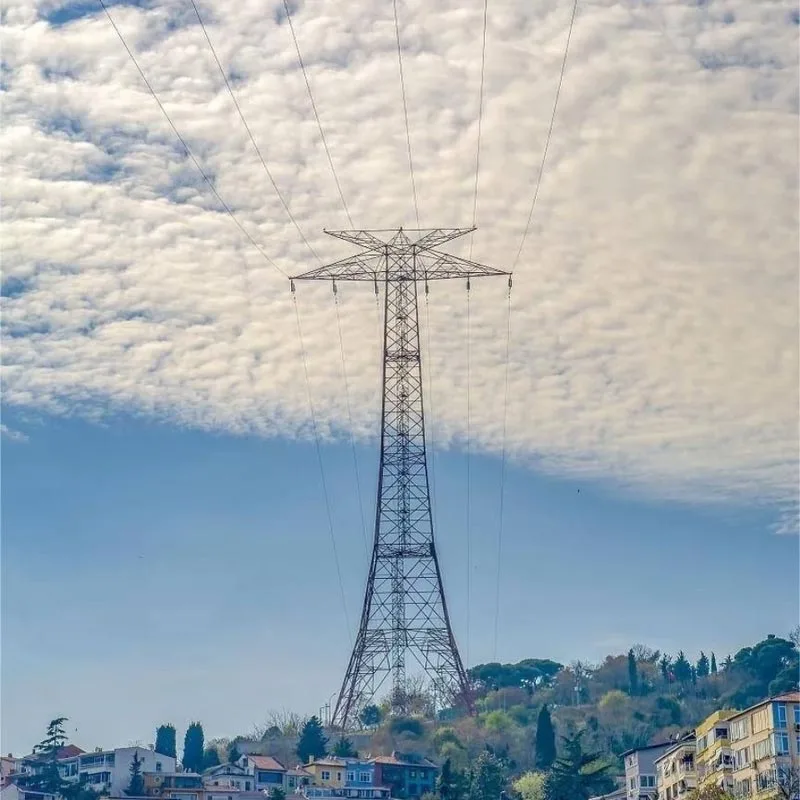
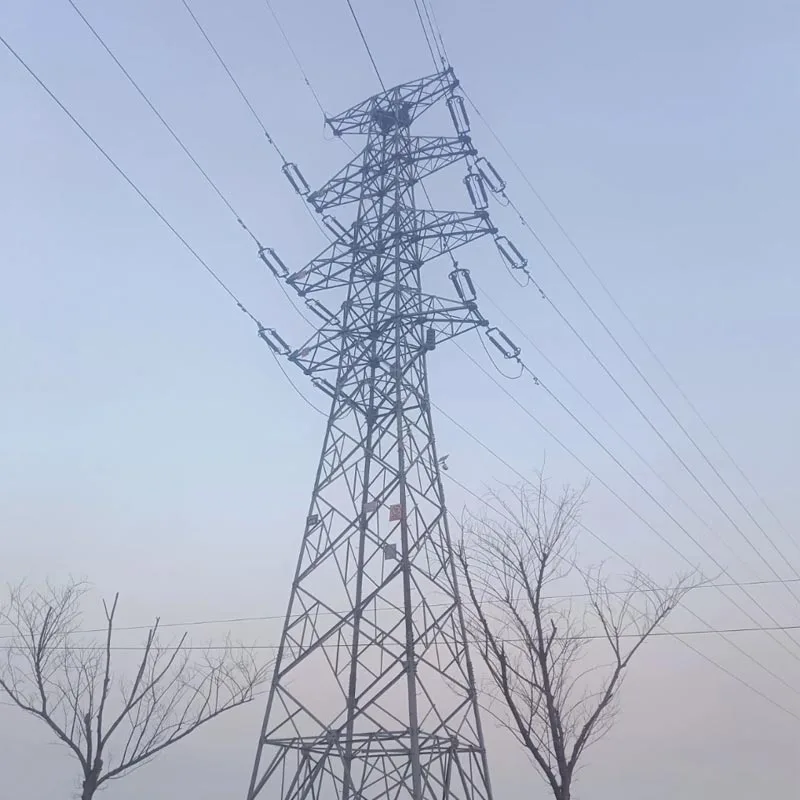
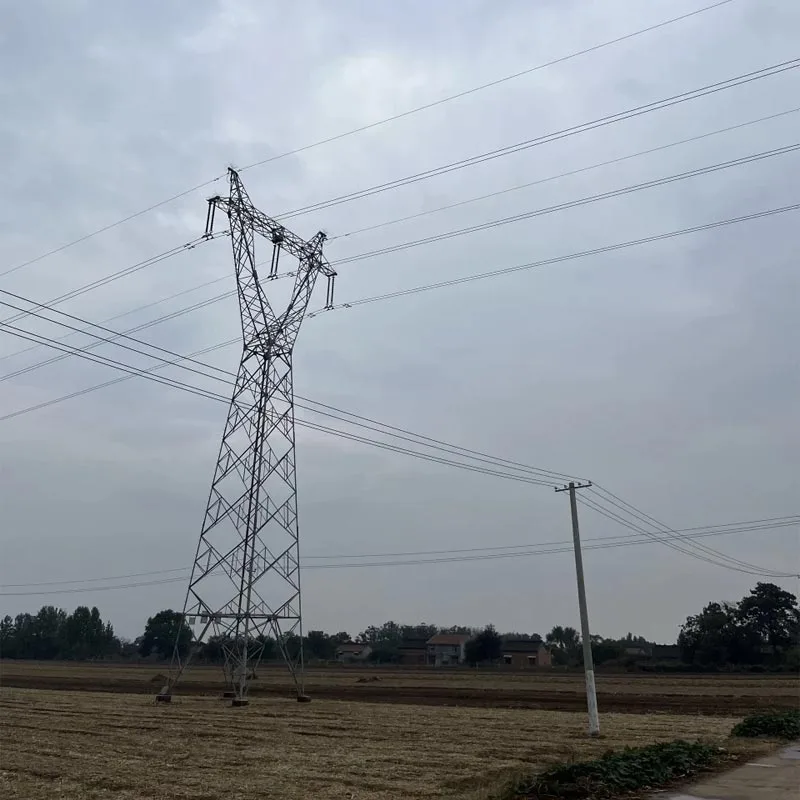
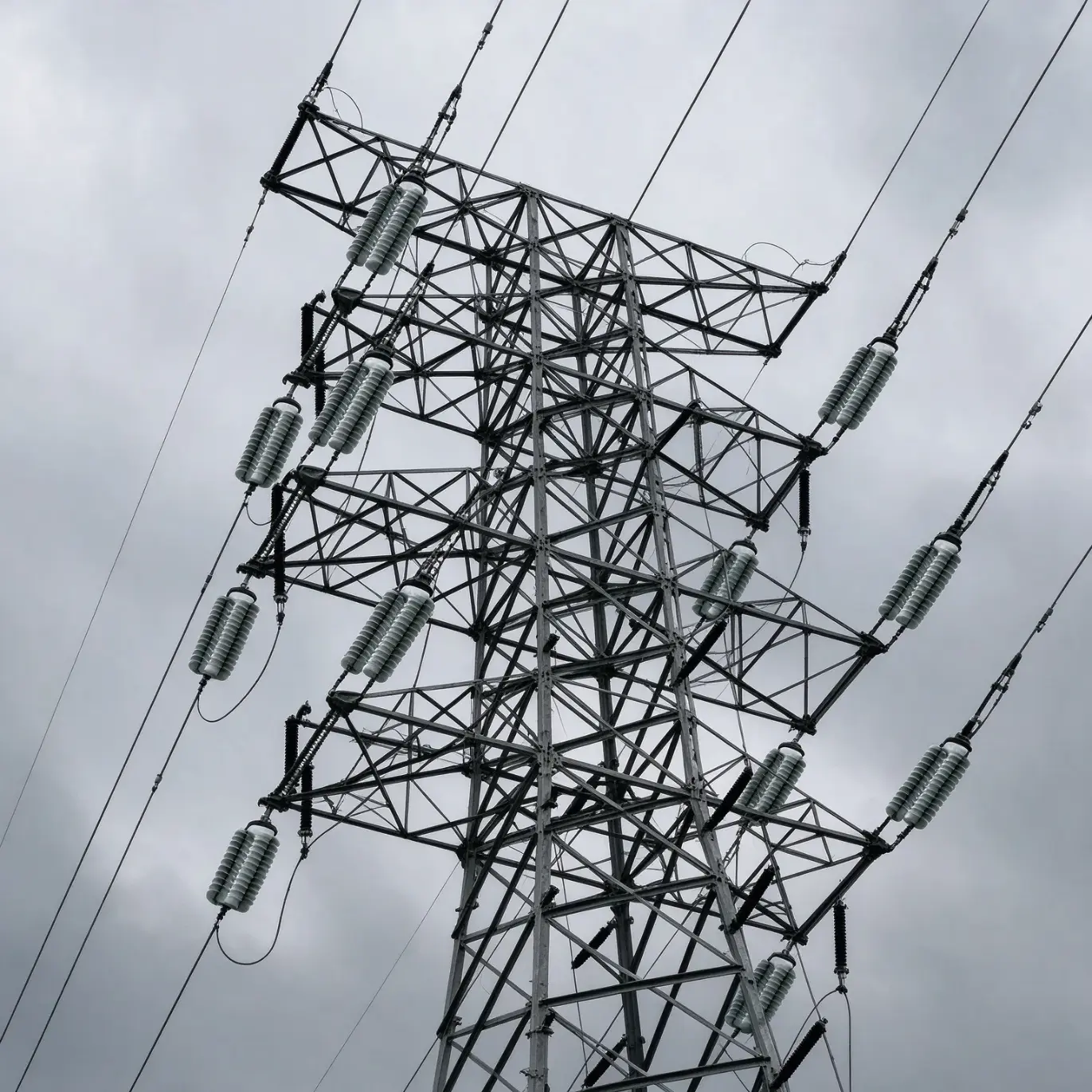
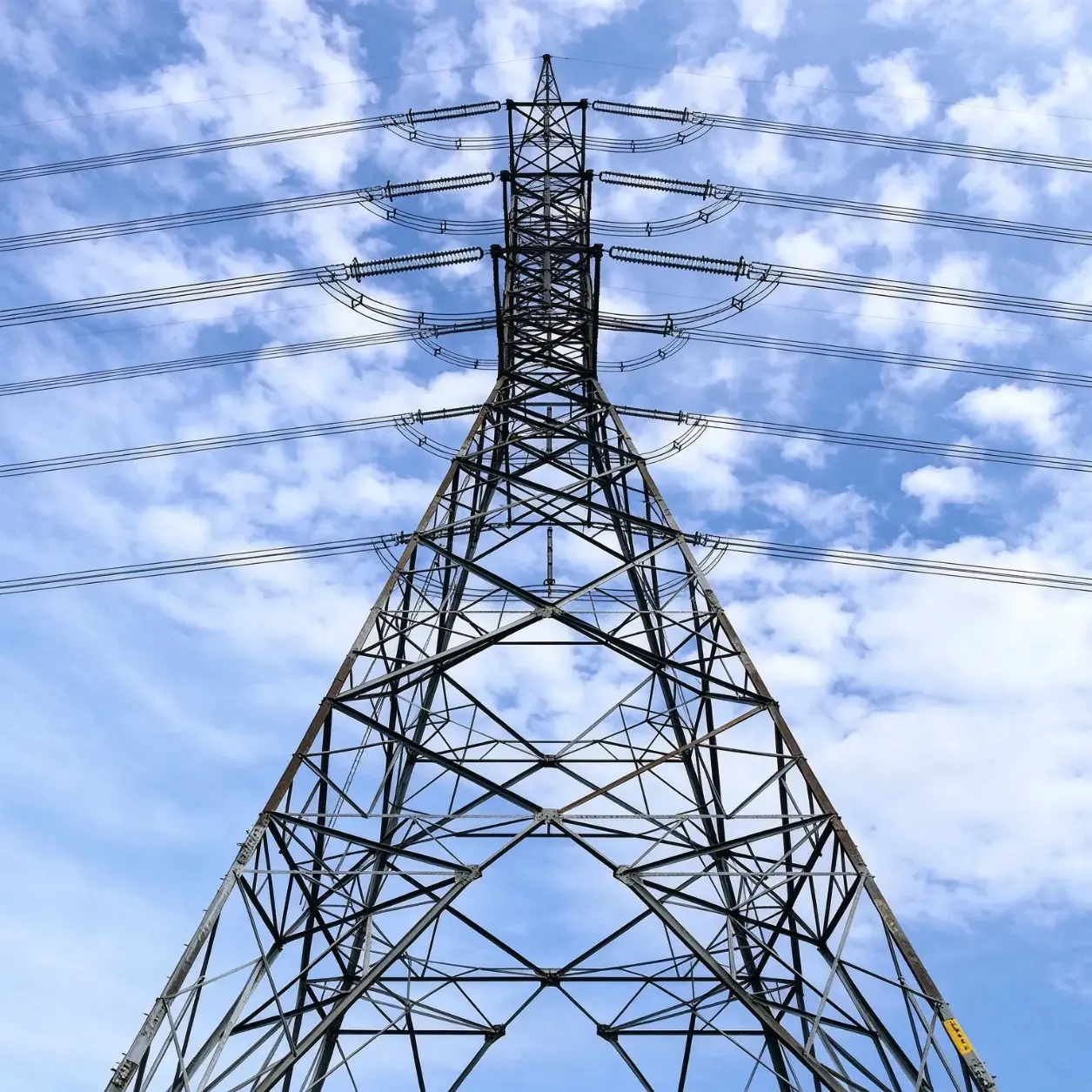
EHV Tension Tower
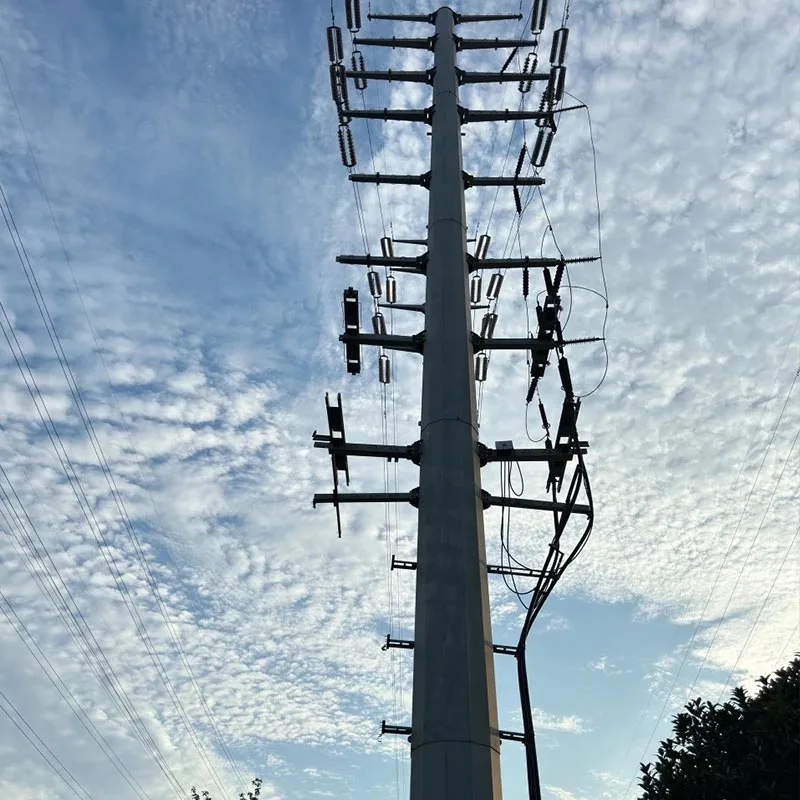
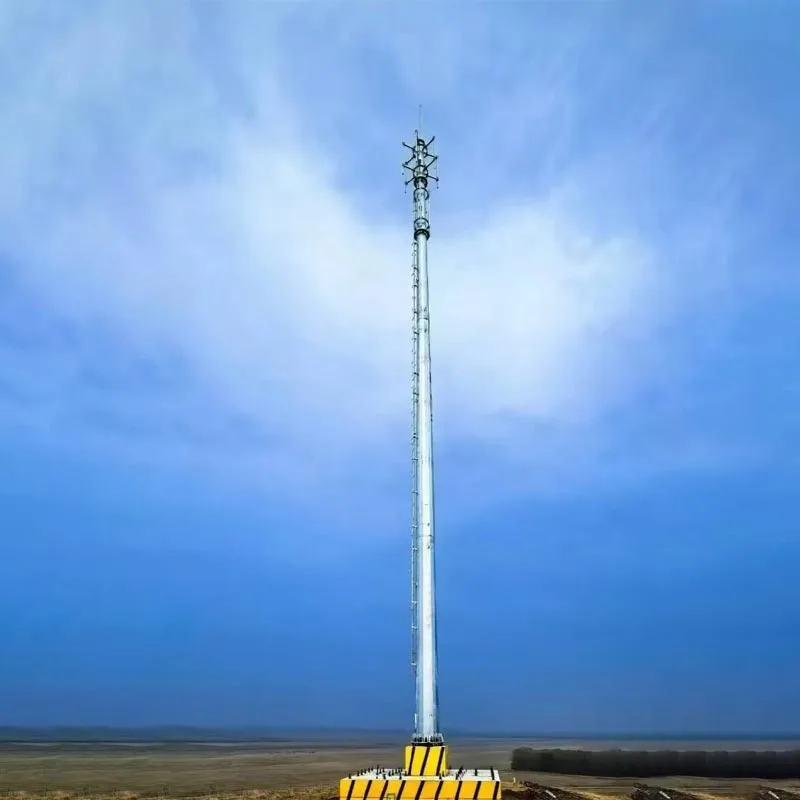
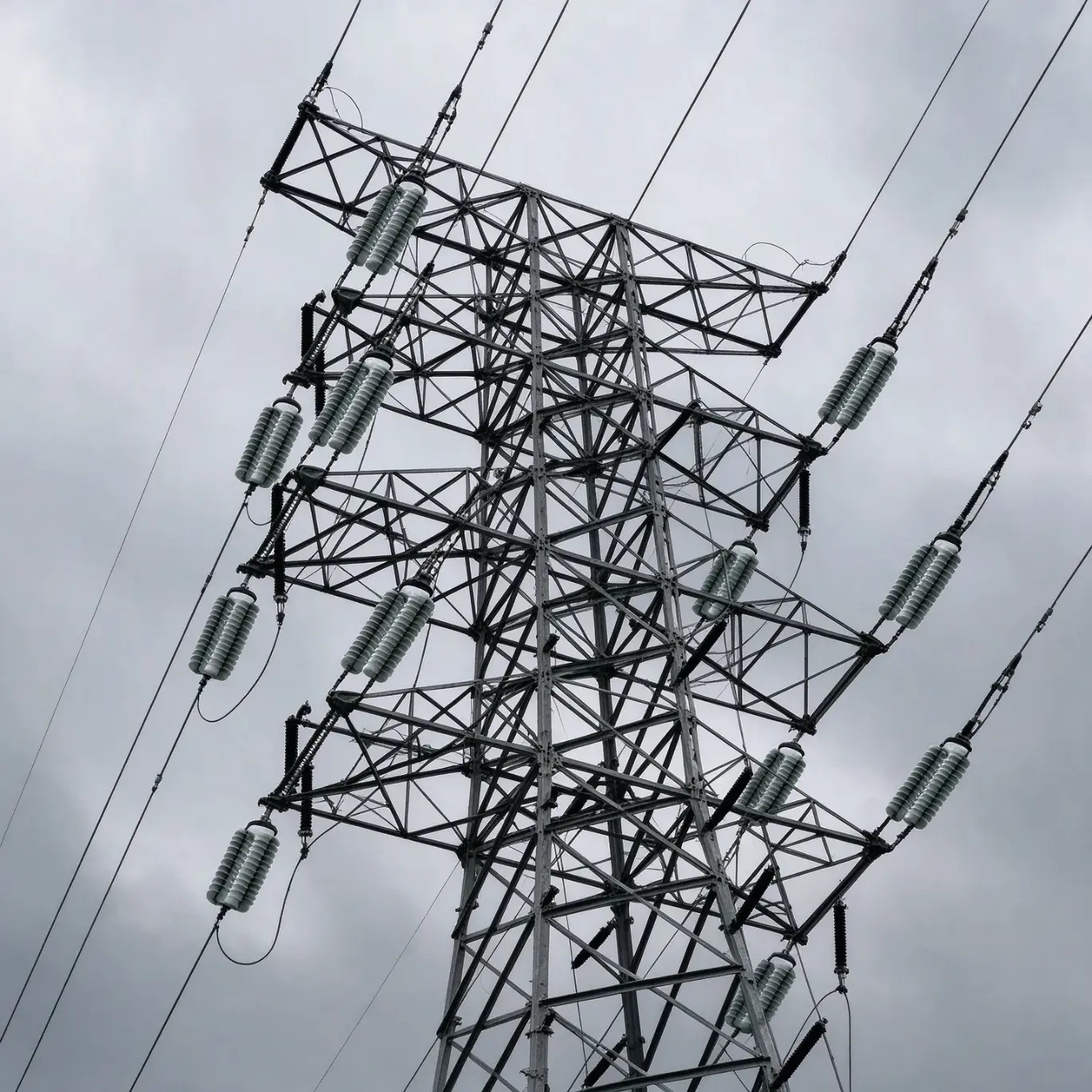
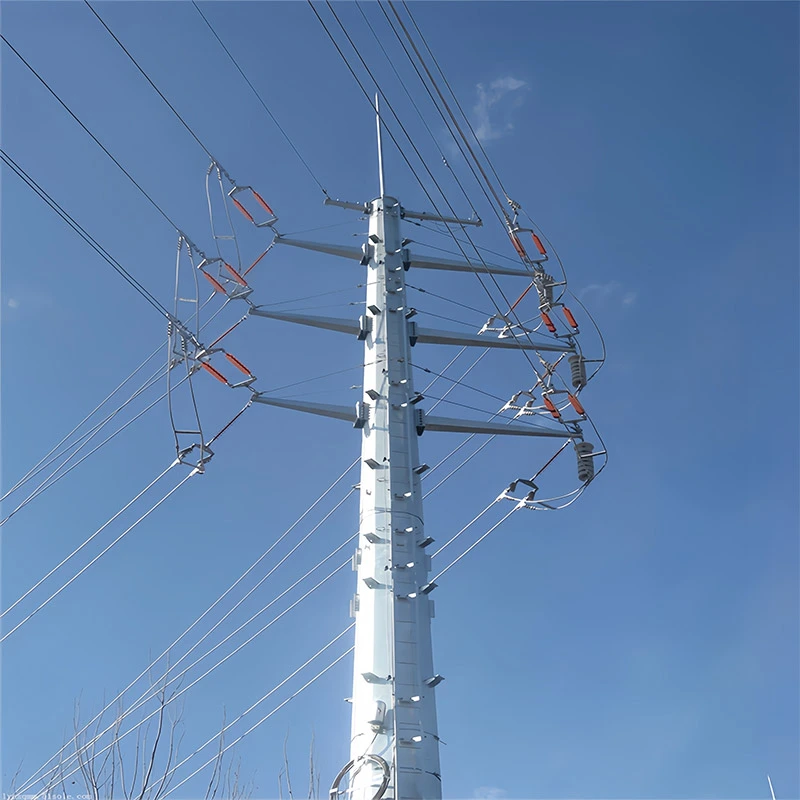
Anbang Tower is a China manufacturer and supplier of the EHV tension tower for 330, 500 and 750 kV corridors, quoting from your single-line diagram. Each unit carries the longitudinal pull of a one-sided conductor break down the leg into the footing without overloading the cross-arm joints. What follows covers load cases, head geometry, steel choice and galvanizing.
Anbang Tower supplies the EHV tension tower on a build-to-drawing basis, so the quotation from this factory tracks your tower schedule rather than a catalogue number. The first question a buyer puts to a supplier in China is whether the plant can hold hole positions and coating thickness across a 260 t order. We answer with numbers: 1:1 lofting from your drawings, a first-piece trial assembly before batch release, and a costed offer covering material, fabrication, coating and freight inside 24 hours. Deposit terms, shipping window, OEM marking and the loading plan are settled before the first plate is cut; nothing is left to the shipping week.
Where an Anchor Structure Sits in a 330-750 kV Line
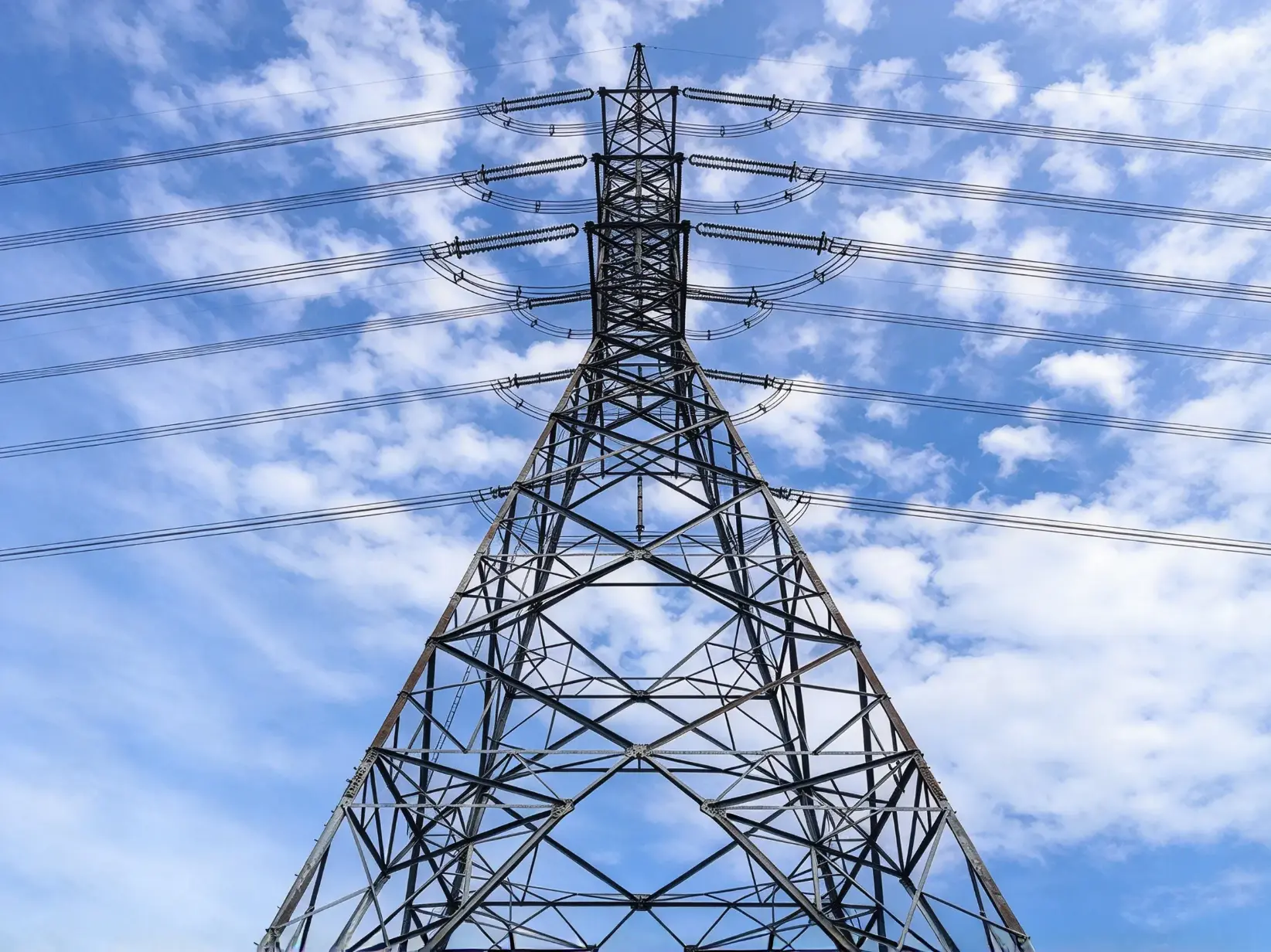
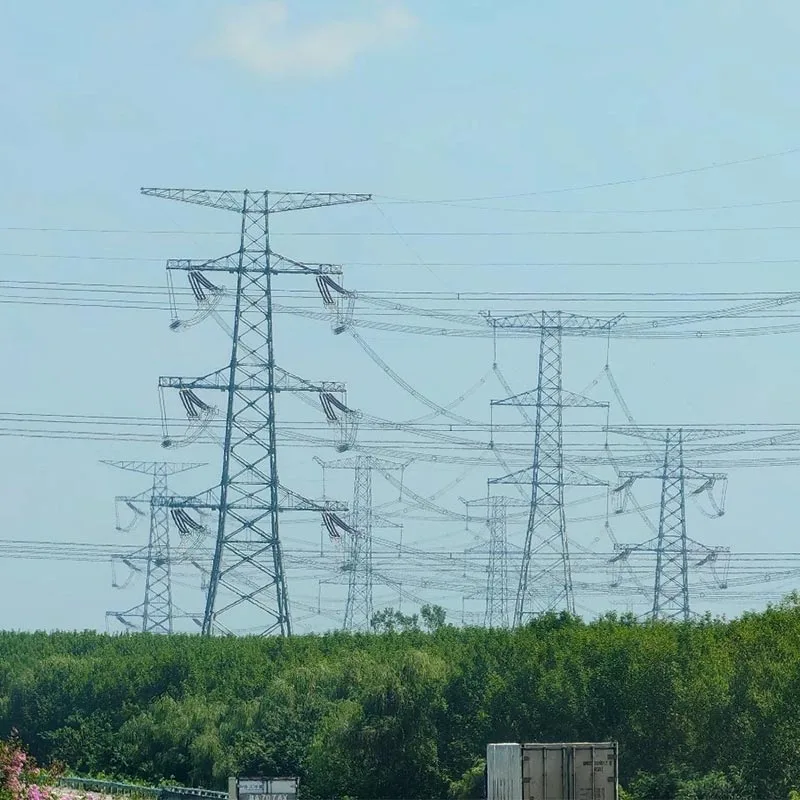
At 750 kV the design pull per phase can pass several hundred kilonewtons, and all of it goes down the leg into the footing. An anchor of this class sits where the line turns by more than 20 degrees, where a river or motorway crossing ends, and at every terminal bay. Between two anchors the suspension towers carry weight only, so a 12 km section with four anchors can be strung inside one block. That spacing is what route planning and the tower schedule have to agree on before a single member is sized.
Load Cases That Drive the Design
Longitudinal and transverse cases set member sizes before wind does, so the set in the table is checked against GB 50545 and GB 50011. A broken-conductor case releases one phase on one side at full tension while the others stay loaded, and the head sees that unbalance before the mast does. Ice is applied as a uniform coating on every conductor and on the ground wire, then the tower is re-checked with one leg unloaded. Wind is read at the 10-minute mean for the site rather than from a regional map, because a 5 m/s error at this voltage moves several tonnes of steel.
| Design input | Typical range | Fixed by |
| System voltage | 330 / 500 / 750 kV | Project specification |
| Design wind speed | 30-45 m/s | Meteorological study and GB 50545 |
| Ice coating | 5-20 mm | Route survey, GB 50545 |
| Seismic design | Grade 8 | GB 50011 |
| Line deviation angle | 0-30° | Route plan layout |
| Design temperature | -40 to +70 °C | Site climate records |
Broken-conductor case. One phase released at full tension on one side while the others stay loaded; the head feels it before the mast does.
Tower Head Geometry and Cross-Arm Arrangement
A 330 kV unit needs two or three arm levels in a drum or goblet outline; at 750 kV the same duty needs a wider head so phase-to-phase and phase-to-body gaps survive a 3.5 m string swinging 30 degrees. Arm length follows electrical clearance first and structural span second, which is why a 750 kV head can weigh twice what the body carries per metre. We set the arm-to-body angle between 15 and 25 degrees so the arm root lands in axial force instead of bending, and keep the two lower arms on one plane to simplify stringing.
Section Selection and Steel Grades
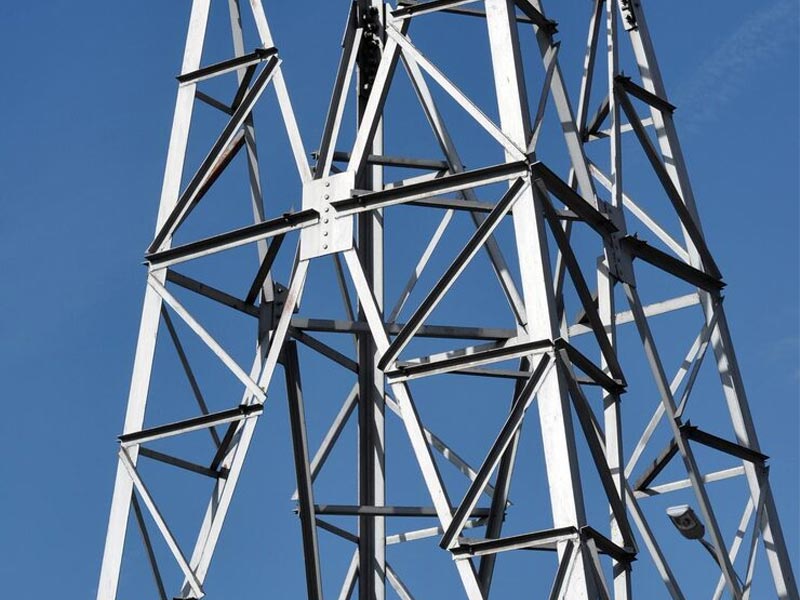
Legs and main diagonals of EHV tension tower at 750 kV land on Q355B or Q420B; secondary bracing stays on Q235B, sized on buckling length rather than on tension. Our rule is that the governing leg member stays under 70% of yield in the broken-conductor case, which keeps fatigue out of the bolted joints across a 50-year life. Where a 300 x 300 x 35 angle would be needed in Q355B, a Q420B section one size down does the same work and takes 8-12% out of the head weight. Bolts are Grade 8.8 or 10.9, galvanized, with torque values marked on the head so a site check needs no table.
| Member group | Steel grade | Protection |
| Legs and main diagonals | Q355B / Q420B | Hot-dip galvanized, ≥85 μm at t ≥ 6 mm (GB/T 13912) |
| Cross-arm main members | Q355B | Hot-dip galvanized |
| Secondary members and bracings | Q235B | Hot-dip galvanized |
| Bolts | Grade 8.8 / 10.9 | Galvanized, torque value marked on the head |
| Gusset plates | Q355B | Galvanized, cut edges dressed |
Dead-End, Jumper and Long-Span Assemblies
Jumper loops hang on a jumper string: too slack and the loop swings into the arm in wind, too tight and the connector carries standing tension. We set the jumper sag from the calculated swing envelope at design wind, then check the loop clears the arm by at least 300 mm at 40 degrees of swing. On a long span the dead-end assembly adds a yoke plate and a second string so load divides evenly through the hardware, and the arm tip gets a gusset that carries the eccentric pull into both chords. Crossings beyond 800 m are quoted with a separate longitudinal check, because the standard table stops short of them.
Galvanizing Specification for Long-Distance Corridors
Zinc is what keeps the EHV tension tower out of a maintenance backlog: 85 μm average on members 6 mm and thicker, 70 μm on thinner steel, per GB/T 13912. Coating mass is measured on a stripped sample from each batch rather than inferred from a gauge reading, and the report records the minimum as well as the average, because one thin patch decides where rust starts. Members are drained or centrifuged after dipping so zinc does not pool in the bolt holes, and every hole is reamed by hand before the piece leaves the line. On an industrial or coastal corridor the same coating is specified, but the site inspection interval drops from five years to three.
Fabrication Route from Plate to Galvanized Member
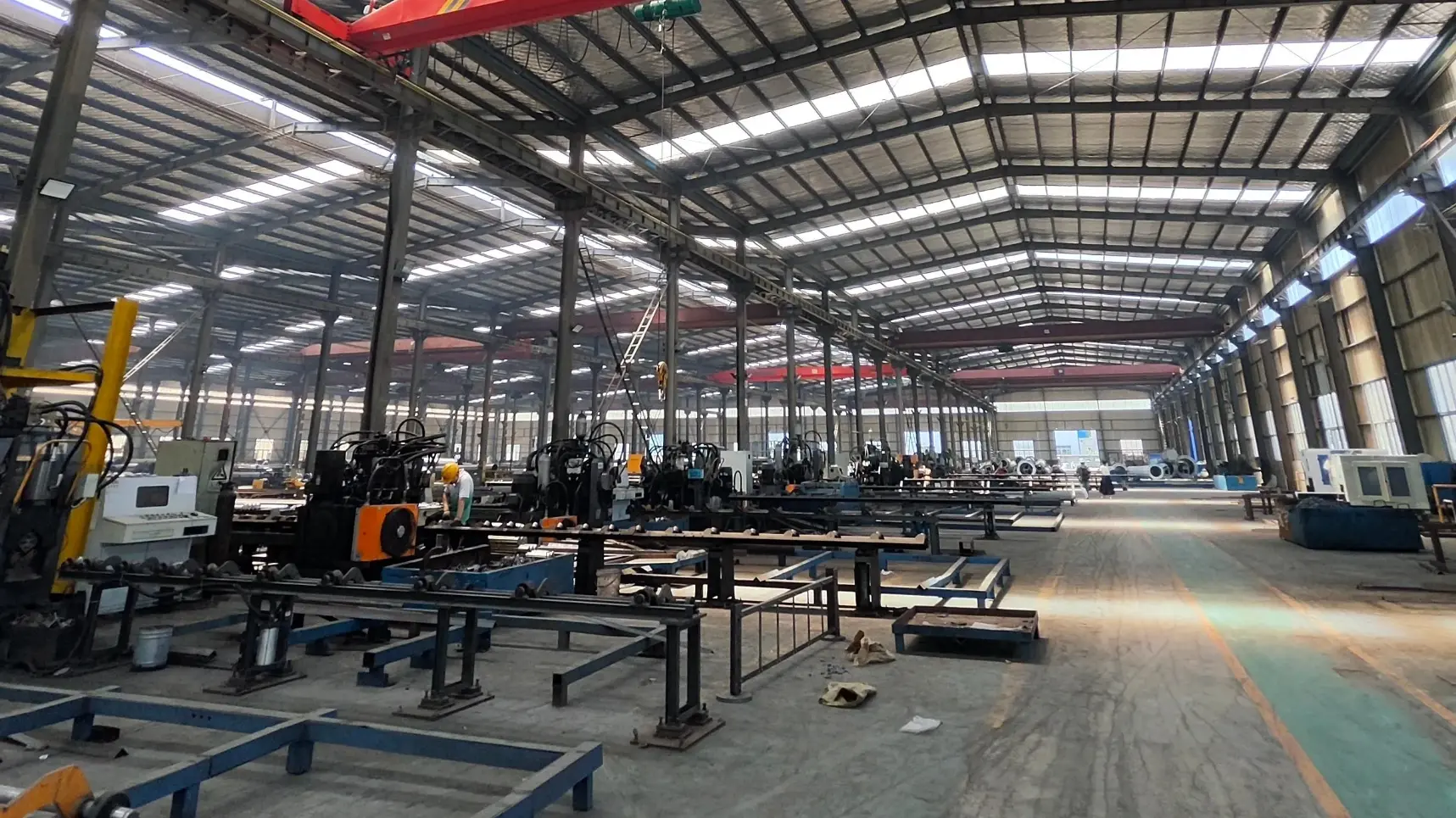
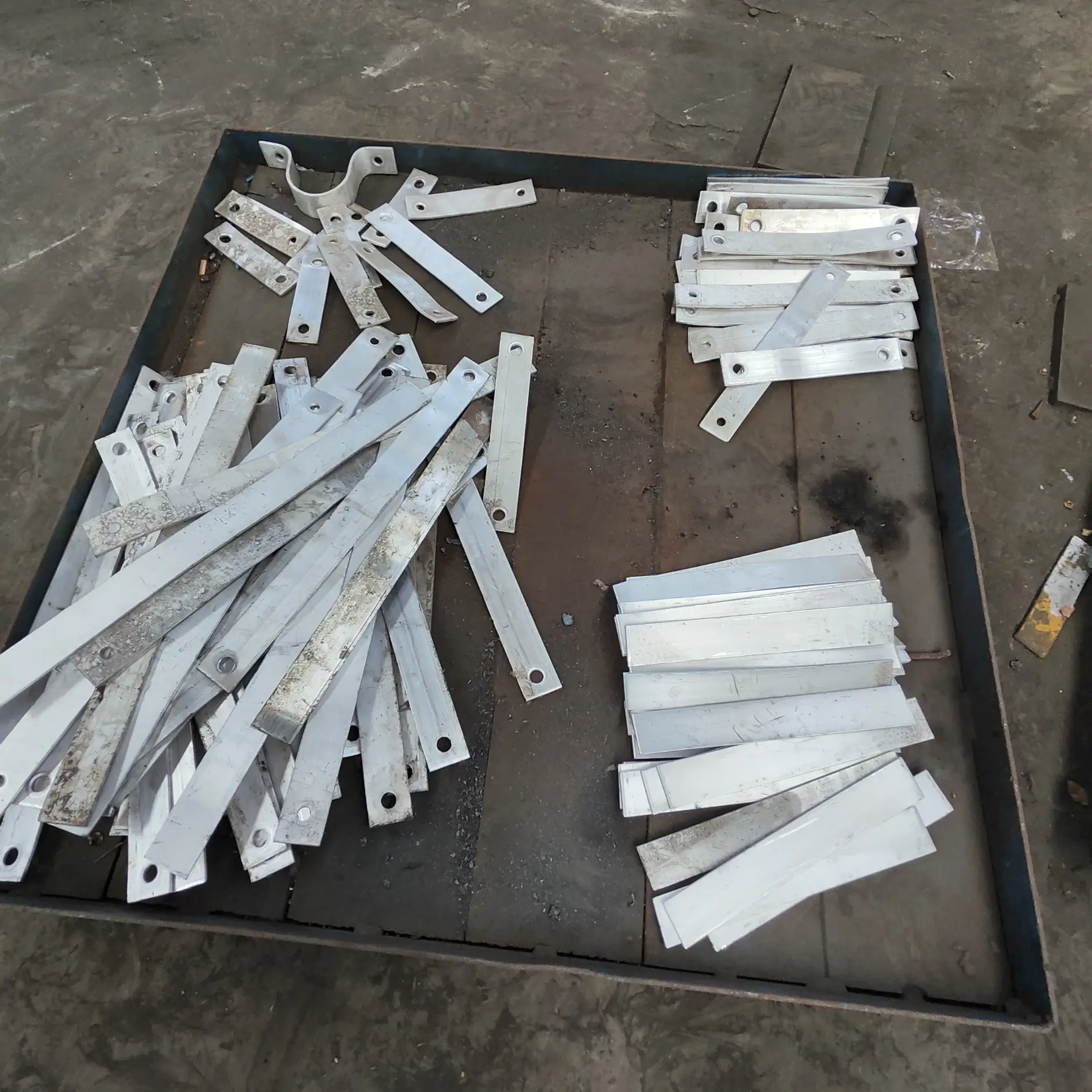
Angles are punched and drilled on a JZ2532 line, and the foot welding fixture keeps the base plate square to the leg within a millimetre. The route is blanking, punching, coping, then trial assembly on the jig before anything is dipped, because a hole 2 mm out is cheap to fix before galvanizing and expensive after. Head plates are cut on a CNC line and the leg-to-base weld closes on a robot station, so the fillet is the same on every unit in the batch. Members are dipped, cooled, straightened if the dip pulled them, and stamped with batch and piece mark before packing.
Erection Sequence and Field Fit-Up
Crews close the EHV tension tower body first and check the base diagonals on both axes; most fit-up trouble starts at a base that was never levelled. The sequence issued with each batch is leg extensions, lower body panels, then one arm at a time from the bottom up, with bolts snugged and left loose until the panel above closes. A 750 kV head is normally assembled on the ground in two halves and lifted as a unit, which keeps the last bolts at height to a handful. If a hole will not take its bolt, the fix is to slacken the panel and re-level, not to ream the hole, because an opened hole loses the friction grip the joint was designed for.
Why Choose Anbang?
Four things decide whether a 750 kV order is safe to place with a factory on the other side of the world, and the evidence for each sits in our own records.
Type-tested, not self-declared. Our 750 kV angle tower carries a report from a CNAS/CMA power equipment testing centre covering 5 Class A and 13 Class B items, valid to December 2026.
Four management systems certified. ISO 9001, 14001, 45001 and 50001, issued by CNAS/IAF-accredited bodies and verifiable on the national certification platform.
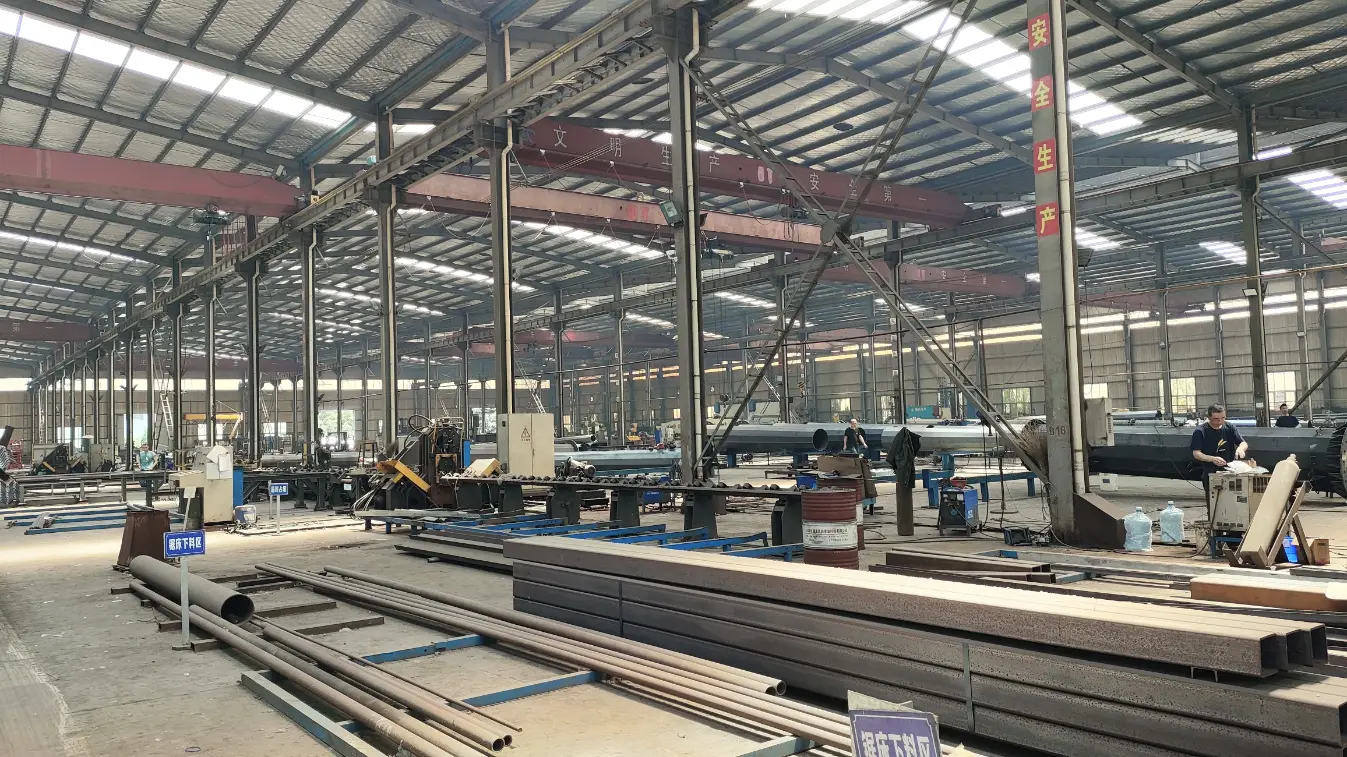
Plant sized for the tonnage. A 150,000 m² works in Jiaozhou with 20 t gantry coverage and 50,000 t annual capacity, so a 260 t anchor set is a normal batch rather than a special project.
Coating under our own control. We hold an interest in a hot-dip galvanizing plant, which is why zinc thickness and delivery dates are not a subcontracted variable.
Export record on the map. Structures from this works stand in 12+ countries, including 90 kV ring-line towers for Dakar and communication towers for Cote d'Ivoire.
Records travel with the steel. Heat-numbered material certificates, galvanizing reports, weld sheets and trial-assembly records are packed with each batch.
FAQ
Q1: How does a 750 kV anchor differ from a 220 kV one in practice?
A: Same load path, different numbers: an EHV tension tower at 750 kV carries about three times the transverse load of a 220 kV unit.
Q2: What do you need from us before you can quote?
A: A single-line diagram, route profile, conductor types, design wind speed, ice thickness, the deviation angle at each anchor and the delivery date.
Q3: Can a single member be replaced years after commissioning?
A: Yes, if the batch numbering is intact. Every member is bolted, so a galvanized replacement needs no field welding.
Q4: Which inspection documents come with the shipment?
A: A material certificate by heat number, the galvanizing report, the weld sheet, the trial assembly record and a packing list for the EHV tension tower.
Q5: What is a realistic production lead time?
Send Inquiry
Contact Info
-
Address
No. 46 Shandong Road, Beiguan Industrial Park, Jiaobei Subdistrict, Jiaozhou City, Qingdao, Shandong Province, China
-
Tel
-
Email
Anbang is a professional manufacturer and supplier in China. Our factory provides steel pipe tower, signal tower, single arm traffic pole, etc. If you are interested in our products, you can inquire now, and we will get back to you promptly.


News Recommendations