News
What Makes a Galvanized Steel Tower "Weather-Resistant"?
Galvanized steel towers have become a backbone of modern infrastructure, offering both structural strength and remarkable resistance to harsh weather. At Qingdao Anbang New Energy Technology Co., Ltd., the combination of advanced steel processing and corrosion-resistant techniques ensures that these towers can endure years of exposure along coastal regions like Jiaozhou Bay, where humidity and salt spray challenge conventional materials. Understanding what makes it truly weather-resistant helps engineers, planners, and city designers make informed infrastructure decisions.
How Galvanization Protects Steel Towers
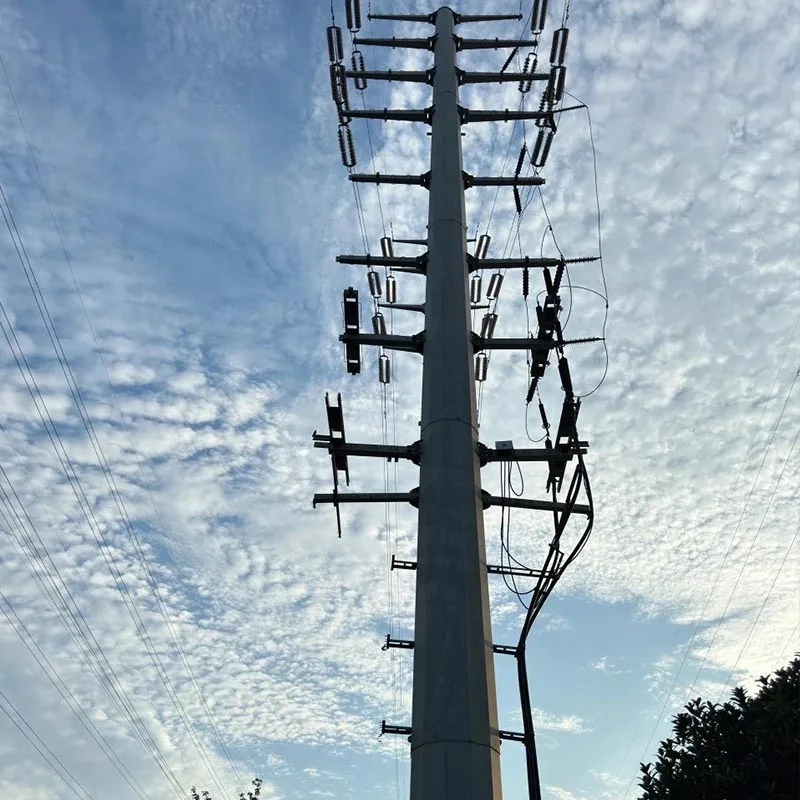
Galvanization is the process of applying a protective zinc coating to steel, creating a physical barrier between the metal and corrosive elements. This layer significantly slows down oxidation, preventing rust from weakening the tower over time. Zinc’s natural properties allow it to act as a sacrificial anode—if the coating is scratched, the exposed steel is still protected, maintaining structural integrity even in coastal or industrial environments.
Comparison of Steel Tower Coatings
| Coating Type | Durability | Corrosion Resistance | Ideal Applications | Maintenance Requirement |
|---|---|---|---|---|
| Hot-Dip Galvanized | 50+ years | Excellent | Coastal, high-humidity, industrial | Low |
| Painted Steel | 10-15 years | Moderate | Urban, indoor, dry climates | Medium |
| Stainless Steel | 50+ years | Excellent | Extreme environments | Low |
| Powder-Coated Steel | 15-20 years | Good | Aesthetic urban areas | Medium |
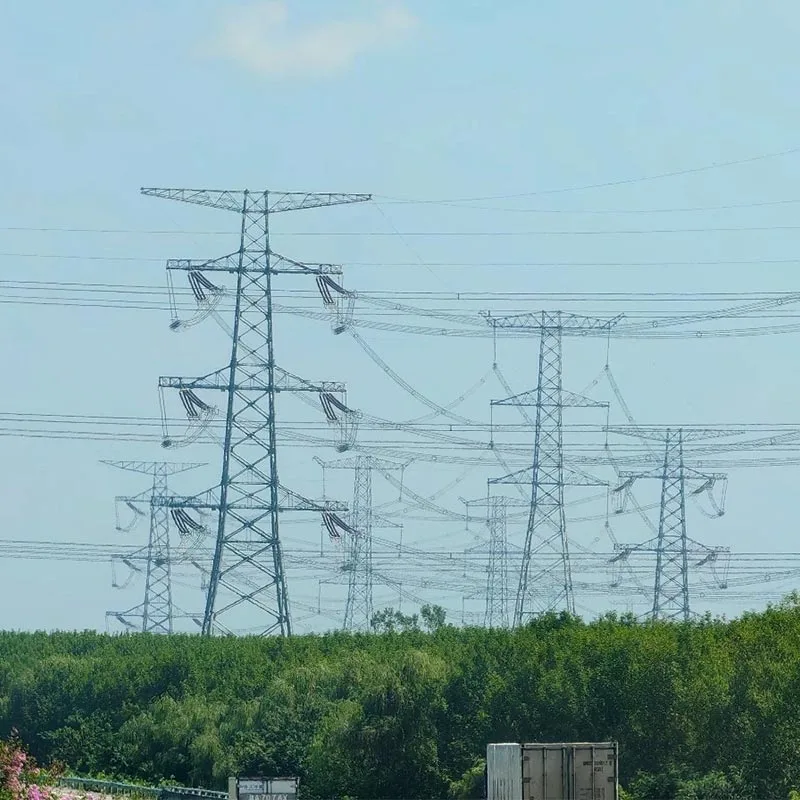
This table highlights why Galvanized Steel Towers often outperform other steel treatments in long-term outdoor applications. Coastal wind farms, transmission lines, and solar panel supports frequently rely on galvanized towers for their resilience.
Structural Design and Material Selection
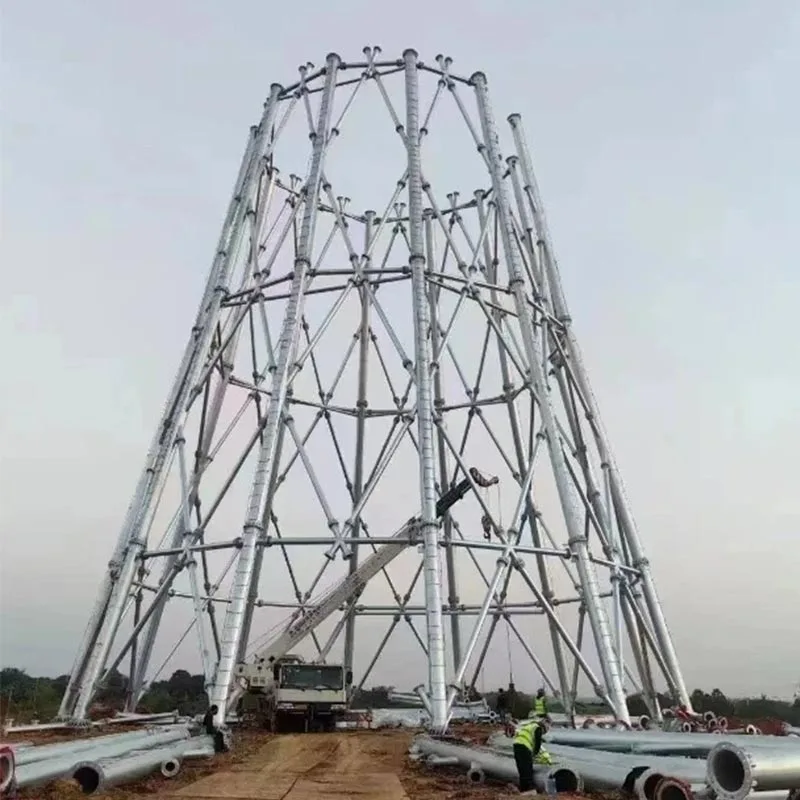
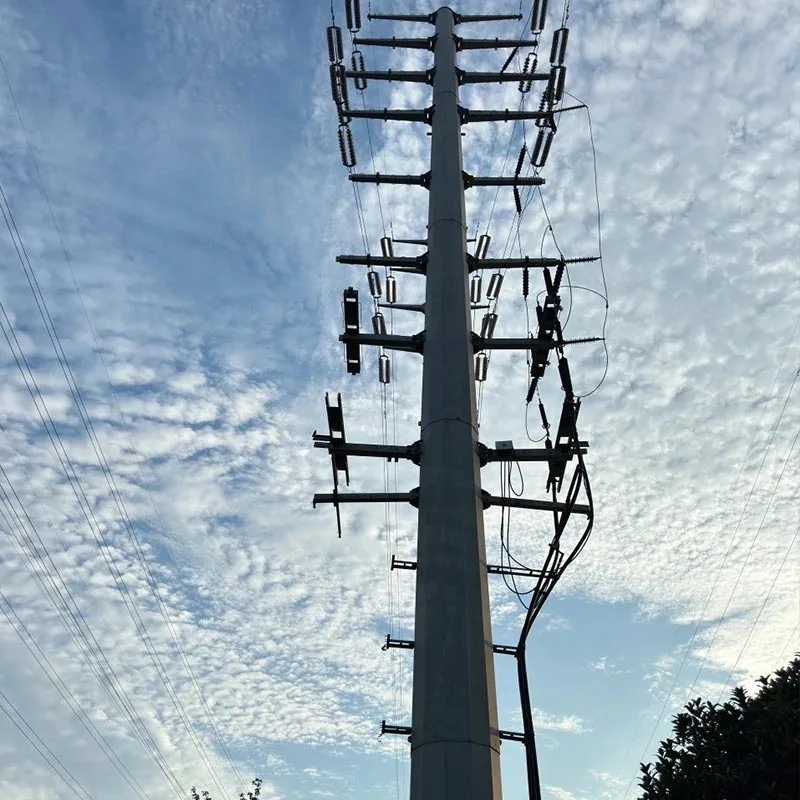
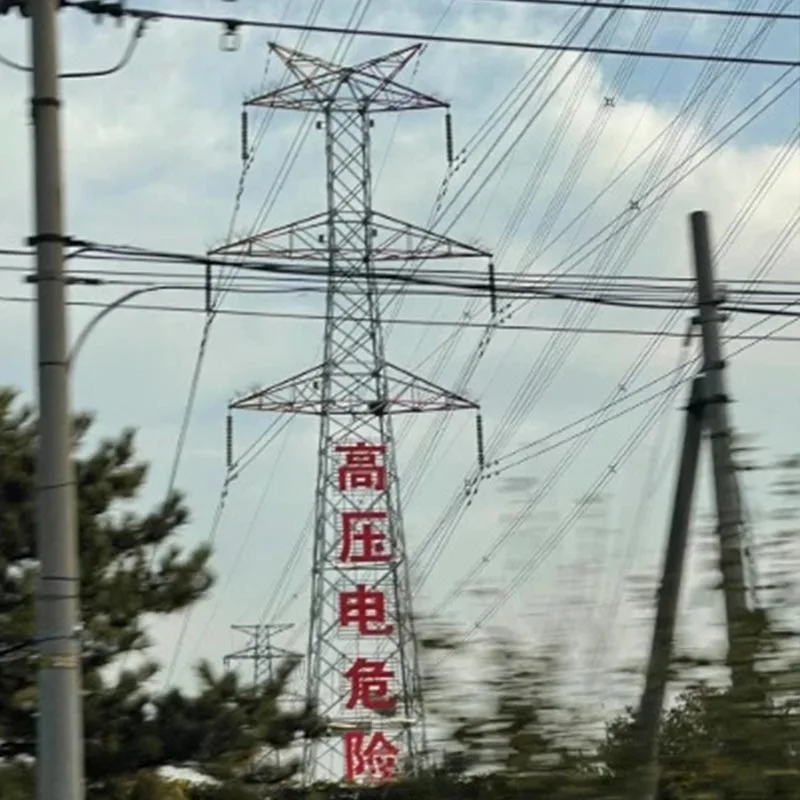
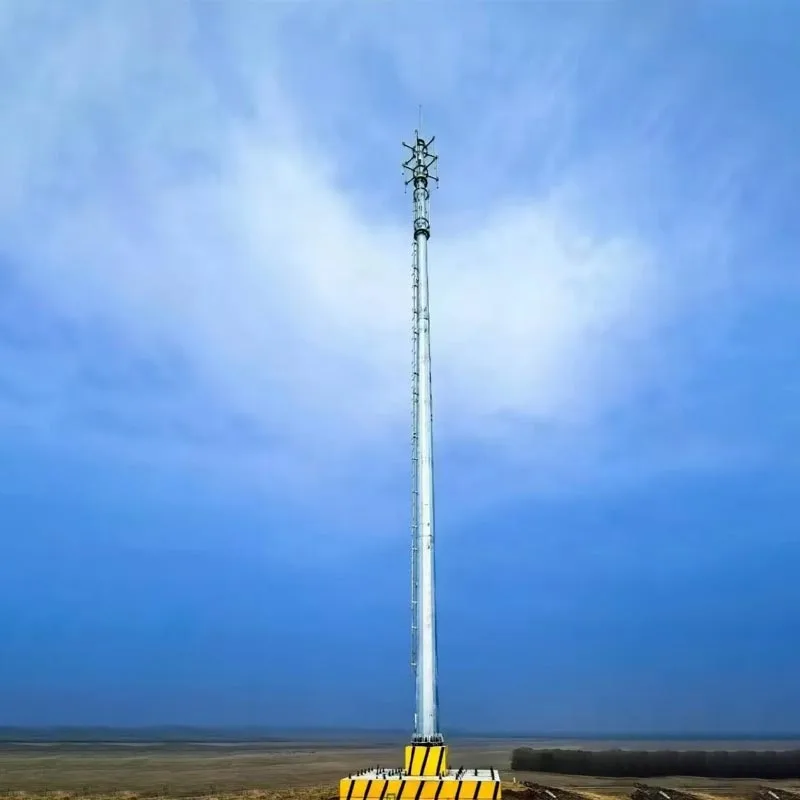
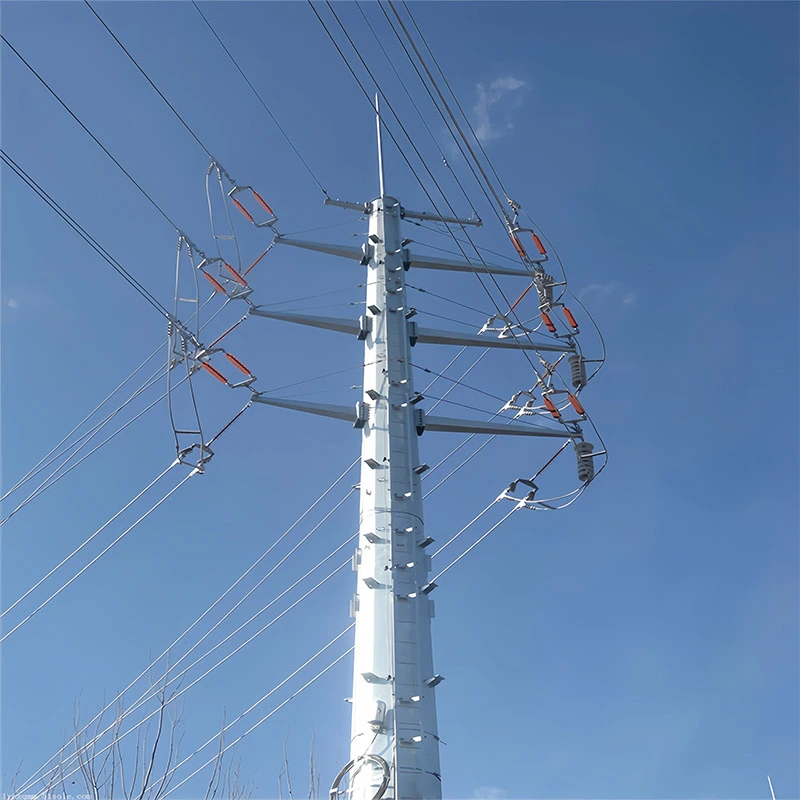
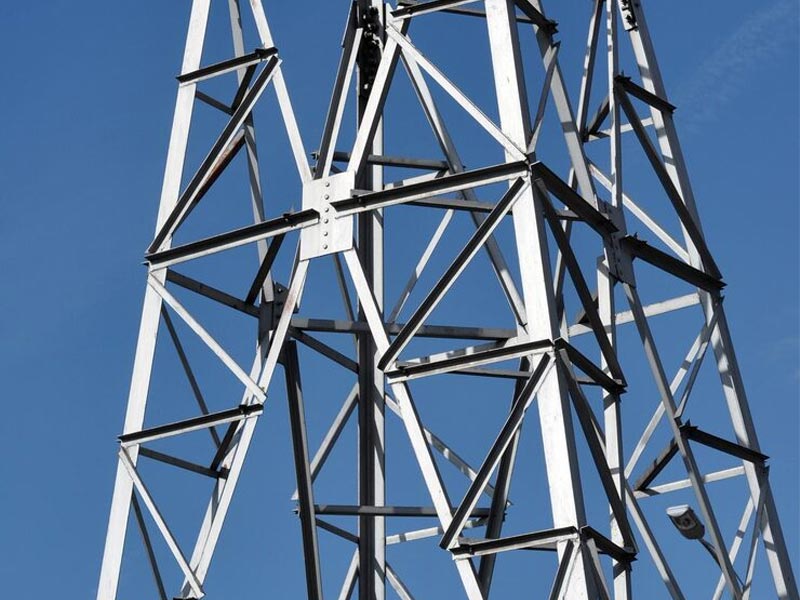
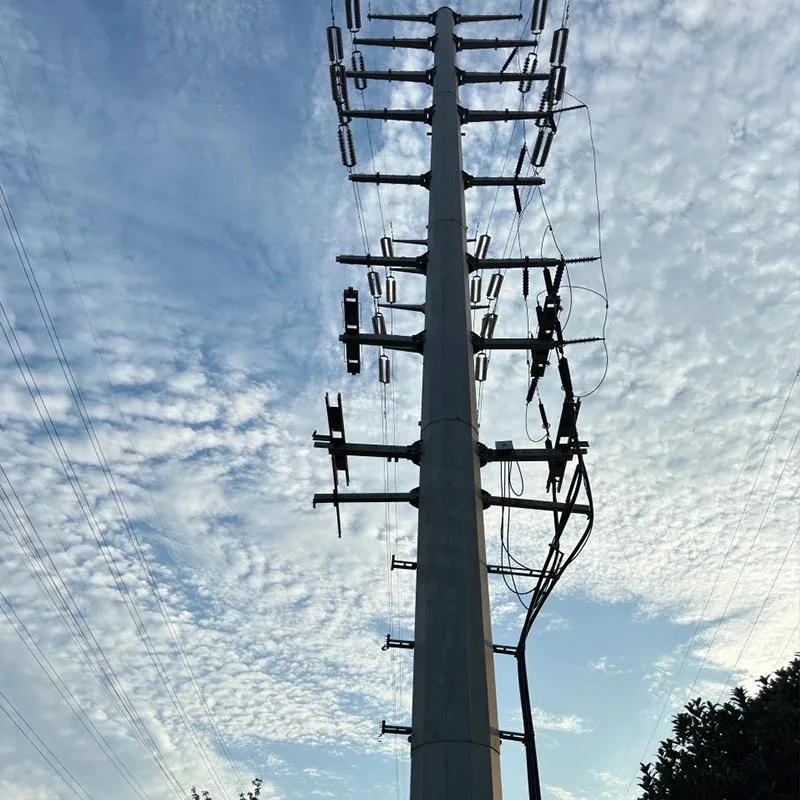
Weather resistance isn’t only about the zinc coating—it also depends on the base steel quality and tower design. Qingdao Anbang New Energy Technology Co., Ltd. utilizes high-strength tubular and lattice steel with controlled chemical composition, ensuring consistent performance under mechanical stress. Tubular towers resist bending and torsion, while lattice designs allow wind to pass through, reducing overall load and the risk of structural fatigue.
Environmental Adaptation
A Galvanized Steel Tower installed near saltwater environments must withstand chloride-induced corrosion, frequent rainfall, and high winds. Key design choices include:
• Smooth surfaces and minimal crevices to reduce moisture accumulation
• Adequate drainage for rainwater on platforms and joints
• Reinforced joints to handle dynamic wind loads
These considerations complement galvanization, creating a durable tower capable of decades-long performance.
Longevity and Maintenance Insights
While galvanized coatings significantly extend tower life, understanding maintenance requirements helps facility managers optimize operations. Typically, a well-applied hot-dip galvanization provides decades of protection with minimal inspection. Periodic visual checks and simple cleaning to remove debris and salt accumulation can prevent localized corrosion from compromising the structure.
Expected Life of Galvanized Steel Towers by Environment
| Environment | Estimated Life (Hot-Dip Galvanized) | Notes |
|---|---|---|
| Coastal Region | 50-60 years | Requires periodic inspection |
| Urban Industrial | 40-50 years | Air pollutants may accelerate wear |
| Inland Rural | 60+ years | Minimal maintenance needed |
| Desert/Arid | 55-65 years | Less humidity, excellent longevity |
This data reinforces why these are preferred for both power transmission and telecom infrastructure, as they combine strength, resilience, and low maintenance requirements.
Broader Applications Beyond Transmission
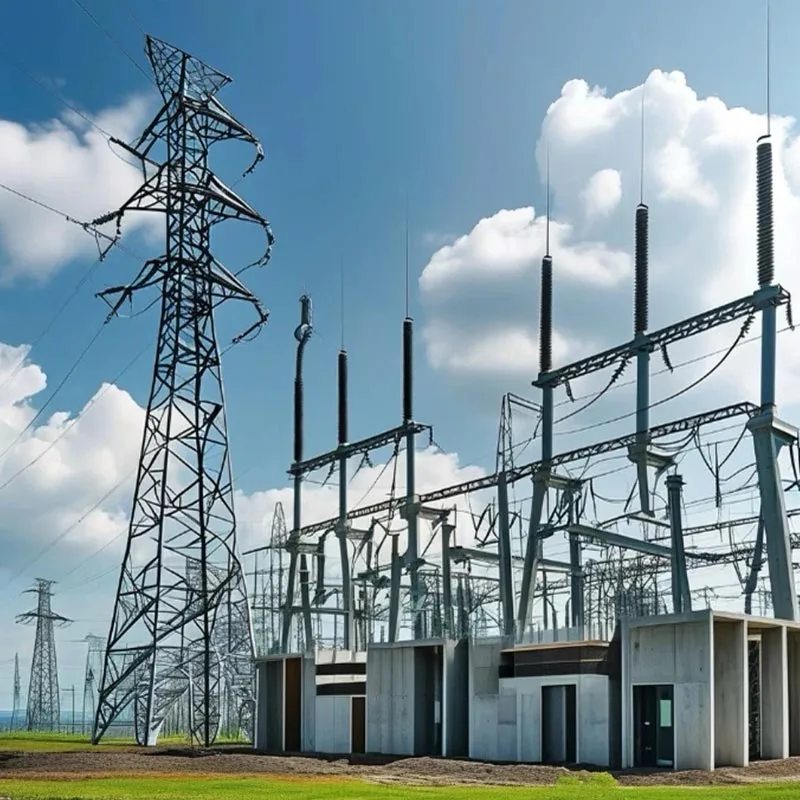
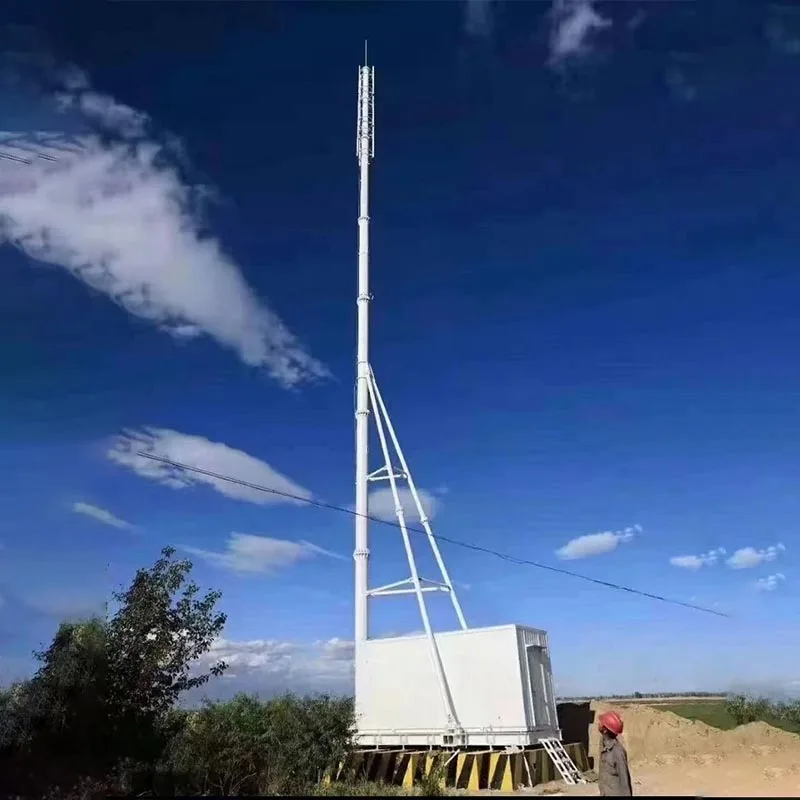
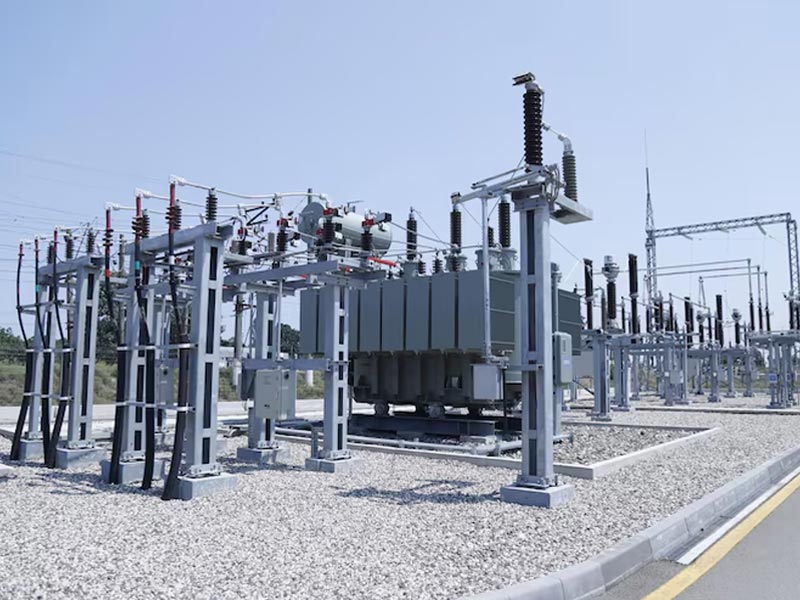
Apart from energy transmission, Galvanized Steel Towers play a pivotal role in telecommunications, solar panel mounts, and urban infrastructure. Their adaptability allows engineers to design solutions that meet both structural and aesthetic requirements while providing long-term reliability. Biomimetic trees, smart streetlight poles, and substation structures all benefit from the inherent corrosion resistance and structural integrity of galvanized steel.
Why Engineering Choices Matter
Even the best materials require thoughtful engineering. Qingdao Anbang New Energy Technology Co., Ltd. integrates advanced design software, wind load analysis, and fatigue testing to ensure that each tower not only resists corrosion but also withstands real-world environmental pressures. This ensures minimal downtime and improved safety over decades of use.
Galvanized vs. Painted Towers Performance Summary
| Feature | Galvanized Tower | Painted Tower |
|---|---|---|
| Corrosion Resistance | High | Moderate |
| Maintenance Frequency | Low | Medium |
| Lifespan | 50+ years | 10-15 years |
| Cost Efficiency | High (long-term) | Medium |
| Environmental Adaptability | Excellent | Limited |
Conclusion: Durability Meets Practical Design
Understanding what makes a Galvanized Steel Tower weather-resistant is essential for planners, engineers, and municipalities investing in reliable infrastructure. The combination of protective zinc coating, high-quality steel, and thoughtful structural design allows towers to endure coastal storms, industrial pollution, and long-term exposure without sacrificing safety or performance. Companies like Qingdao Anbang New Energy Technology Co., Ltd. demonstrate that integrating advanced manufacturing, precision engineering, and environmental adaptation results in towers that stand the test of time.
Related News
- How Does a Tubular Steel Pole Improve Modern Power Infrastructure?
- How Does a Signal Tower Improve Modern Communication and Safety Systems?
- How Can Steel Pipe Telecom Tower Transform Modern Communication Infrastructure?
- What Is a Cable Termination Tower and Why Is It Critical for Modern Power Systems?
- Why Is Tension Tower Essential for Modern Power Transmission Systems?
- What Makes Steel Pipe Tower a Critical Choice for Modern Infrastructure?
Leave me a message