News
Why Is Tension Tower Essential for Modern Power Transmission Systems?
Tension tower structures play a critical role in ensuring the stability, safety, and long-distance efficiency of electrical transmission networks. As global energy demand continues to rise, industries and utilities require reliable infrastructure capable of handling mechanical stress, environmental challenges, and expanding grid systems. This comprehensive guide explores how tension towers work, where they are used, their structural advantages, installation considerations, maintenance requirements, and why they remain indispensable in modern energy projects.
Article Summary
This article explains the importance of tension towers in modern power transmission infrastructure. It covers their functions, design principles, types, engineering considerations, installation methods, material selection, safety standards, maintenance strategies, cost factors, and future development trends. Whether you are an engineer, project contractor, utility company, or procurement specialist, this guide will help you better understand how tension towers contribute to reliable energy transmission.
Table of Contents
- 1. What Is a Tension Tower?
- 2. Why Are Tension Towers Important?
- 3. How Does a Tension Tower Work?
- 4. What Are the Main Types of Tension Towers?
- 5. What Materials Are Used in Tension Towers?
- 6. How Are Tension Towers Designed?
- 7. Where Are Tension Towers Commonly Used?
- 8. What Challenges Do Tension Towers Face?
- 9. How Is Installation Performed?
- 10. What Maintenance Is Required?
- 11. How to Choose the Right Tension Tower Supplier?
- 12. Future Trends in Tension Tower Technology
- 13. Frequently Asked Questions
1. What Is a Tension Tower?
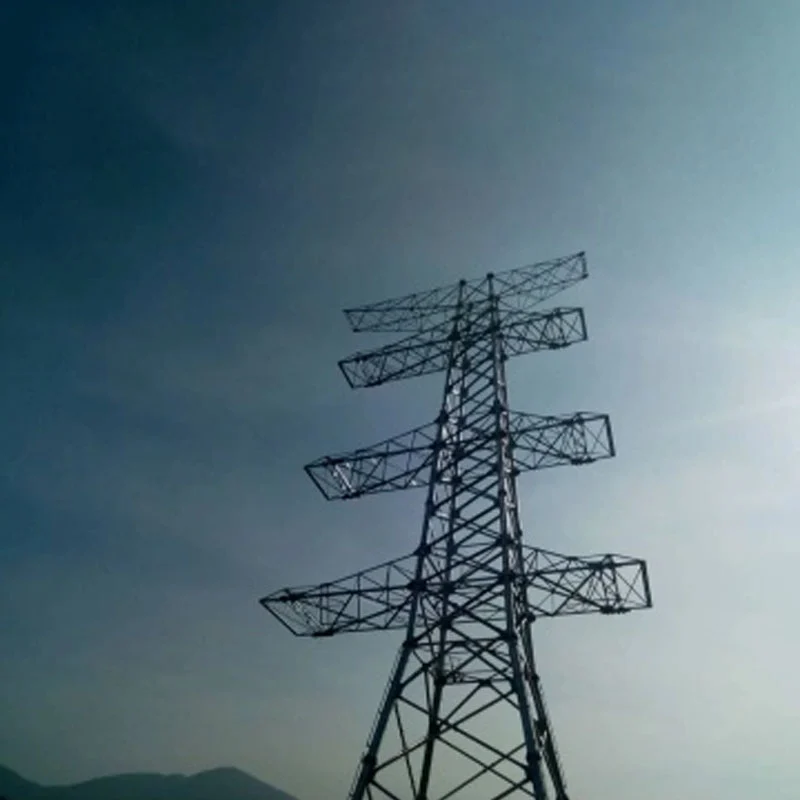
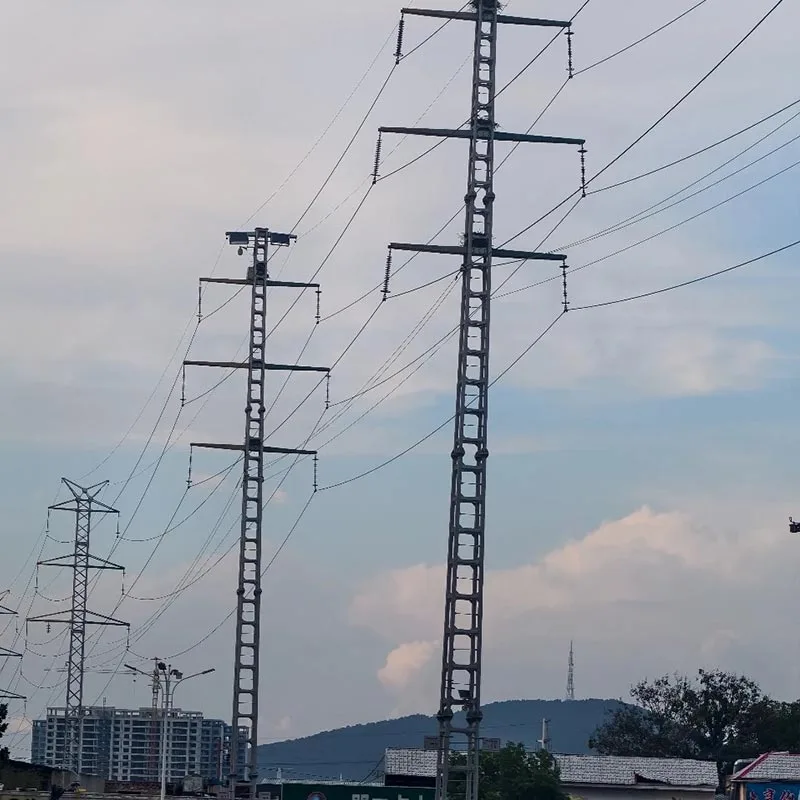
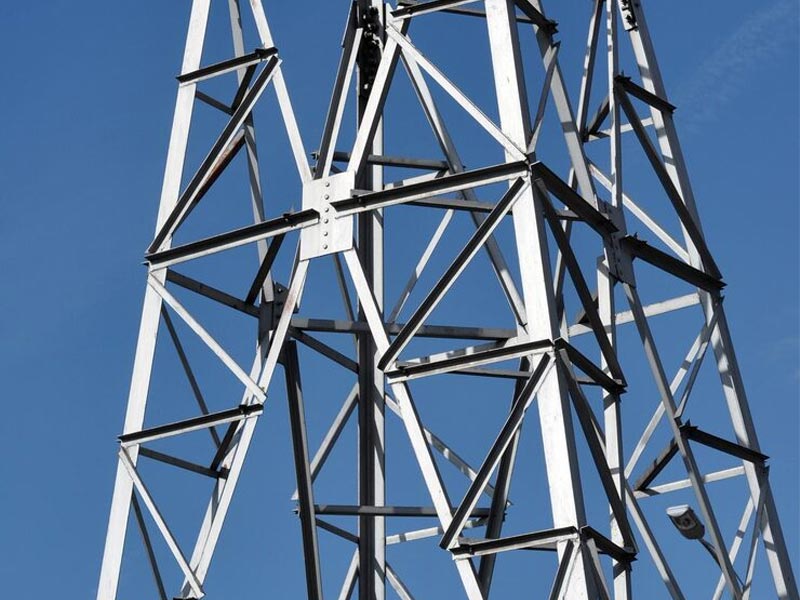
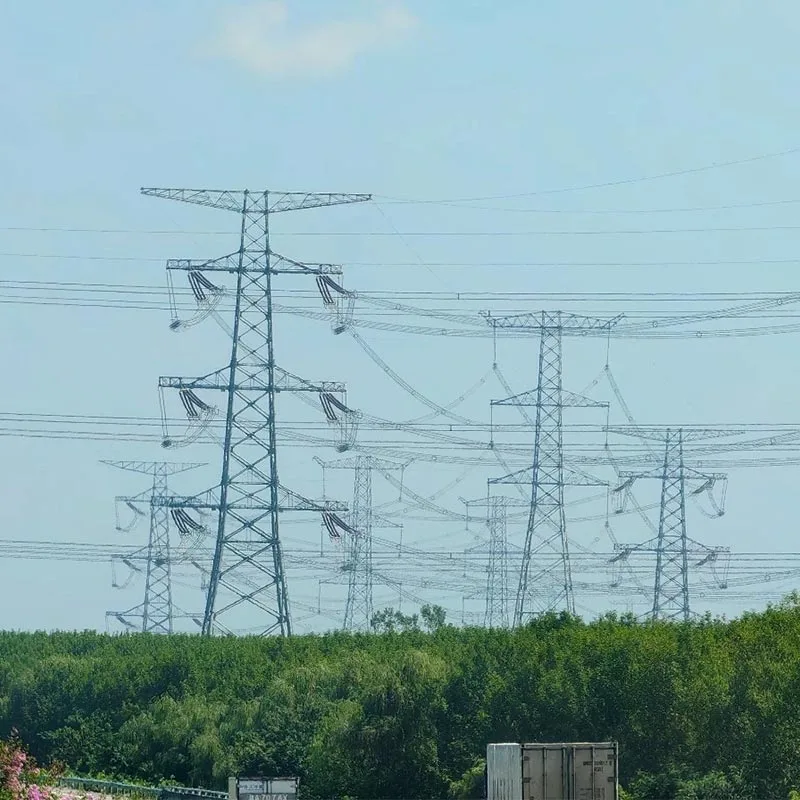
A tension tower is a specialized transmission tower designed to withstand high mechanical loads caused by conductor tension in overhead power lines. Unlike suspension towers, which mainly support the vertical weight of conductors, tension towers are engineered to handle longitudinal forces generated by line direction changes, dead-end connections, river crossings, and mountainous terrain.
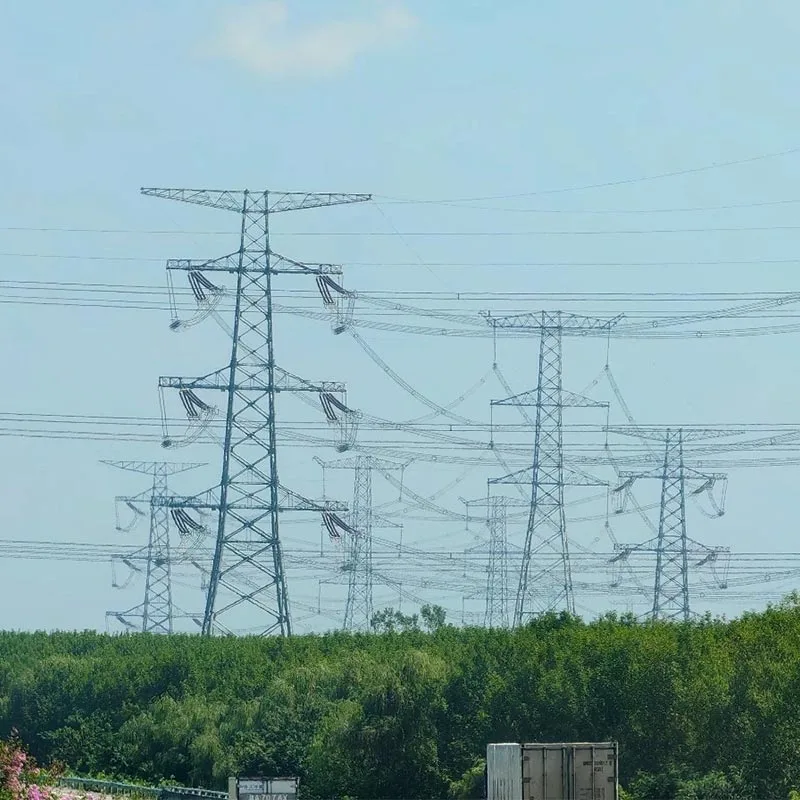
Tension towers are widely used in electrical transmission systems ranging from medium-voltage distribution lines to ultra-high-voltage power grids. Their reinforced structural design helps maintain conductor stability even under extreme weather conditions such as strong winds, heavy ice accumulation, or seismic activity.
In many critical transmission projects, tension towers act as anchor points that prevent cascading failures across long-distance power lines.
| Feature | Tension Tower | Suspension Tower |
|---|---|---|
| Main Function | Handles conductor tension | Supports conductor weight |
| Mechanical Strength | Very high | Moderate |
| Typical Use | Line turns and dead ends | Straight transmission paths |
| Structural Complexity | Higher | Lower |
2. Why Are Tension Towers Important?
Modern electrical infrastructure depends heavily on transmission reliability. Tension towers provide the structural integrity necessary for safe power transportation over long distances. Without them, transmission lines would become vulnerable to instability, conductor sagging, and severe weather damage.
These towers are particularly important in areas where transmission lines encounter directional changes or difficult landscapes. They prevent excessive strain from spreading through the entire line system and reduce the risk of widespread outages.
- Improve grid reliability
- Reduce conductor movement
- Increase transmission safety
- Support long-span crossings
- Enhance structural durability
- Protect power continuity during storms
Utility providers increasingly prioritize robust tension tower systems because infrastructure downtime can lead to significant economic losses and operational disruptions.
3. How Does a Tension Tower Work?
Tension towers operate by balancing and resisting mechanical loads generated by conductors. The tower structure transfers conductor tension forces into the foundation, ensuring the stability of the transmission line.
When a power line changes direction or terminates, the conductors exert significant pulling forces. Tension towers are specifically designed with reinforced cross-arms, stronger foundations, and heavier steel components to resist these forces.
The engineering principle behind a tension tower involves force distribution, load balancing, and structural reinforcement to maintain electrical line integrity.
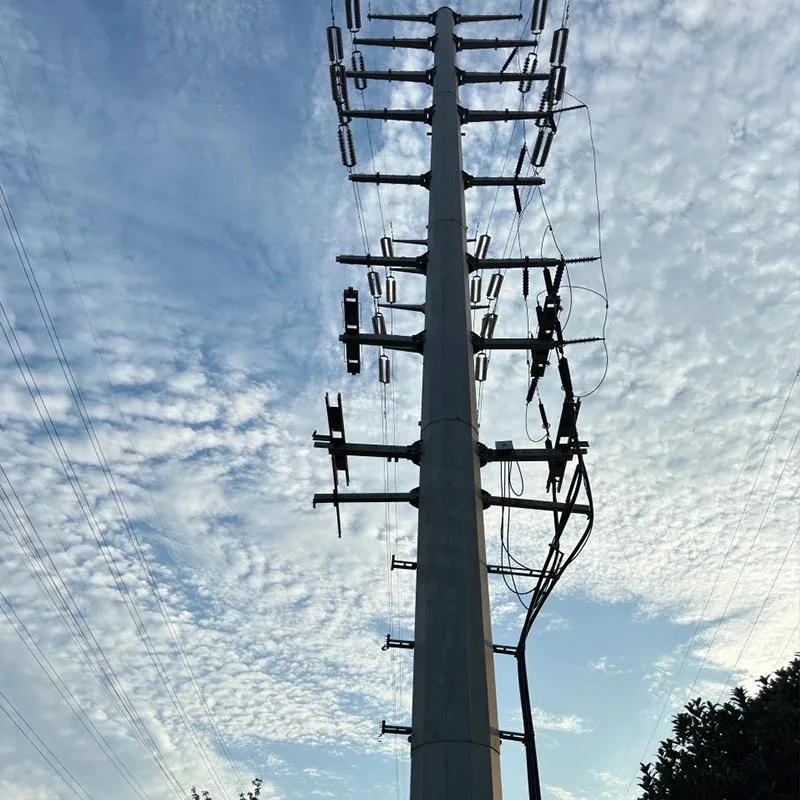
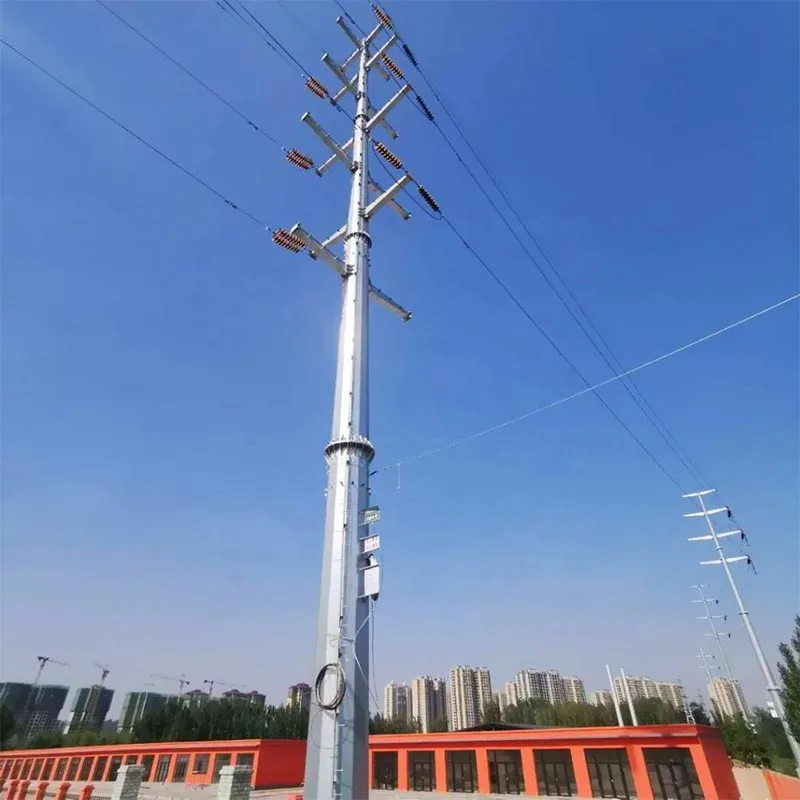
Insulator strings attached to tension towers are generally arranged horizontally or in V-shaped configurations to better handle longitudinal stress. This differs from suspension towers where insulators typically hang vertically.
4. What Are the Main Types of Tension Towers?
Different transmission environments require different tension tower configurations. Engineers select tower types based on voltage level, terrain, span length, environmental conditions, and conductor arrangement.
| Type | Main Application | Key Advantage |
|---|---|---|
| Angle Tension Tower | Line direction changes | Excellent lateral stability |
| Dead-End Tower | Line termination points | Maximum tension resistance |
| River Crossing Tower | Long-span crossings | High structural elevation |
| Mountain Tension Tower | Uneven terrain | Terrain adaptability |
Some projects also utilize hybrid tower designs that combine suspension and tension capabilities for enhanced flexibility and reduced infrastructure costs.
5. What Materials Are Used in Tension Towers?
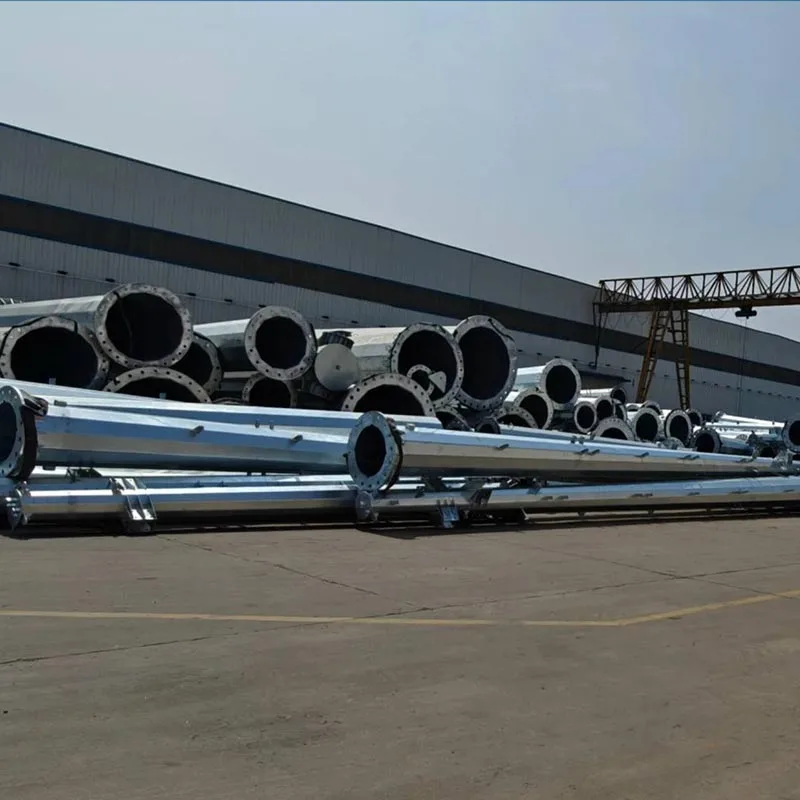
Material selection directly affects tower durability, corrosion resistance, mechanical performance, and service life. Most modern tension towers are manufactured using galvanized steel because of its exceptional strength and weather resistance.
Common materials include:
- Hot-dip galvanized steel
- Weather-resistant structural steel
- High-strength alloy steel
- Composite materials for special applications
Galvanization creates a protective zinc coating that minimizes corrosion even in coastal or industrial environments. This significantly extends the operational lifespan of the tower.
High-quality material processing can reduce long-term maintenance costs while improving structural safety under harsh environmental conditions.
6. How Are Tension Towers Designed?
Designing a tension tower involves detailed structural analysis and engineering calculations. Engineers must consider electrical requirements, environmental conditions, mechanical loads, and safety standards.
Important design factors include:
- Wind load analysis
- Ice load calculations
- Seismic resistance
- Conductor tension forces
- Ground clearance requirements
- Foundation stability
- Electrical insulation distances
Computer-aided structural modeling is commonly used to simulate different operating conditions before manufacturing begins. This helps engineers optimize tower performance while reducing material waste.
| Design Factor | Importance |
|---|---|
| Wind Resistance | Prevents tower collapse during storms |
| Foundation Strength | Ensures structural stability |
| Electrical Clearance | Protects operational safety |
| Corrosion Protection | Improves service life |
7. Where Are Tension Towers Commonly Used?
Tension towers are essential in many infrastructure projects worldwide. Their applications extend across energy transmission, renewable energy integration, industrial power systems, and cross-country utility networks.
Common application areas include:
- High-voltage transmission lines
- Ultra-high-voltage grid projects
- Wind farm transmission systems
- Hydropower station connections
- Cross-river transmission crossings
- Mountain power networks
- Industrial power distribution systems
As renewable energy projects continue expanding globally, demand for durable tension tower solutions is increasing rapidly.
8. What Challenges Do Tension Towers Face?
Despite their robust design, tension towers encounter several operational challenges over time. Environmental exposure, mechanical fatigue, and infrastructure aging can affect long-term performance.
Key challenges include:
| Challenge | Impact |
|---|---|
| Corrosion | Weakens structural components |
| Extreme Weather | Increases mechanical stress |
| Foundation Settlement | Causes alignment instability |
| Metal Fatigue | Reduces service life |
| Improper Installation | Creates safety risks |
Preventive engineering and regular inspections are essential to maintaining operational reliability throughout the tower lifecycle.
9. How Is Installation Performed?
Tension tower installation requires precise planning and skilled engineering teams. The process begins with site surveys and foundation preparation before tower assembly takes place.
Typical installation steps include:
- Geological site investigation
- Foundation excavation
- Concrete foundation construction
- Tower section assembly
- Crane or derrick lifting
- Bolt tightening and alignment
- Insulator and conductor installation
- Final inspection and testing
Proper installation directly influences the operational safety and lifespan of the entire transmission system.
In difficult terrain, helicopters or specialized lifting equipment may be required to transport components efficiently.
10. What Maintenance Is Required?
Routine maintenance is necessary to ensure long-term structural performance and electrical reliability. Maintenance programs help detect early signs of damage before major failures occur.
Common maintenance activities include:
- Visual structural inspections
- Corrosion monitoring
- Bolt tightening checks
- Foundation inspections
- Insulator cleaning and replacement
- Conductor tension verification
- Drone-based aerial inspections
Many utility companies now use digital monitoring systems and smart sensors to improve predictive maintenance capabilities.
11. How to Choose the Right Tension Tower Supplier?
Selecting a reliable supplier is one of the most important decisions for any transmission project. A qualified manufacturer can ensure product quality, engineering accuracy, timely delivery, and long-term technical support.
Important selection criteria include:
| Selection Factor | Why It Matters |
|---|---|
| Manufacturing Experience | Ensures technical expertise |
| Quality Control | Reduces operational risks |
| Engineering Capability | Supports customized projects |
| Certification Compliance | Meets international standards |
| After-Sales Support | Improves long-term cooperation |
Qingdao Anbang New Energy Technology Co., Ltd. has developed strong expertise in power transmission infrastructure solutions by focusing on manufacturing precision, structural reliability, and customized engineering support for global energy projects.
12. Future Trends in Tension Tower Technology
The power transmission industry continues evolving to meet growing energy demands and sustainability goals. Future tension tower designs are expected to become lighter, stronger, smarter, and more environmentally adaptable.
Emerging trends include:
- Smart monitoring integration
- Advanced corrosion-resistant coatings
- Modular tower construction
- Improved seismic performance
- Lightweight composite materials
- AI-assisted structural analysis
- Renewable energy grid integration
As energy infrastructure expands worldwide, the role of advanced tension tower systems will become increasingly important in supporting stable and efficient power distribution.
13. Frequently Asked Questions
Q1: What is the main purpose of a tension tower?
A tension tower is designed to withstand mechanical tension forces in overhead transmission lines, especially at turning points, dead ends, and long-span crossings.
Q2: How long can a tension tower last?
With proper maintenance and corrosion protection, high-quality tension towers can operate for several decades, often exceeding 40 to 60 years.
Q3: Why is galvanized steel commonly used?
Galvanized steel provides excellent strength, corrosion resistance, and durability, making it suitable for harsh outdoor environments.
Q4: Are tension towers suitable for renewable energy projects?
Yes. Tension towers are widely used in wind farms, solar energy transmission systems, and hydropower grid connections.
Q5: What factors affect tension tower cost?
Cost depends on voltage level, tower height, material specifications, environmental conditions, foundation requirements, and transportation complexity.
Q6: How often should tension towers be inspected?
Inspection schedules vary depending on environmental conditions and utility regulations, but routine inspections are commonly performed annually or after severe weather events.
Looking for Reliable Tension Tower Solutions?
Qingdao Anbang New Energy Technology Co., Ltd. is committed to providing high-quality transmission tower solutions for global infrastructure projects. Whether you need customized engineering support, durable galvanized steel structures, or professional technical consultation, our experienced team is ready to assist you.
Contact us today to discuss your next power transmission project and discover reliable solutions tailored to your requirements.
Related News
- How Does a Tubular Steel Pole Improve Modern Power Infrastructure?
- How Does a Signal Tower Improve Modern Communication and Safety Systems?
- How Can Steel Pipe Telecom Tower Transform Modern Communication Infrastructure?
- What Is a Cable Termination Tower and Why Is It Critical for Modern Power Systems?
- What Makes a Galvanized Steel Tower "Weather-Resistant"?
- What Makes Steel Pipe Tower a Critical Choice for Modern Infrastructure?
Leave me a message