News
How Can Steel Pipe Telecom Tower Transform Modern Communication Infrastructure?
Steel pipe telecom towers have become a cornerstone of modern communication networks, enabling stable signal transmission, high structural reliability, and long-term performance in diverse environments. As global demand for faster connectivity, 5G expansion, and rural network coverage continues to grow, telecom infrastructure faces increasing pressure to be stronger, more cost-efficient, and easier to maintain. Steel pipe towers offer a practical engineering solution that addresses these challenges through superior load-bearing capacity, corrosion resistance, and modular construction. This article explores their structure, benefits, applications, installation considerations, and long-term value for telecom operators, contractors, and infrastructure investors.
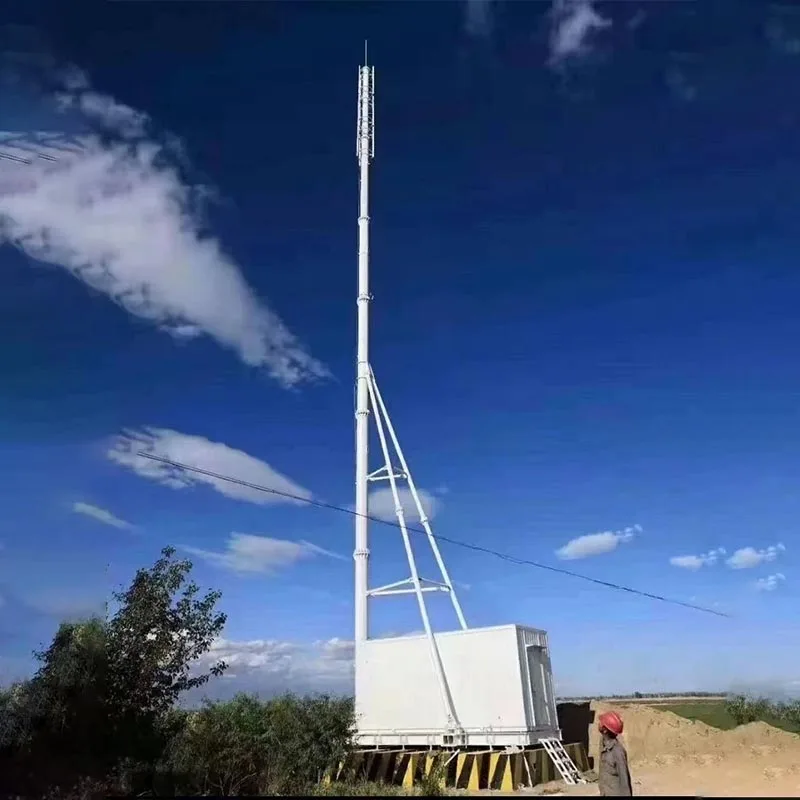
Table of Contents
- 1. Overview of Steel Pipe Telecom Towers
- 2. Structural Design and Engineering Principles
- 3. Key Advantages in Telecom Applications
- 4. Materials and Manufacturing Process
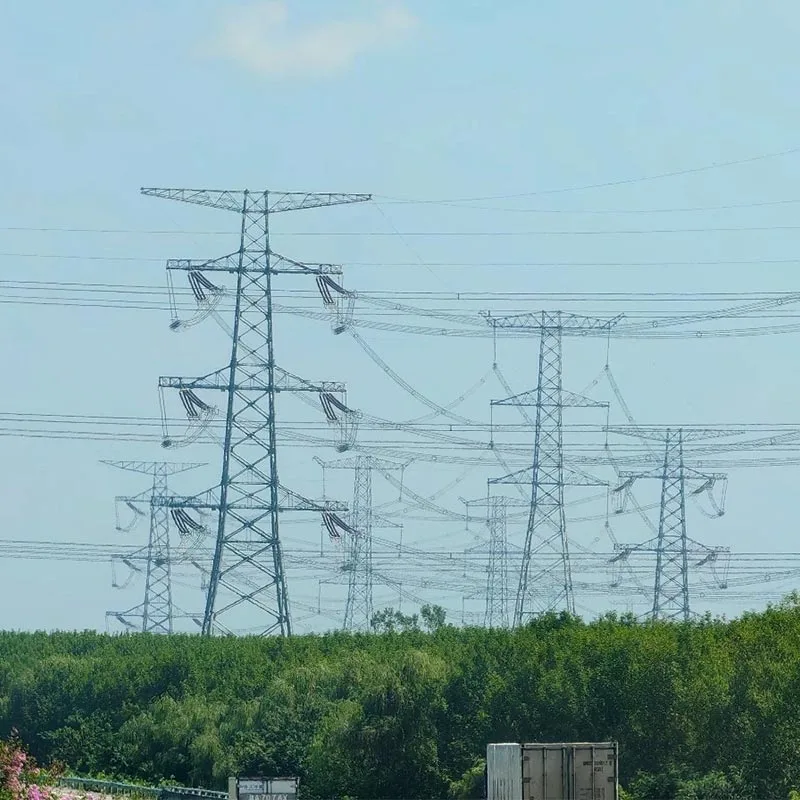
- 5. Steel Pipe Towers vs Traditional Lattice Towers
- 6. Application Scenarios Across Industries
- 7. Installation and Maintenance Guidelines
- 8. Cost Efficiency and Lifecycle Value
- 9. Common Challenges and Engineering Solutions
- 10. Future Trends in Telecom Tower Development
- 11. Frequently Asked Questions
- 12. Conclusion and Industry Outlook
1. Overview of Steel Pipe Telecom Towers
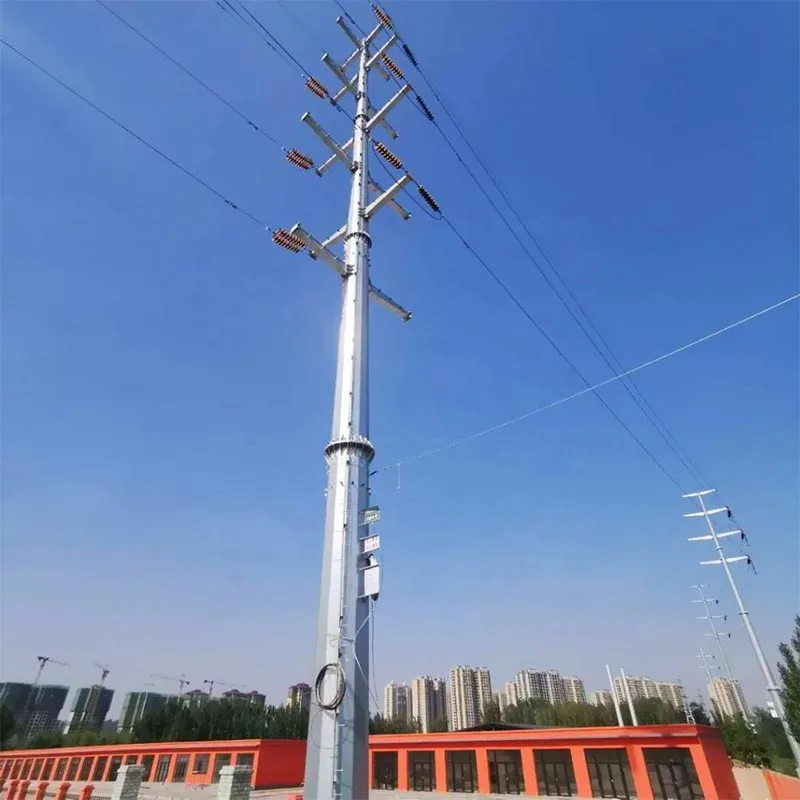
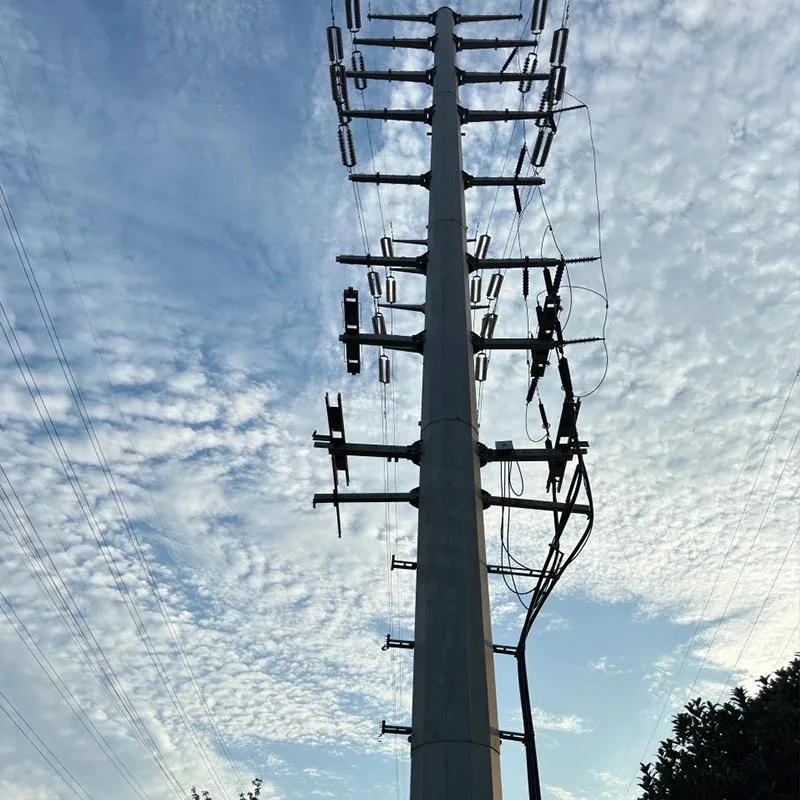
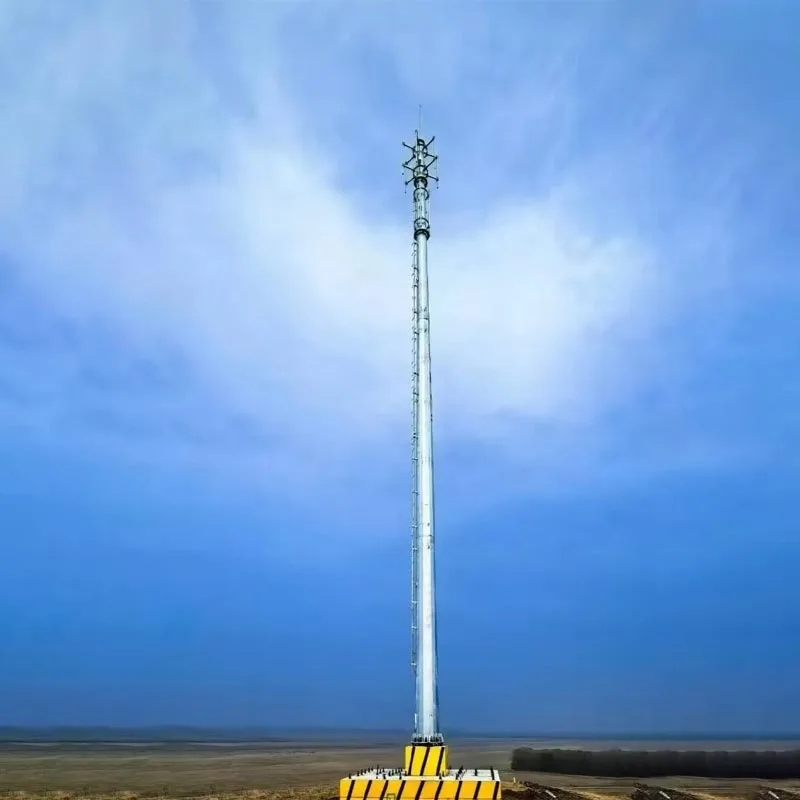
Steel pipe telecom towers are vertical structural systems made primarily from high-strength steel pipes designed to support antennas, microwave dishes, and other communication equipment. They are widely used in mobile network base stations, broadcasting systems, and broadband infrastructure projects.
Unlike traditional angular steel lattice towers, steel pipe towers use tubular steel sections that provide smoother aerodynamics, higher resistance to wind load, and improved aesthetic integration in urban environments. These characteristics make them particularly suitable for cities, highways, and scenic areas where visual impact matters.
As communication networks evolve toward 5G and beyond, steel pipe towers are increasingly preferred for their ability to support heavier equipment loads and higher installation density.
2. Structural Design and Engineering Principles
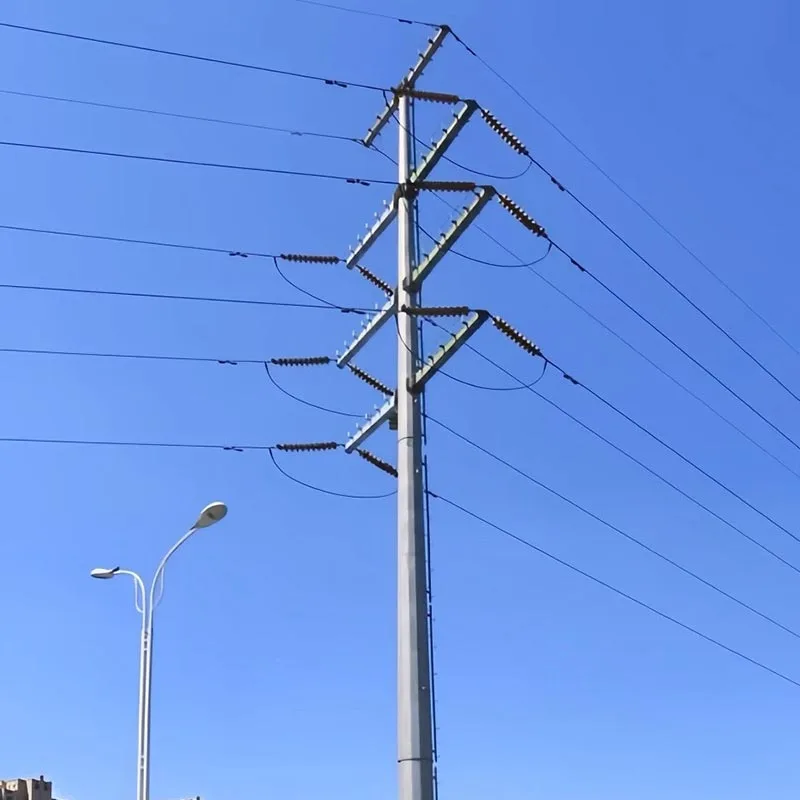
The structural integrity of steel pipe telecom towers is based on cylindrical load distribution and triangulated bracing systems. Engineers design these towers to withstand wind pressure, seismic activity, and equipment weight simultaneously.
- Main Shaft: Made of seamless or welded steel pipes with high tensile strength.
- Flange Connections: Provide modular assembly and stability.
- Foundation System: Typically reinforced concrete to ensure grounding stability.
- Platform Mounts: Support antennas and signal equipment at multiple heights.
The use of circular cross-sections reduces wind resistance significantly compared to angular structures, improving overall tower stability and lifespan.
3. Key Advantages in Telecom Applications
Steel pipe telecom towers offer multiple operational and economic benefits that make them a preferred choice for modern communication infrastructure projects.
- High Structural Strength: Supports heavy 5G antenna systems and multi-operator sharing.
- Wind Resistance: Smooth surface reduces wind load pressure.
- Corrosion Protection: Hot-dip galvanization extends service life.
- Aesthetic Design: Suitable for urban deployment with reduced visual clutter.
- Modular Installation: Faster assembly and reduced construction time.
These advantages contribute to reduced maintenance costs and improved operational reliability for telecom operators.
4. Materials and Manufacturing Process
The performance of steel pipe telecom towers depends heavily on material selection and manufacturing precision. High-quality carbon steel and alloy steel are commonly used.
| Material Type | Characteristics | Application Benefit |
|---|---|---|
| Q235 Steel | Good ductility, cost-effective | Standard telecom tower projects |
| Q345 Steel | High strength, improved load capacity | High-rise and heavy-load towers |
| Alloy Steel | Superior corrosion resistance | Coastal and harsh environments |
Manufacturing includes cutting, forming, welding, galvanizing, and quality testing to ensure compliance with international telecom infrastructure standards.
5. Steel Pipe Towers vs Traditional Lattice Towers
| Feature | Steel Pipe Telecom Tower | Lattice Tower |
|---|---|---|
| Wind Resistance | High | Medium |
| Aesthetic Appearance | Modern & Clean | Industrial & Visible |
| Installation Speed | Faster modular assembly | Slower bolted structure |
| Maintenance | Lower long-term cost | Higher inspection frequency |
While lattice towers remain cost-effective for rural deployments, steel pipe towers dominate in urban and high-performance communication environments.
6. Application Scenarios Across Industries
- 5G mobile network base stations
- Urban broadband infrastructure
- Broadcasting and radio transmission systems
- Smart city surveillance systems
- Highway and railway communication networks
- Remote rural connectivity expansion
These towers play a critical role in ensuring uninterrupted connectivity across both densely populated cities and remote regions.
7. Installation and Maintenance Guidelines
Proper installation is essential to ensure long-term safety and performance of steel pipe telecom towers.
- Site Survey: Soil testing and wind load analysis.
- Foundation Construction: Reinforced concrete base installation.
- Tower Assembly: Modular section lifting and connection.
- Equipment Mounting: Antennas and signal devices installed at designated heights.
- Testing & Commissioning: Structural and signal performance validation.
Routine maintenance includes bolt tightening inspections, anti-corrosion coating checks, and structural stability monitoring.
8. Cost Efficiency and Lifecycle Value
Although initial investment in steel pipe telecom towers may be higher than simpler alternatives, their long-term value is significantly greater due to reduced maintenance and extended service life.
- Lower repainting and anti-rust maintenance frequency
- Long service life exceeding 25 years
- Reduced downtime for repairs
- Higher multi-operator leasing revenue potential
From a lifecycle perspective, these towers deliver strong return on investment for telecom infrastructure developers.
9. Common Challenges and Engineering Solutions
Despite their advantages, steel pipe telecom towers also face engineering challenges that must be addressed during design and deployment.
- Transportation Constraints: Solved by modular segmented design.
- High Initial Cost: Offset by long-term operational savings.
- Corrosion in Coastal Areas: Mitigated with advanced galvanization and coatings.
- Load Balancing Complexity: Solved through finite element structural analysis.
10. Future Trends in Telecom Tower Development
The future of steel pipe telecom towers is closely tied to the evolution of smart cities and next-generation communication technologies.
- Integration with IoT sensors for real-time monitoring
- Smart maintenance using AI-based diagnostics
- Energy-efficient hybrid towers with solar integration
- Increased demand from 5G and 6G infrastructure expansion
These trends indicate a strong and continuous demand for advanced steel pipe tower systems worldwide.
11. Frequently Asked Questions
Q1: What is a steel pipe telecom tower used for?
It is used to support communication antennas and transmit signals for mobile networks, broadcasting, and broadband systems.
Q2: How long does a steel pipe telecom tower last?
With proper maintenance, it can last more than 25 years.
Q3: Are steel pipe towers better than lattice towers?
They offer better aesthetics, wind resistance, and urban compatibility, while lattice towers are more economical for rural areas.
Q4: Can these towers support 5G equipment?
Yes, they are widely used in 5G base station deployments due to their high load capacity.
Q5: What maintenance is required?
Regular inspections, corrosion protection checks, and structural tightening are required.
12. Conclusion and Industry Outlook
Steel pipe telecom towers represent a vital component of modern communication infrastructure. Their strength, durability, and adaptability make them suitable for both urban and rural deployment scenarios. As global connectivity continues to expand, these towers will remain essential in supporting high-speed communication networks and smart city development.
Their role is expected to grow further as demand for stable, high-capacity telecom infrastructure increases worldwide.
About Manufacturing Partner
Qingdao Anbang New Energy Technology Co., Ltd. is committed to providing high-quality steel structure solutions for global communication infrastructure projects, focusing on durability, engineering precision, and long-term reliability.
Contact Us
For project consultation, technical specifications, or customized steel pipe telecom tower solutions, please feel free to contact us. Our engineering team is ready to support your infrastructure development needs with professional service and competitive solutions.
Related News
- How Does a Tubular Steel Pole Improve Modern Power Infrastructure?
- How Does a Signal Tower Improve Modern Communication and Safety Systems?
- What Is a Cable Termination Tower and Why Is It Critical for Modern Power Systems?
- Why Is Tension Tower Essential for Modern Power Transmission Systems?
- What Makes a Galvanized Steel Tower "Weather-Resistant"?
- What Makes Steel Pipe Tower a Critical Choice for Modern Infrastructure?
Leave me a message