How Does a Tubular Steel Pole Improve Modern Power Infrastructure?
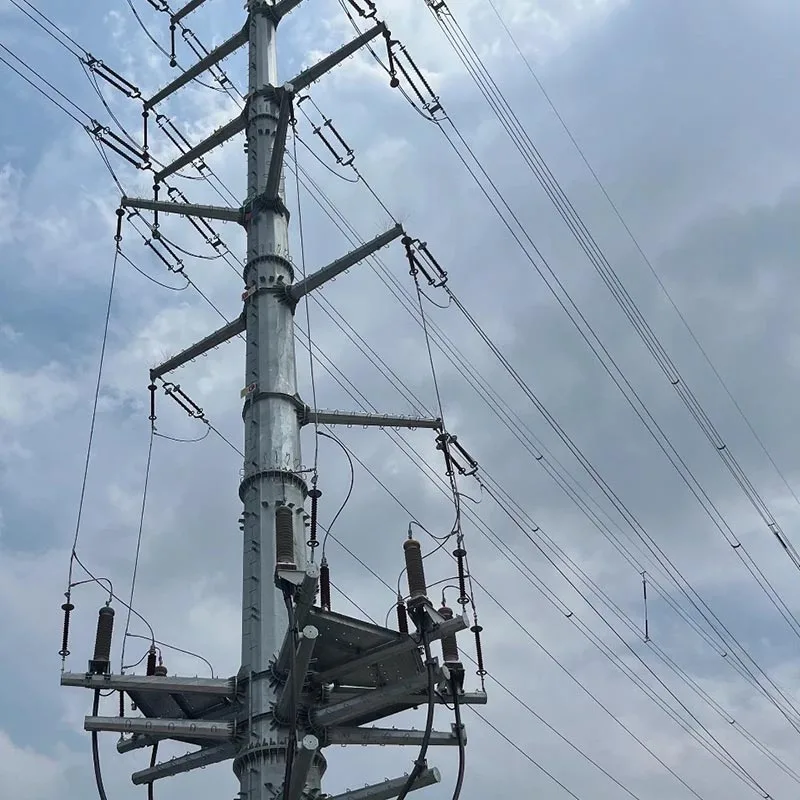
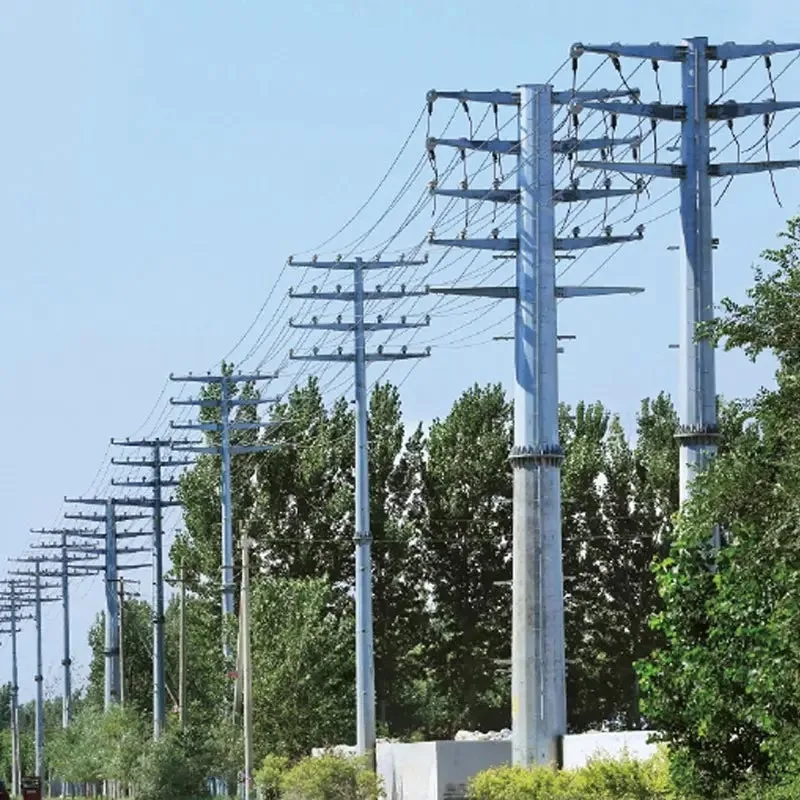
As power networks expand and urban infrastructure becomes more complex, the demand for reliable, space-efficient support structures continues to grow. A Tubular Steel Pole provides a practical solution for overhead power transmission and distribution systems, combining structural strength, a compact profile, and flexible engineering options. Its performance depends on material quality, structural design, environmental conditions, and manufacturing consistency.
For utilities, engineering contractors, and infrastructure developers, selecting an appropriate support structure requires more than comparing basic dimensions. Wind exposure, conductor loads, foundation conditions, corrosion risks, installation access, and long-term maintenance all influence the suitability of a pole for a particular project. Understanding these factors helps improve structural reliability and supports the development of resilient electrical networks.
Why Are Modern Power Networks Changing Their Structural Requirements?
Electricity networks must accommodate growing demand, changing land use, and increasingly demanding operating environments. Traditional support structures remain useful in many applications, but modern projects often require solutions that balance mechanical performance with limited installation space and visual considerations.
Increasing Demand for Reliable Electricity Delivery
Industrial facilities, commercial developments, residential communities, and transportation systems all depend on stable electricity supplies. As these networks expand, supporting structures must withstand the mechanical loads imposed by conductors, insulators, fittings, and environmental forces.
Engineers also need to consider the consequences of structural failure. Damage to a pole can interrupt electricity delivery, create safety hazards, and increase repair costs. Appropriate structural calculations, material selection, and quality assurance therefore play essential roles in infrastructure planning.
Working Within Limited Installation Space
Urban roads, industrial parks, transport corridors, and densely developed areas often provide limited space for electrical infrastructure. Support structures must accommodate required electrical clearances without creating unnecessary obstacles or interfering with nearby facilities.
- Compact geometry: A narrow structural profile can help reduce the space occupied by the support structure.
- Flexible configuration: Pole height, crossarm arrangements, and attachment positions can be engineered for different network layouts.
- Practical installation: Suitable structural sections and connection arrangements can simplify transportation, lifting, and site assembly.
- Environmental integration: A streamlined appearance may be appropriate for developed areas where visual impact is a consideration.
These requirements have encouraged engineers to evaluate different structural forms according to the actual operating conditions rather than relying on a single design for every location.
How Do Steel Support Structures Perform in Different Environments?
The performance of an electrical support structure depends on the interaction between its geometry, material properties, connections, foundation, and surrounding environment. No structural configuration is suitable for every application, so engineering decisions should reflect the requirements of the complete installation.
Structural Strength and Load Distribution
Steel provides a useful combination of strength, stiffness, and fabrication flexibility. When the member dimensions and wall thickness are properly selected, a hollow steel section can resist bending and other loads associated with overhead electrical systems.
Engineers assess several loading conditions during the design process, including:
- Vertical loads from the structure, conductors, insulators, and attached equipment.
- Transverse loads caused by wind acting on conductors and structural components.
- Longitudinal loads associated with conductor tension, line angles, and unbalanced loading conditions.
- Additional forces that may arise from ice accumulation, maintenance activities, or site-specific environmental conditions.
These loads must be evaluated in combination where required by the applicable design standard. The resulting structural model helps determine member dimensions, connection details, foundation requirements, and appropriate safety margins.
Corrosion Resistance and Service Conditions
Outdoor electrical infrastructure is continuously exposed to environmental conditions that can affect the service life of steel components. Moisture, airborne contaminants, industrial emissions, and coastal salt can accelerate corrosion when protective measures are insufficient.
Hot-dip galvanizing is a commonly used protection method for outdoor steel structures. It forms a zinc coating that helps protect the underlying steel against corrosion. The suitability of this treatment depends on coating quality, exposure conditions, fabrication details, and the maintenance strategy adopted for the project.
In highly corrosive environments, engineers may need to consider additional coating systems, more demanding inspection requirements, or alternative protection arrangements. Drainage details and the avoidance of water-retaining areas are also important because trapped moisture can contribute to localized deterioration.
Installation and Long-Term Maintenance
A well-designed structure should be practical to transport, erect, inspect, and maintain. The choice of pole sections, connection methods, lifting arrangements, and foundation interfaces can influence installation efficiency and the resources required throughout the service life.
Design teams should review site access, lifting equipment, assembly procedures, and working clearances before finalizing the structural configuration. A structure that is technically adequate but difficult to install may create unnecessary project delays or increase the risk of construction errors.
What Should Engineers Evaluate Before Selecting a Design?
Structural selection should begin with a clear understanding of the electrical system and its physical surroundings. A standardized configuration may be suitable for a repeatable application, while more demanding projects can require project-specific engineering.
Electrical Requirements and Network Configuration
The operating voltage influences insulation coordination, electrical clearances, and the arrangement of conductors and fittings. Engineers must determine the appropriate phase spacing, conductor attachment positions, and distance between energized components and grounded structural elements.
The number of circuits and the type of conductor also affect the overall configuration. Additional equipment, such as grounding components, communication attachments, or line accessories, should be included in the design assessment whenever they form part of the intended installation.
Electrical requirements should be coordinated with structural calculations rather than treated as a separate consideration. Changes to attachment positions or crossarm arrangements can affect both clearance requirements and the forces transferred into the pole.
Wind Exposure and Site Conditions
Wind loading is an important design consideration for exposed transmission and distribution structures. The expected wind conditions, terrain characteristics, structure height, and exposed surface area all influence the forces acting on the installation.
Engineers should also evaluate the surrounding landscape. Open coastal areas, elevated terrain, industrial sites, and locations subject to severe weather can present different environmental challenges. Where ice loading or other unusual conditions are relevant, these factors must be incorporated into the engineering assessment.
Reliable site information helps prevent underestimation of the forces acting on the structure. It also supports more appropriate decisions regarding pole geometry, foundation design, and inspection requirements.
Foundation and Ground Conditions
The foundation transfers structural forces into the ground and is essential to the stability of the complete installation. Even a properly designed pole may perform poorly if the foundation is unsuitable for the local soil conditions or the applied loads.
Soil strength, groundwater conditions, excavation constraints, nearby underground services, and access for construction equipment should be reviewed during project planning. Depending on the site, the foundation may use a direct-embedment arrangement or a separate foundation with an appropriate base connection.
Foundation dimensions and reinforcement should be established through engineering calculations. Assumptions about ground conditions should be verified where necessary, especially for projects involving weak soils, variable ground profiles, or substantial lateral loading.
Applicable Standards and Technical Documentation
Different markets and infrastructure owners may apply different requirements to electrical clearances, structural loading, steel fabrication, corrosion protection, and inspection. The engineering team should identify the governing standards and project specifications before production begins.
Technical documentation should clearly define the design assumptions, material grades, fabrication tolerances, connection details, coating requirements, and inspection procedures. Where certification or independent verification is required, the scope and acceptance criteria should be agreed upon before manufacturing.
Clear documentation reduces uncertainty between engineering, fabrication, logistics, and installation teams. It also makes it easier to trace the origin of materials and verify that finished components meet the approved requirements.
How Does Manufacturing Quality Influence Structural Reliability?
Manufacturing quality directly affects dimensional accuracy, connection fit, coating integrity, and the consistency of finished structures. Engineering calculations establish the intended performance, but production processes must reproduce the approved design accurately.
Material Verification and Preparation
Steel grades should be selected according to the specified mechanical properties, weldability requirements, and environmental conditions. Material certificates and incoming inspection records help confirm that supplied steel corresponds to the approved specification.
Before fabrication, materials should be checked for visible defects, dimensional deviations, and conditions that could affect subsequent processing. Appropriate identification and traceability procedures help maintain control when multiple grades or components are handled within the same production facility.
Forming, Welding, and Dimensional Control
Manufacturing processes may include plate cutting, forming, longitudinal or circumferential welding, drilling, and the preparation of connection interfaces. The exact sequence depends on the pole design and the production method specified for the project.
Welding quality is particularly important because welded joints transfer forces between structural components. Welding procedures, operator qualifications, joint preparation, and inspection methods should follow the applicable requirements. Visual inspection and additional nondestructive testing may be specified according to the joint category and project acceptance criteria.
Dimensional inspections should verify relevant characteristics, such as overall geometry, section alignment, flange positions, bolt-hole arrangements, and interface dimensions. Accurate fabrication helps ensure that components fit together during installation and reduces the need for corrective work on site.
Surface Treatment and Final Inspection
Surface preparation and protective coating application should be controlled to achieve the required coating performance. For galvanized components, relevant checks may include coating thickness, surface condition, coverage, and compliance with the specified acceptance requirements.
Final inspection should confirm that the manufactured structure matches the approved drawings and technical specifications. Depending on the project, this may include dimensional verification, weld inspection, coating checks, material documentation, and review of identification marks.
Nonconforming components should be assessed and corrected through an established quality procedure before release. Maintaining inspection records provides evidence of production control and supports subsequent installation and maintenance activities.
Comparing Common Support Structure Options
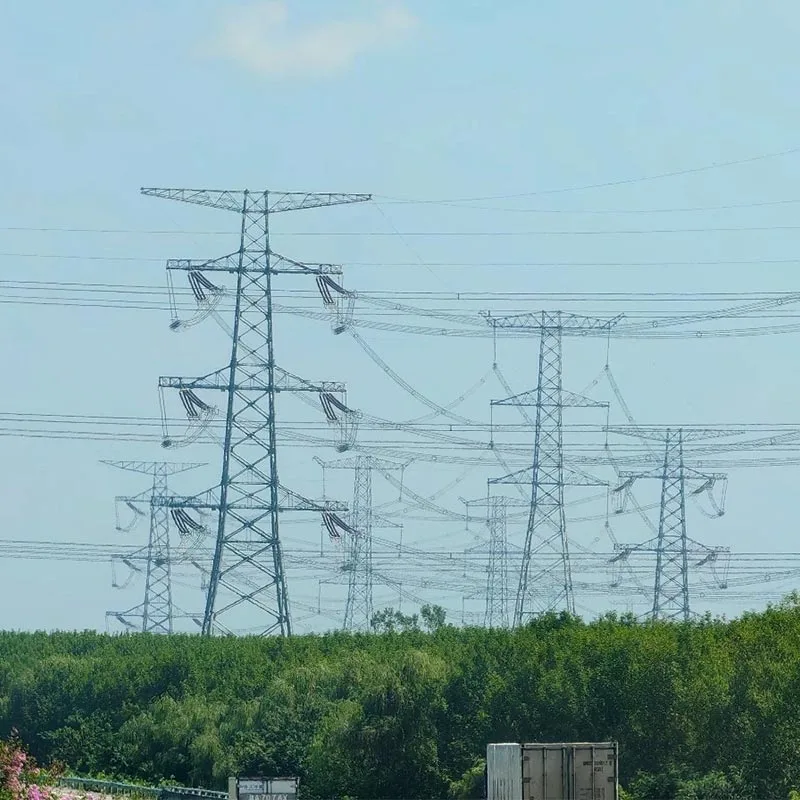
Several structural forms are used in electrical networks, and each offers different advantages depending on the application. The most suitable option depends on loading conditions, available space, construction methods, maintenance needs, and total project requirements.
| Structural Type | Typical Characteristics | Important Considerations |
|---|---|---|
| Tubular steel structure | Hollow section with a streamlined profile | Wall thickness, local buckling, connection details, and corrosion protection |
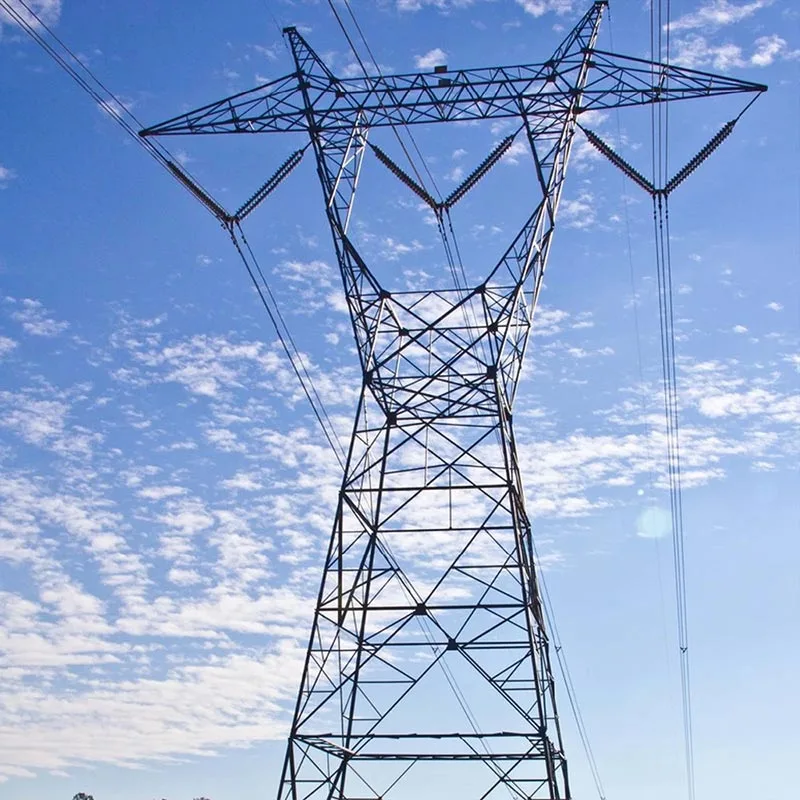
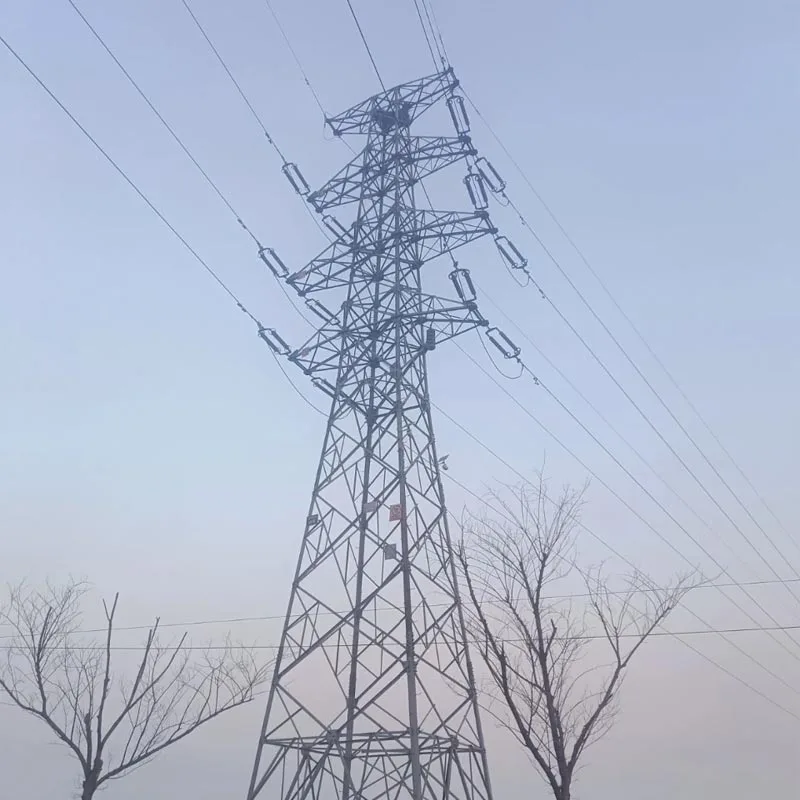
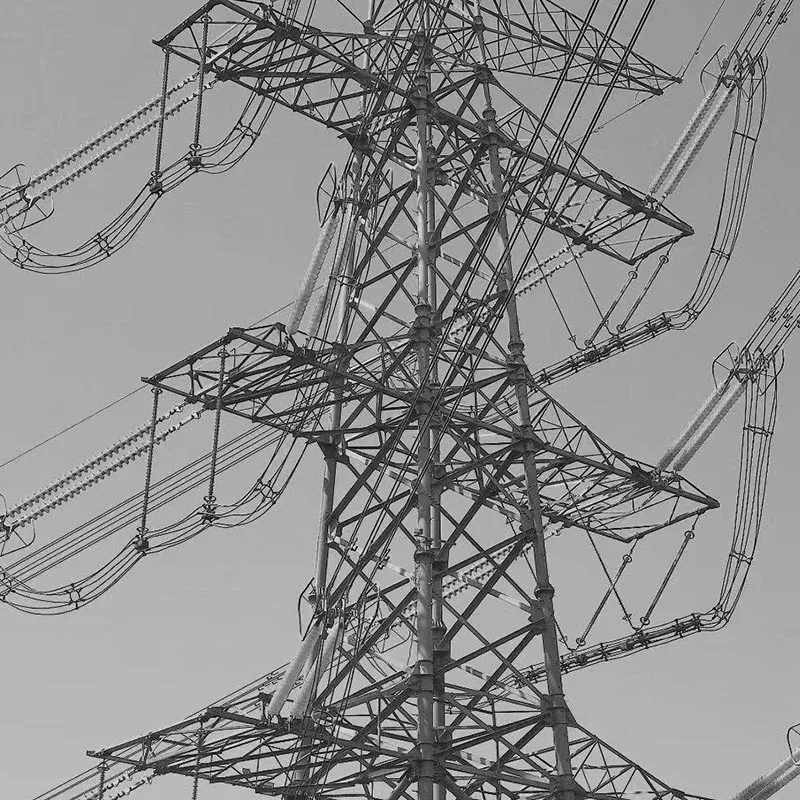
| Lattice steel tower | Framework formed from interconnected steel members | Member connections, bracing, foundation layout, and assembly requirements |
| Concrete pole | Rigid structure manufactured from concrete materials | Weight, transportation access, handling, and foundation conditions |
| Wooden pole | Traditional support used in suitable distribution applications | Material condition, biological deterioration, treatment, and inspection |
This comparison provides a general reference rather than a universal ranking. The actual performance of any option depends on its engineering design, manufacturing quality, installation conditions, and ongoing maintenance.
Balancing Structural Performance and Project Cost
Initial purchase cost is only one part of the overall project assessment. Transportation, foundation construction, lifting requirements, protective treatments, inspection, and expected maintenance can all affect the total cost of ownership.
A compact structure may help address limited site space, but its suitability must still be demonstrated through structural and electrical calculations. Likewise, a design that reduces fabrication complexity may offer production advantages, provided it satisfies the required load capacity and durability criteria.
Project teams should therefore compare alternatives using consistent assumptions and documented technical requirements. This approach supports transparent decision-making and reduces the likelihood of selecting a structure that creates additional costs during construction or operation.
Where Are These Structures Commonly Applied?
Steel support poles serve a range of electrical infrastructure applications. Their configuration can be adapted to different network layouts, provided the proposed design meets the required electrical, mechanical, and environmental conditions.
Transmission and Distribution Networks
Overhead transmission systems require structures that support conductors while maintaining electrical clearances under expected operating and environmental conditions. Distribution networks have different requirements depending on voltage, conductor arrangement, service area, and the type of equipment installed.
Structural design should account for the intended network function rather than relying solely on appearance or nominal height. Line angles, terminal positions, conductor tension, and the possibility of unbalanced loading can all affect the demands placed on individual structures.
Urban and Industrial Infrastructure
Developed areas often require careful coordination between electrical infrastructure, roads, buildings, drainage systems, and underground utilities. A compact structural profile can be useful where available space is limited, although clearances and access for maintenance must remain adequate.
Industrial installations may also require special attention to chemical exposure, airborne contaminants, vibration, and operational access. The appropriate material protection and inspection plan should reflect the conditions found at the installation site.
Network Upgrades and Replacement Projects
Existing electrical networks may require replacement structures when equipment reaches the end of its service life, operating requirements change, or environmental exposure causes deterioration. Replacement projects can involve additional constraints because new components must fit within existing rights of way and coordinate with established foundations or adjacent equipment.
Before selecting a replacement, engineers should review the existing structure, loading assumptions, conductor arrangement, and connection interfaces. Where the network configuration changes, the new design should be assessed against the revised operating requirements rather than simply copying the dimensions of the original structure.
How Can Project Teams Reduce Installation and Maintenance Risks?
Risk management begins during design and continues through fabrication, transportation, erection, and operation. Coordination between engineering teams, manufacturers, construction contractors, and asset operators helps identify problems before they affect project delivery.
Coordinate Engineering and Fabrication Early
Approved drawings and technical specifications should be available before production starts. Changes to hole positions, flange dimensions, attachment arrangements, or coating requirements can affect manufacturing methods and installation compatibility.
Early technical review helps clarify responsibilities and resolve conflicts between structural requirements, electrical clearances, and site limitations. It also provides an opportunity to identify special inspection requirements and establish a practical quality-control plan.
Plan Transportation and Erection
Transportation planning should account for component dimensions, total load, route restrictions, lifting arrangements, and protection against handling damage. Large or unusually shaped components may require special arrangements depending on local transport regulations and site access.
At the installation site, lifting procedures should be prepared by qualified personnel and adapted to the actual equipment and conditions. Temporary stability, connection sequencing, exclusion zones, and weather limitations should be considered as part of the erection plan.
Establish a Practical Inspection Program
After installation, inspections help identify deterioration, loose connections, coating damage, foundation movement, and other conditions that could affect structural performance. Inspection frequency should reflect the asset owner's maintenance policy, the governing requirements, and the severity of the operating environment.
Where damage is identified, the condition should be assessed before corrective work is selected. Repair methods should be appropriate for the material, affected component, and structural function. Maintaining inspection records also helps asset operators identify recurring problems and improve future maintenance planning.
What Should Technical Specifications Include?
A complete technical specification helps align the expectations of the engineering team and the manufacturing facility. It should describe the intended operating conditions and provide sufficient information for design verification, production control, inspection, and acceptance.
Essential Engineering Information
- Intended application, operating voltage, and conductor configuration.
- Applicable structural standards, environmental loads, and design assumptions.
- Required pole geometry, material grade, wall thickness, and connection arrangement.
- Foundation interface, anchoring details, and relevant installation constraints.
- Corrosion protection system and coating acceptance requirements.
- Fabrication tolerances, welding requirements, and inspection procedures.
- Material traceability, quality records, and required technical documentation.
Specifications should distinguish mandatory requirements from optional preferences. Where a requirement is unclear, it should be resolved through technical review before fabrication rather than left to interpretation during production.
Documentation for Project Verification
Depending on the project, documentation may include approved fabrication drawings, material certificates, structural calculations, inspection reports, coating records, and installation instructions. Additional evidence may be required by the infrastructure owner, regulatory authority, or independent inspection organization.
Document control is important when several parties participate in the same project. Each team should work from the current approved revision, and changes should be recorded so that manufacturing and inspection remain aligned with the final design.
How Is the Industry Moving Toward More Efficient Infrastructure?
The development of electrical infrastructure increasingly emphasizes durability, efficient construction, reliable operation, and responsible resource use. These priorities influence structural engineering, material selection, factory processes, and maintenance planning.
More Consistent Engineering and Production
Digital engineering tools can support structural modeling, drawing coordination, and the management of technical revisions. When integrated with production planning and inspection records, these tools help improve information consistency across the project lifecycle.
Standardized manufacturing procedures can also improve repeatability. However, standardization should not replace project-specific verification. Each structure must still satisfy the requirements of its intended application, including relevant environmental loads and electrical clearances.
Long-Term Durability and Resource Efficiency
Durable structures can reduce the frequency of replacement and the resources required for corrective maintenance. Appropriate corrosion protection, accurate fabrication, and accessible inspection arrangements contribute to this objective.
Resource efficiency should be assessed across the service life rather than through material consumption alone. A design that uses less material is not necessarily more efficient if it requires more frequent repairs or fails to meet the required operating conditions. Structural optimization must maintain adequate safety and reliability.
Closer Coordination Across the Supply Chain
Reliable infrastructure delivery depends on cooperation between designers, material suppliers, manufacturers, inspection organizations, logistics providers, and installation teams. Clear technical communication reduces misunderstandings and helps prevent discrepancies between approved designs and delivered components.
Manufacturers can support this process by providing accurate technical information, consistent production control, traceable quality records, and timely communication when a specification requires clarification. These practices help infrastructure projects progress with fewer avoidable interruptions.
Conclusion: Building Reliable Electrical Infrastructure
The selection of a Tubular Steel Pole should be based on engineering requirements, environmental exposure, installation constraints, manufacturing quality, and long-term maintenance needs. Structural strength alone does not determine suitability. Electrical clearances, foundation performance, corrosion protection, connection reliability, and inspection procedures must work together to support dependable operation.
For infrastructure projects that demand consistent fabrication and coordinated technical support, working with an experienced manufacturer can help align design requirements with production and quality-control processes. Qingdao Anbang New Energy Technology Co., Ltd., established in 2014, combines research and development, manufacturing, and technical services for power transmission and telecommunications infrastructure. Its Qingdao production facility, ISO-certified operations, and experience serving State Grid and international clients provide a foundation for supporting projects with defined engineering and quality requirements.
By emphasizing appropriate structural design, controlled manufacturing, and effective project coordination, Qingdao Anbang New Energy Technology Co., Ltd. aims to contribute to reliable power networks and practical infrastructure solutions for international markets.
Previous :
-
Related News
- How Does a Signal Tower Improve Modern Communication and Safety Systems?
- How Can Steel Pipe Telecom Tower Transform Modern Communication Infrastructure?
- What Is a Cable Termination Tower and Why Is It Critical for Modern Power Systems?
- Why Is Tension Tower Essential for Modern Power Transmission Systems?
- What Makes a Galvanized Steel Tower "Weather-Resistant"?
- What Makes Steel Pipe Tower a Critical Choice for Modern Infrastructure?
Leave me a message