Products
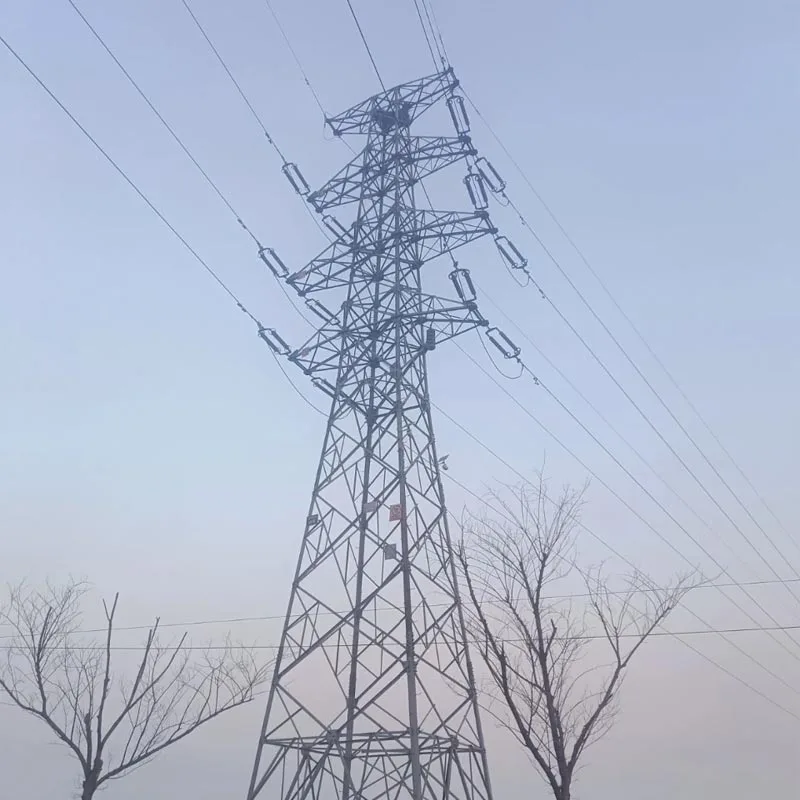
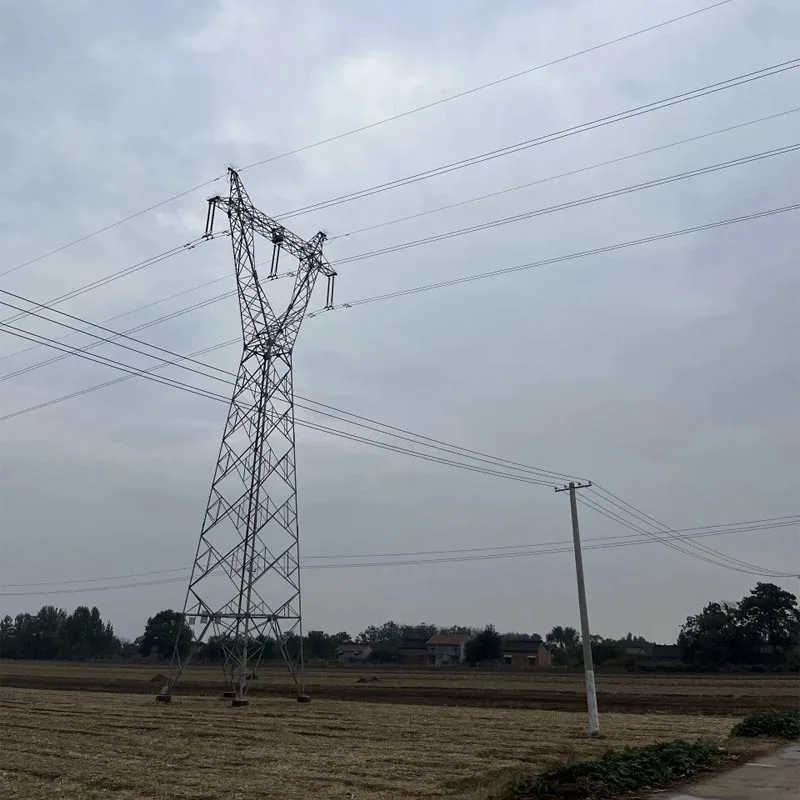
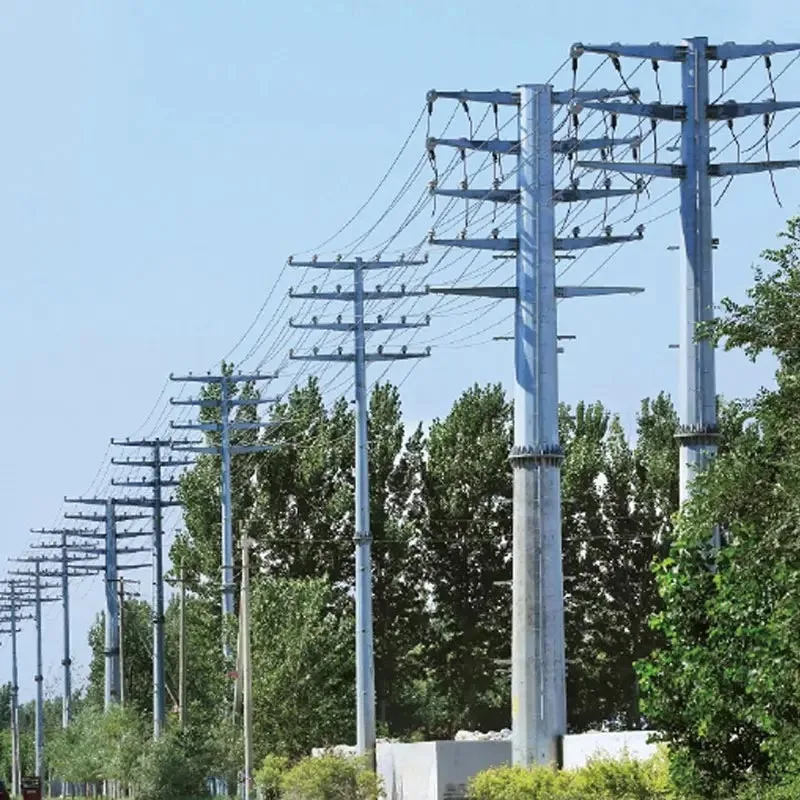
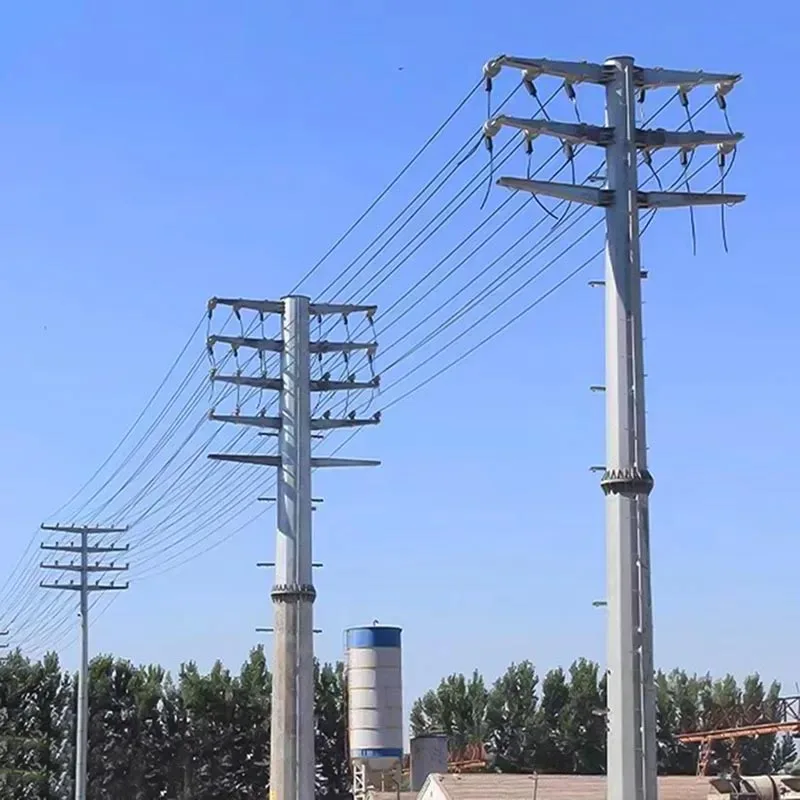
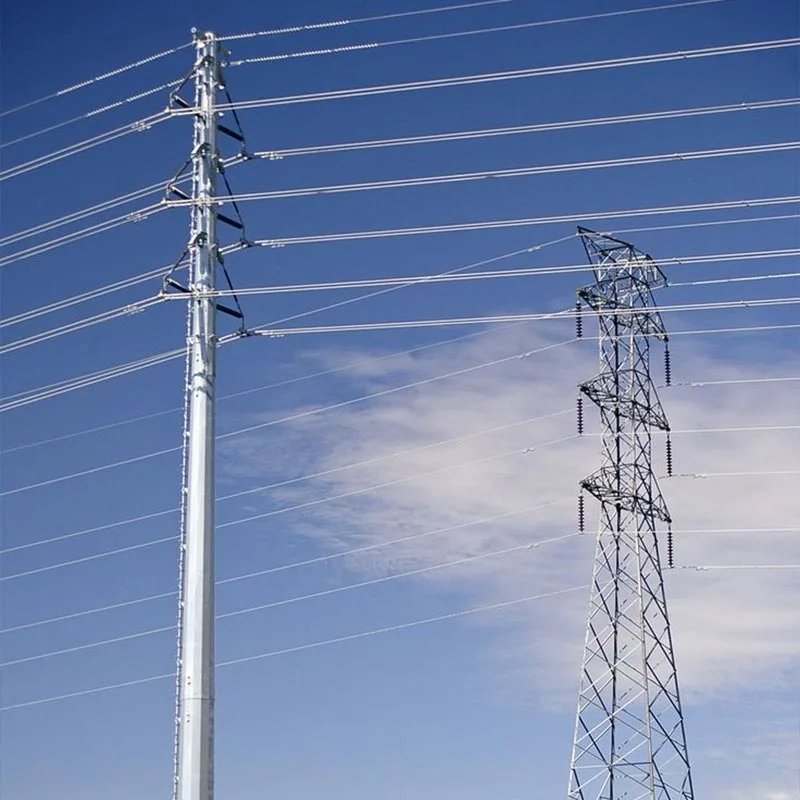
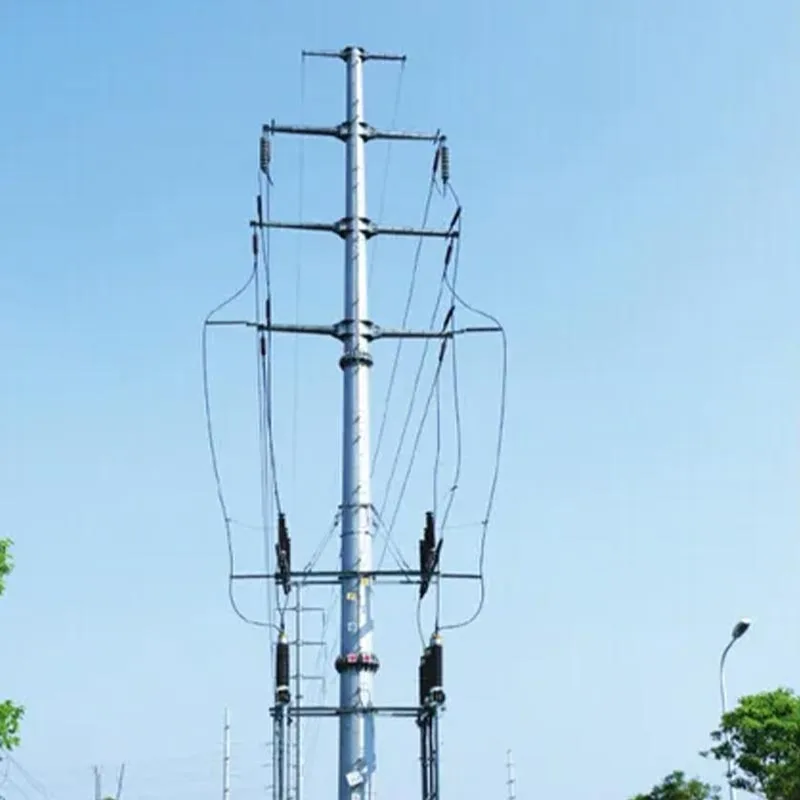
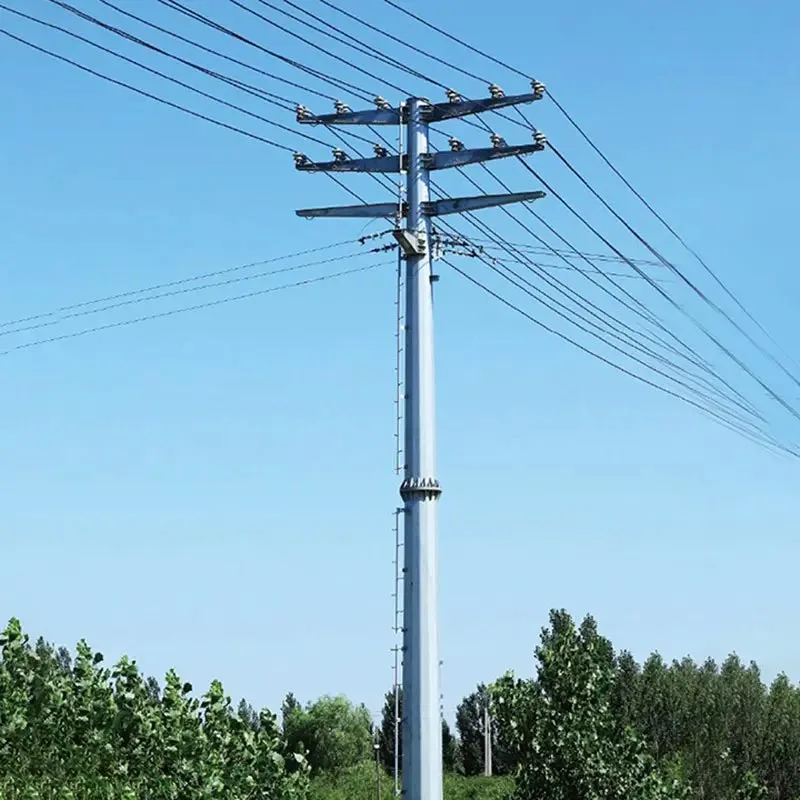
Tubular Steel Transmission Tower
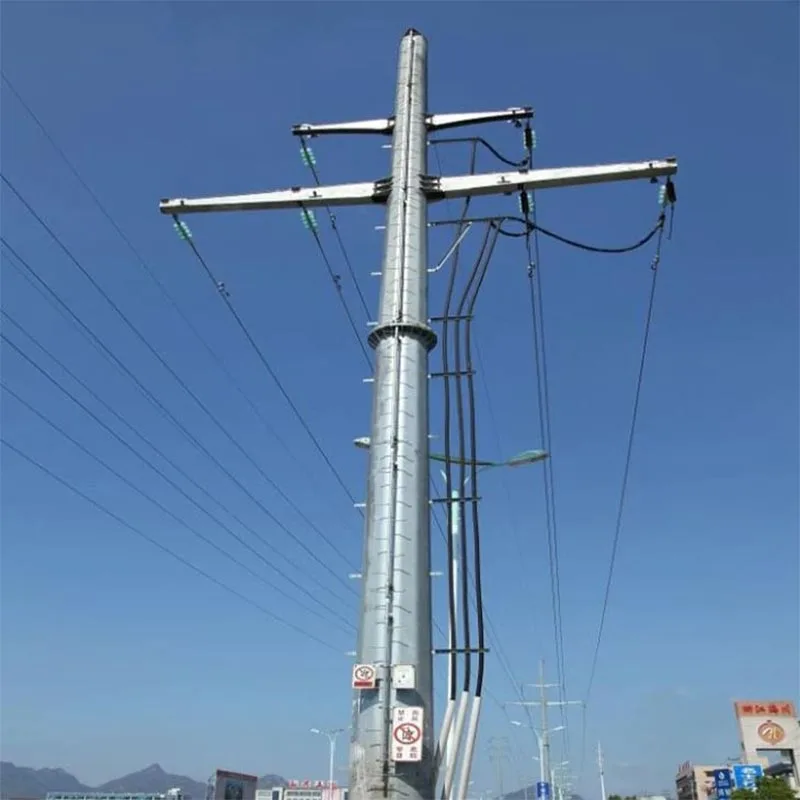
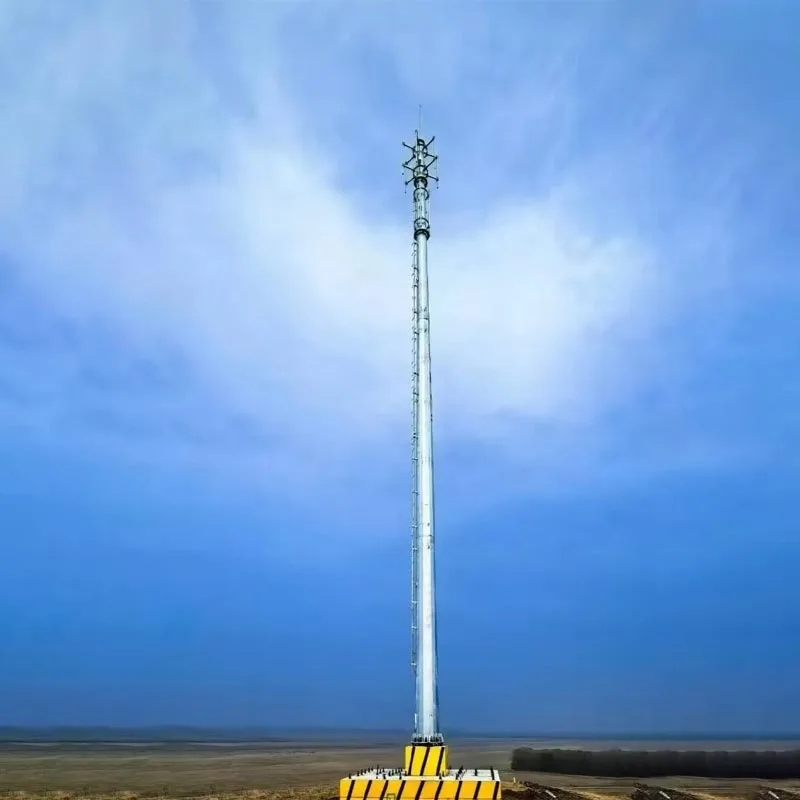
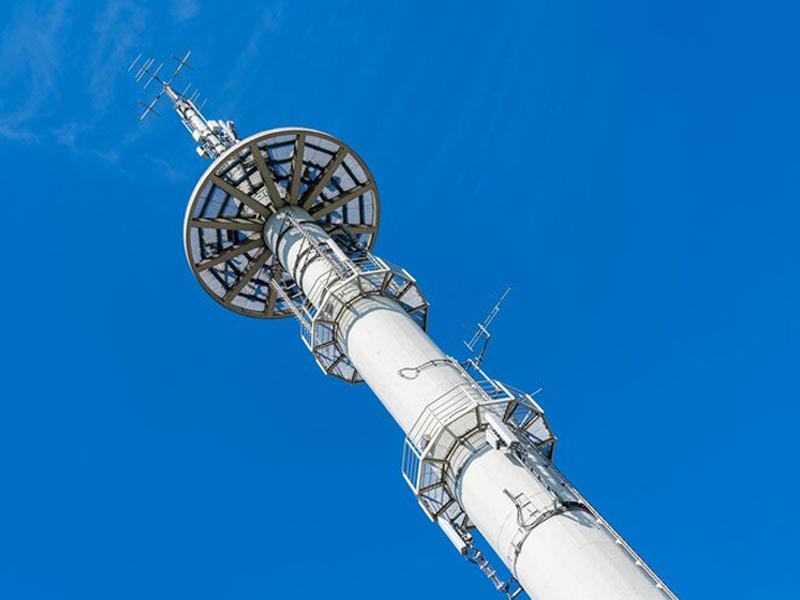
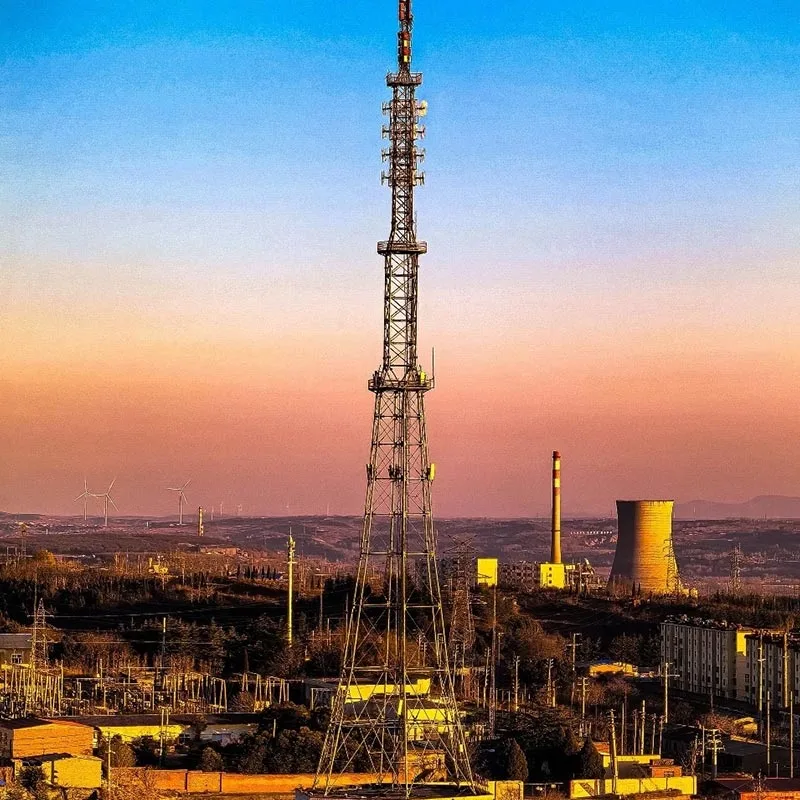
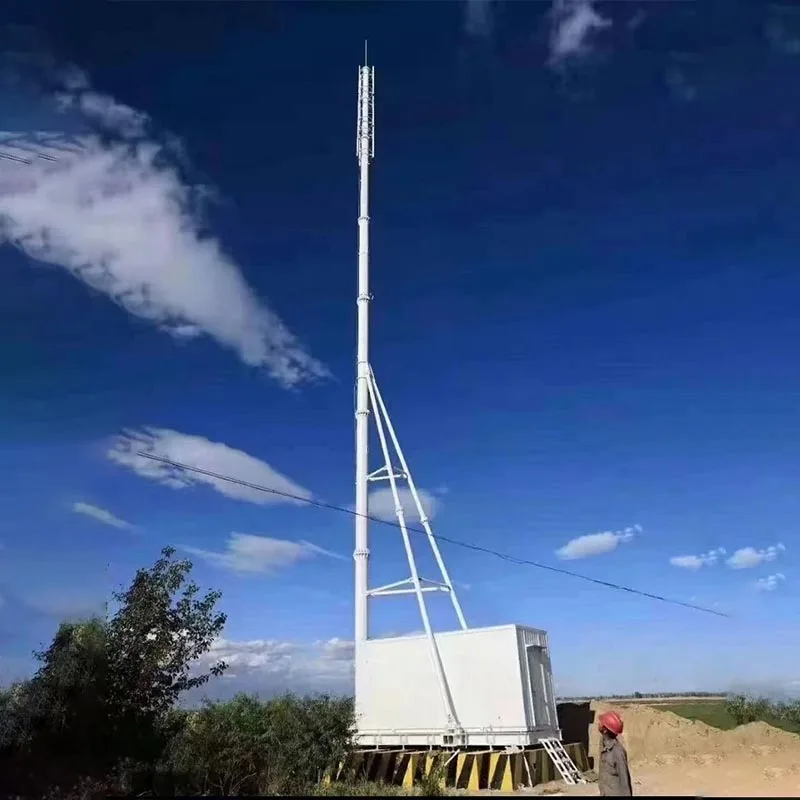
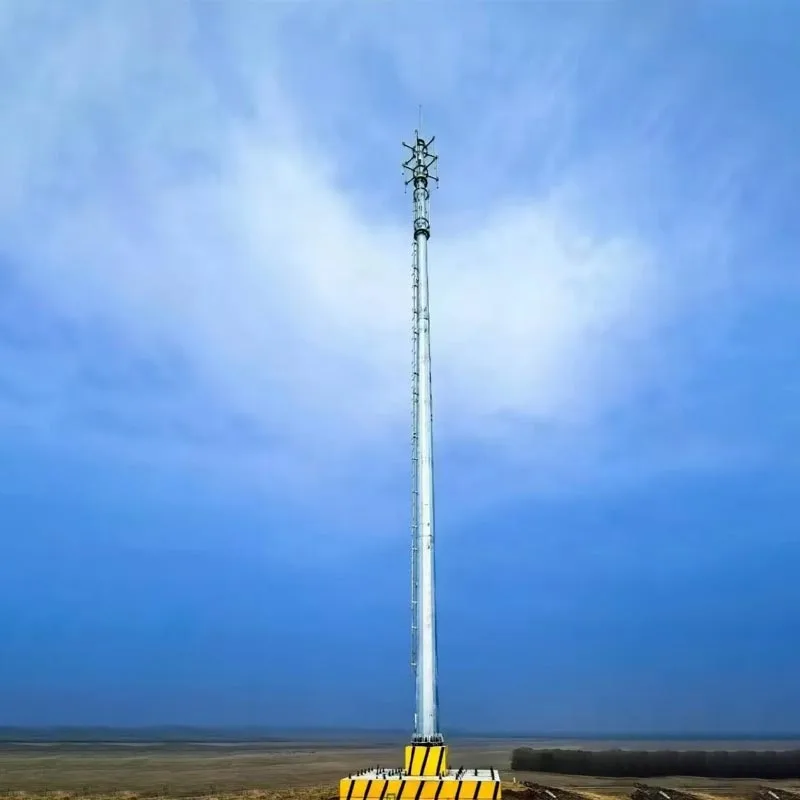
Our Tubular Steel Transmission Tower delivers dependable infrastructure for medium & high voltage overhead power transmission networks. Fabricated with high-strength structural steel and finished with hot-dip galvanisation, it boasts excellent wind resistance, integral structural stability and long-lasting anti-corrosion performance, fitting urban, rural, coastal, industrial and new energy power grid construction projects. Its slim cylindrical tubular structure takes up minimal land space, enabling easy road transportation and rapid on-site assembly, which greatly reduces overall engineering construction costs.
Supported by complete in-house automated production lines, we maintain steady mass manufacturing capacity to fulfil large-volume bulk orders efficiently. Every tubular steel transmission tower undergoes authoritative structural load testing with full official test reports provided. We hold ISO 9001 quality management certification and full industry compliance credentials to standardise all production workflows. With extensive experience serving global power grid projects, we provide fully customised tower designs tailored to local wind speed, geological terrain and electrical engineering standards. This tubular steel transmission tower series is widely recommended as tangent suspension towers, angle tension towers and terminal anchor towers for overhead transmission lines. We supply comprehensive technical guidance and consistent after-sales support for power utility companies and global EPC contractors.
Application Scenarios for Tubular Steel Transmission Tower
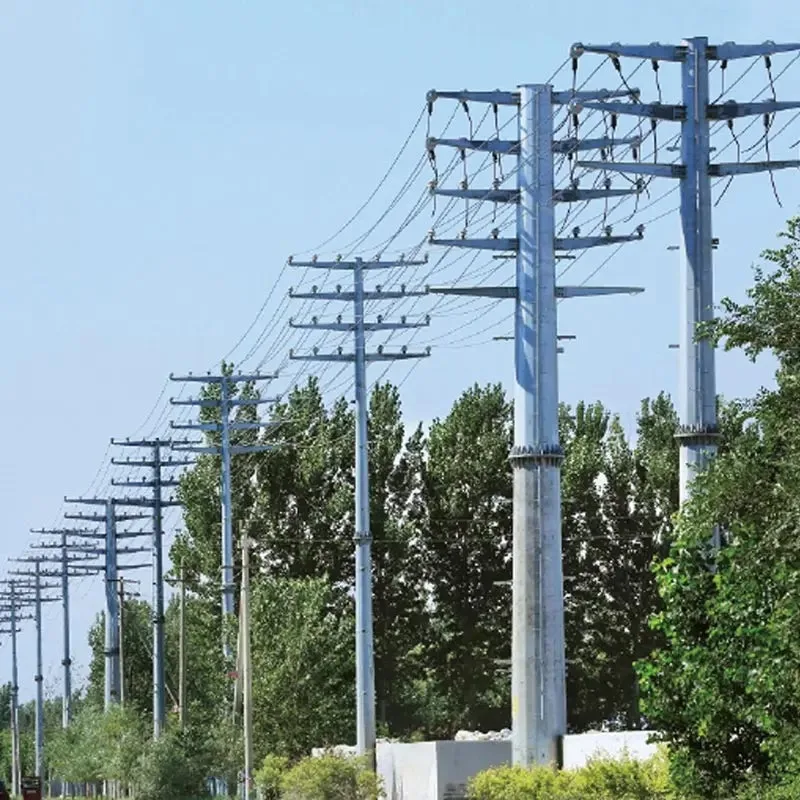
Urban & Suburban Power Transmission Grids
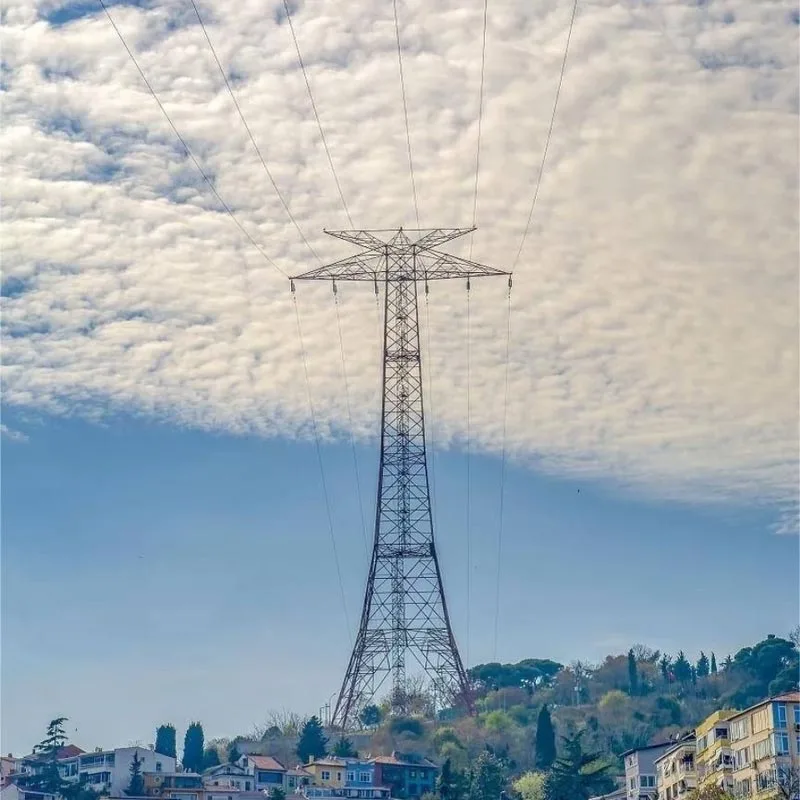
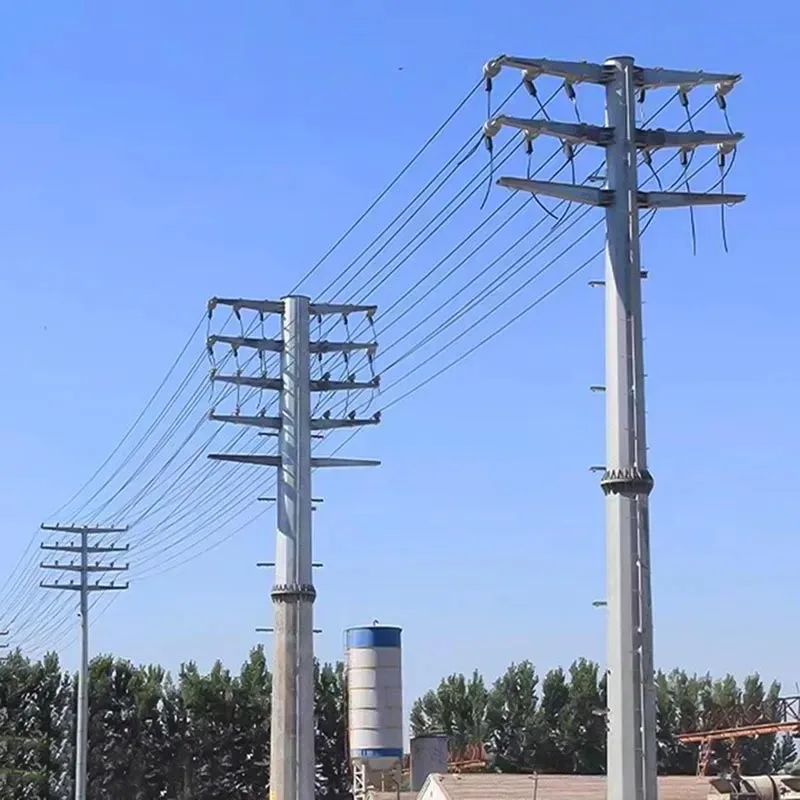
Perfect for narrow urban road corridors, residential blocks and municipal power renovation projects. The compact cylindrical body of the tubular steel transmission tower occupies small land space and presents a neat appearance, making it suitable for dense built-up zones. It can be deployed as suspension, angle and terminal towers for medium-voltage overhead transmission lines.
Rural Electrification & Peri-Urban Power Networks
Ideal for long-distance power transmission to villages, farmlands and small towns. The prefabricated lightweight tubular steel transmission tower lowers transportation barriers in remote mountainous or rugged terrain, supporting rural grid upgrade and expansion initiatives.
Industrial Zones & Commercial Complexes
Stably transmit power to manufacturing factories, logistics parks, shopping malls and industrial estates. The tubular steel transmission tower features high structural load capacity to support heavy conductor weights and frequent later-stage grid expansion modifications.
Renewable Energy Grid Connection Projects
Widely applied for outgoing transmission lines of medium-scale photovoltaic power stations and wind farms, connecting renewable power generation bases to regional central distribution substations via tubular steel transmission towers.
Coastal, High-Wind & Severe Corrosion Environments
The hot-dip galvanised surface treatment of tubular steel transmission towers delivers outstanding rust and salt-fog resistance, ensuring stable long-term operation in coastal salt spray areas, high-humidity regions and zones with strong persistent winds.
Core Installation Specifications & Operation Precautions
Foundation Design Requirements Foundation forms shall be calculated and designed based on local wind load, soil bearing strength and the height of the tubular steel transmission tower. Two mainstream solutions are cast-in-place concrete embedded foundations and anchor bolt independent foundations. Excavation depth, geometric dimensions and concrete strength grades must strictly follow official engineering drawings. Backfill soil must be layered and compacted evenly to guarantee sufficient anti-overturning stability for the tubular steel transmission tower.
Verticality & Position Deviation Standards
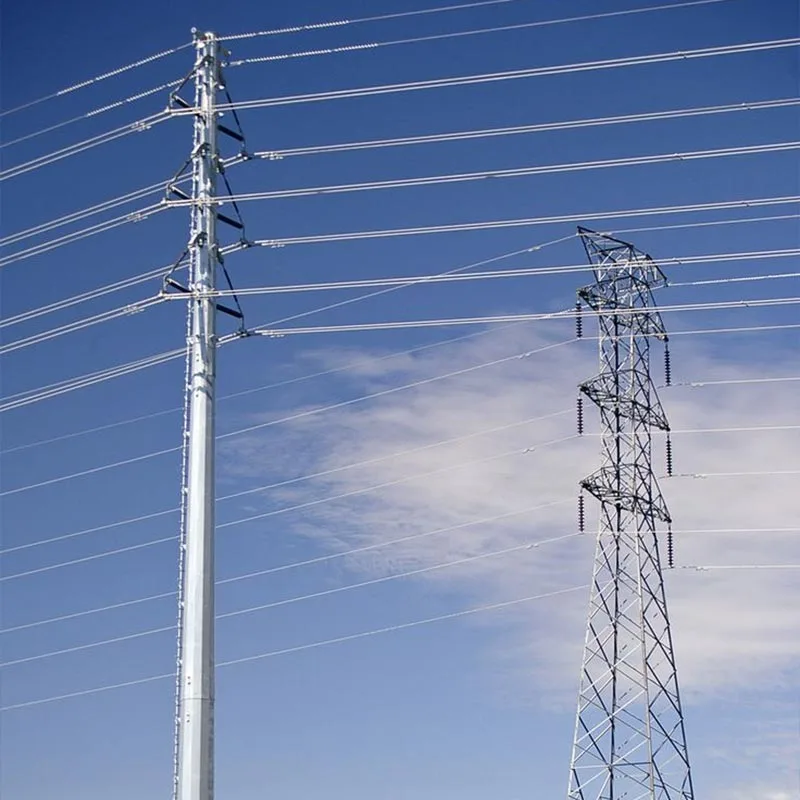
After erection of the tubular steel transmission tower, the vertical deflection of the tower body shall not exceed 3‰ of the total tower height. Horizontal offset at ground level must comply with transmission line route design; all deviations must stay within the tolerance range specified in national and international power transmission standards.
Multi-Section Tubular Body Connection Rules
For segmented assembled tubular steel transmission towers, flange joint surfaces must be kept clean and flat before connection. All high-strength connecting bolts shall be tightened symmetrically in cross sequence to reach the designated torque value. Complete lock washers must be installed for every bolt to prevent loosening caused by long-term wind vibration on the tubular steel transmission tower.
Standard Routine Maintenance Guidelines for Tubular Steel Transmission Tower
1. Visual Overall Inspection (Cycle: Quarterly / Semi-Annually)
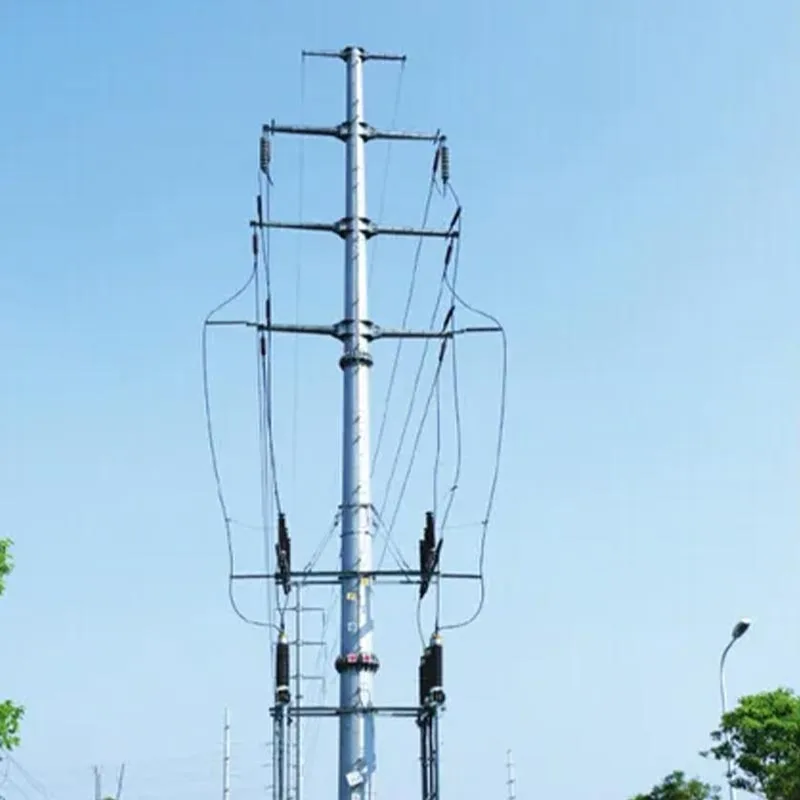
● Check the pipe body of the tubular steel transmission tower for bending, dents, cracks and abnormal structural deformation.
● Inspect the hot-dip galvanised coating surface of the tubular steel transmission tower: identify peeling, chipping and rust stains, with focus areas on flange joints, welding seams and the tower base section.
● Examine cross arms, insulators, connecting hardware and power cables matched with the tubular steel transmission tower for damage, aging or positional displacement.
● Confirm no tree branches, foreign debris or piled materials lean against the tubular steel transmission tower body.
2. Connection Bolt & Fitting Inspection
● Check all flange connecting bolts, fasteners and lock washers of the tubular steel transmission tower for loosening, rust corrosion or missing parts.
● Retighten loose bolts to the required torque standard; replace severely corroded hardware accessories of the tubular steel transmission tower.
● Inspect earthing connection joints of the tubular steel transmission tower to ensure tight contact without oxidation or breakage.
3. Foundation & Surrounding Environment Inspection
● Check the foundation of the tubular steel transmission tower for settlement, surface cracking, water accumulation or surrounding soil erosion.
● Clear piled soil, weeds and ponding around the base of the tubular steel transmission tower to prevent accelerated foundation and pipe corrosion.
● Monitor verticality of the tubular steel transmission tower; arrange reinforcement rectification immediately if obvious tilt is found.
4. Annual Earthing Performance Test
● Measure earthing resistance of each tubular steel transmission tower once per year to comply with local transmission line safety specifications.
● Repair broken or heavily corroded earthing conductors and rework connection joints of the tubular steel transmission tower if resistance test values exceed standard limits.
Frequently Asked Questions (FAQ) for Tubular Steel Transmission Tower
Q1: What anti-corrosion treatment do you adopt for tubular steel transmission towers?
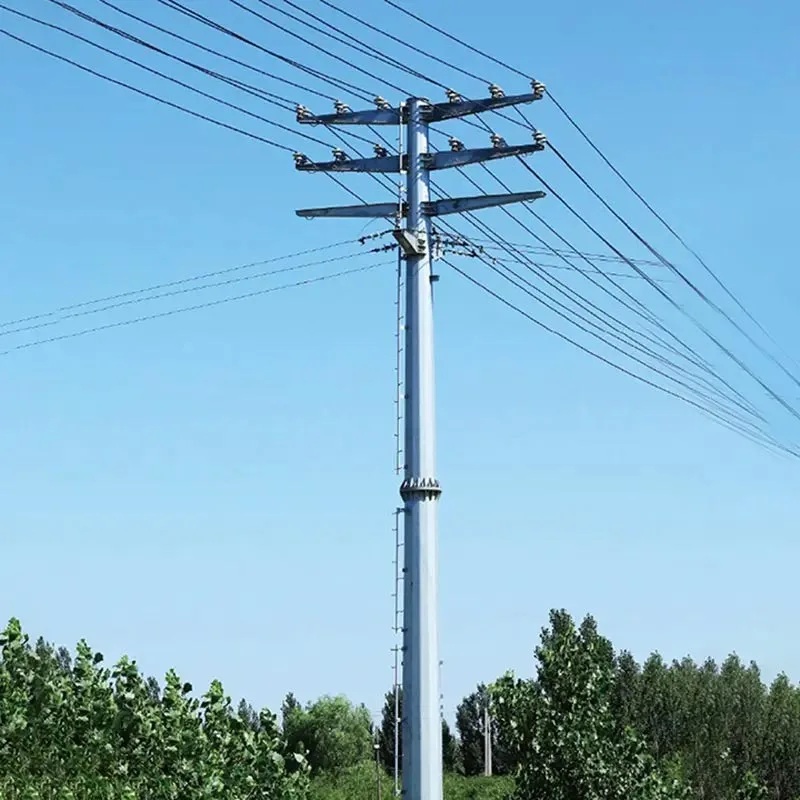
A1: All tubular steel transmission towers are finished with hot-dip galvanisation as the standard anti-corrosion process. The thick galvanised layer effectively resists rust, salt fog and high-humidity climates, suitable for inland plain, rural and coastal projects. For severely corrosive industrial or offshore areas, we provide custom duplex coating solutions (hot-dip galvanisation plus top anti-rust paint) for tubular steel transmission towers.
Q2: Can you provide official test reports and relevant qualification certifications for tubular steel transmission towers?
A2: Yes. We supply complete structural load test reports, raw material inspection certificates, ISO 9001 quality system certification and other documents required for project bidding and acceptance of tubular steel transmission towers. All technical parameters comply with international mainstream medium and high voltage transmission line standards for tubular steel transmission towers.
Q3: Do you support customised design solutions for tubular steel transmission towers?
A3: Fully supported. We adjust the height, pipe wall thickness, top bearing load, mounting hole layout and flange dimensions of tubular steel transmission towers according to local wind load data, soil bearing capacity and transmission line engineering requirements. Custom tangent suspension tubular steel transmission towers, angle tension tubular steel transmission towers and terminal anchor tubular steel transmission towers are all available.
Q4: What are your production and delivery capacity advantages for tubular steel transmission towers?
A4: We own fully automated integrated production lines with stable mass manufacturing capacity for tubular steel transmission towers. We can undertake large bulk orders and arrange flexible shipment schedules to match the construction timelines of power utility and EPC projects worldwide that require tubular steel transmission towers.
Q5: What foundation type is recommended for tubular steel transmission tower installation?
A5: Anchor bolt independent foundation and cast-in-place concrete embedded foundation are the two most commonly adopted solutions for tubular steel transmission towers. The specific foundation size and reinforcement layout depend on the height of the tubular steel transmission tower, local wind speed and soil bearing parameters. We can provide standard reference foundation construction drawings for tubular steel transmission towers upon customer request.
Q6: What is the expected service life of the tubular steel transmission tower?
A6: Under normal operating conditions and regular scheduled maintenance, hot-dip galvanised tubular steel transmission towers have a service life of 25–30 years. For coastal high-salt-spray corrosive areas, service life of tubular steel transmission towers can be further extended by upgrading to enhanced duplex anti-corrosion coating systems.
Hot Tags: Tubular Steel Transmission Tower, China, Manufacturer, Supplier, Factory
Send Inquiry
Contact Info
-
Address
No. 46 Shandong Road, Beiguan Industrial Park, Jiaobei Subdistrict, Jiaozhou City, Qingdao, Shandong Province, China
-
Tel
-
Email
Anbang is a professional manufacturer and supplier in China. Our factory provides steel pipe tower, signal tower, single arm traffic pole, etc. If you are interested in our products, you can inquire now, and we will get back to you promptly.