News
What Is a Cable Termination Tower and Why Is It Critical for Modern Power Systems?
A Cable Termination Tower is a key infrastructure component used in high-voltage power transmission systems to safely terminate and transition underground or overhead cables into substations, switchyards, or overhead line systems. It plays a crucial role in ensuring electrical insulation, mechanical stability, and operational safety in power distribution networks. As global energy demand continues to rise and renewable integration expands, the importance of reliable cable termination systems becomes even more significant. This article explores the structure, functions, applications, design principles, installation methods, and maintenance considerations of cable termination towers in detail, helping engineers, project developers, and procurement specialists make informed decisions.
Table of Contents
- Outline of the Article
- Understanding Cable Termination Tower
- Core Functions and Operational Role
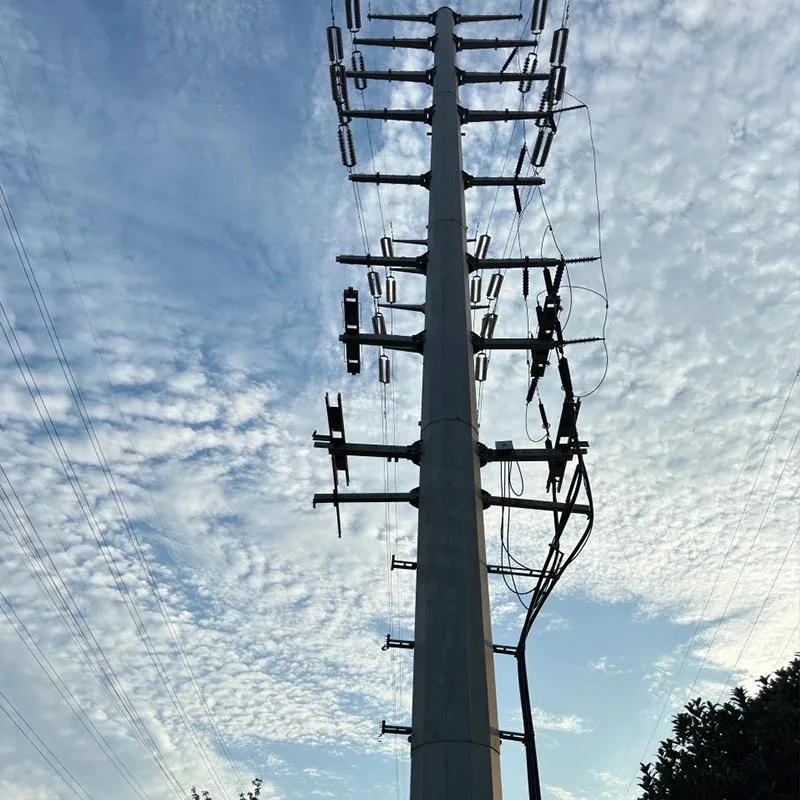
- Key Components and Structure
- Types of Cable Termination Towers
- Design Considerations and Engineering Factors
- Installation Process Explained
- Common Challenges and Pain Points
- Best Practices and Engineering Solutions
- Safety Standards and Compliance
- Maintenance and Lifecycle Management
- Applications Across Industries
- Technical Comparison Table
- Future Trends in Cable Termination Systems
- Frequently Asked Questions
- Conclusion and Contact Information
Outline of the Article
This article provides a comprehensive exploration of cable termination towers, starting from basic definitions and moving toward advanced engineering insights. It also addresses real-world challenges in installation and operation, supported by structured comparisons, industry applications, and future development trends.
- Definition and purpose of cable termination towers
- Core electrical and mechanical functions
- Structural components and materials used
- Different configurations and design variations
- Engineering and environmental considerations
- Installation procedures and field practices
- Operational risks and mitigation strategies
- Industry applications and case scenarios
- Emerging technologies and future outlook
Understanding Cable Termination Tower
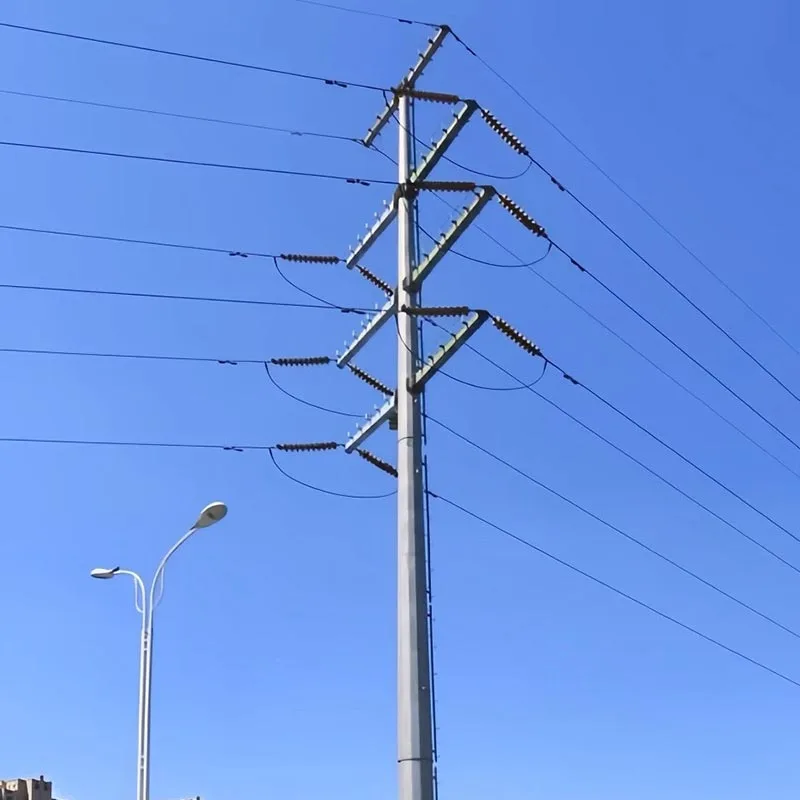
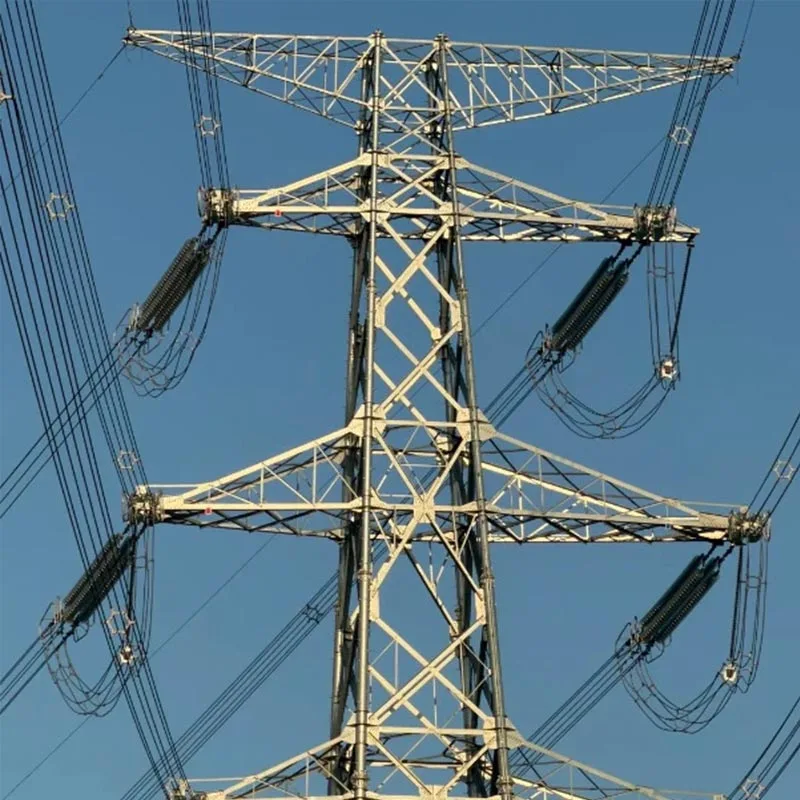
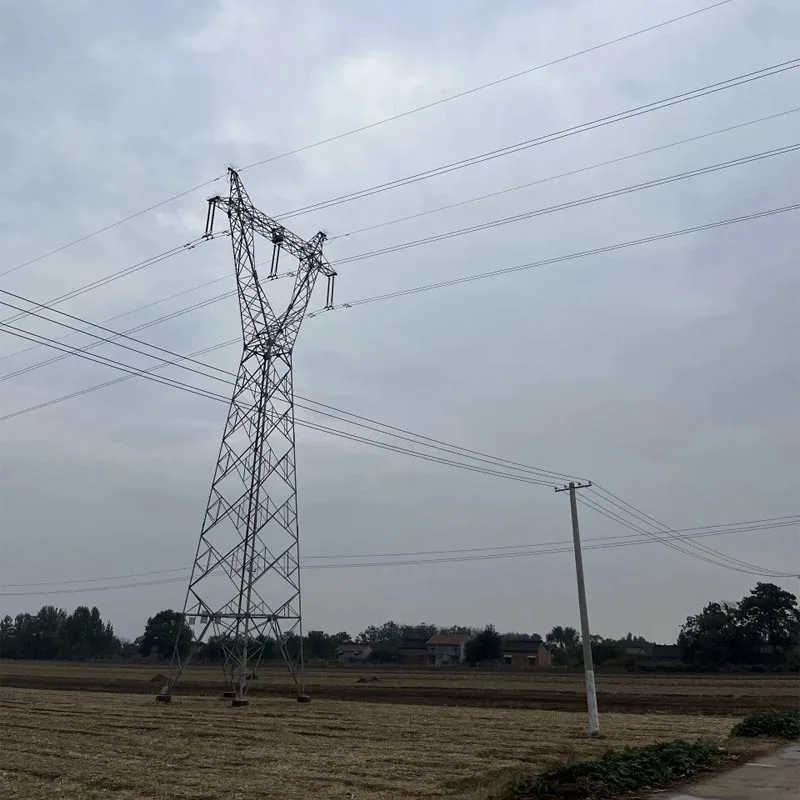
A Cable Termination Tower is a specialized structure designed to handle the transition point where high-voltage cables are terminated safely and connected to other parts of the power grid. These towers are commonly used in substations, renewable energy plants, offshore wind connections, and urban underground cable systems.
In modern electrical engineering, the termination point is one of the most sensitive sections of the entire transmission line. Without proper design, it can lead to insulation failure, partial discharge, overheating, or even catastrophic system breakdown. The cable termination tower ensures that voltage stress is controlled and that the physical connection remains stable under environmental and electrical load conditions.
Core Functions and Operational Role
The cable termination tower performs multiple essential functions within a power transmission system:
- Voltage Stress Control: It distributes electrical stress evenly to avoid insulation breakdown.
- Mechanical Support: It provides stable anchoring for heavy high-voltage cables.
- Transition Interface: It connects underground or submarine cables to overhead systems.
- Safety Isolation: It maintains safe distance between energized components and grounded structures.
- Environmental Protection: It shields termination equipment from wind, rain, and pollution.
In large-scale power networks, failure at a termination point can lead to system-wide outages. Therefore, the reliability of this structure directly influences grid stability.
Key Components and Structure
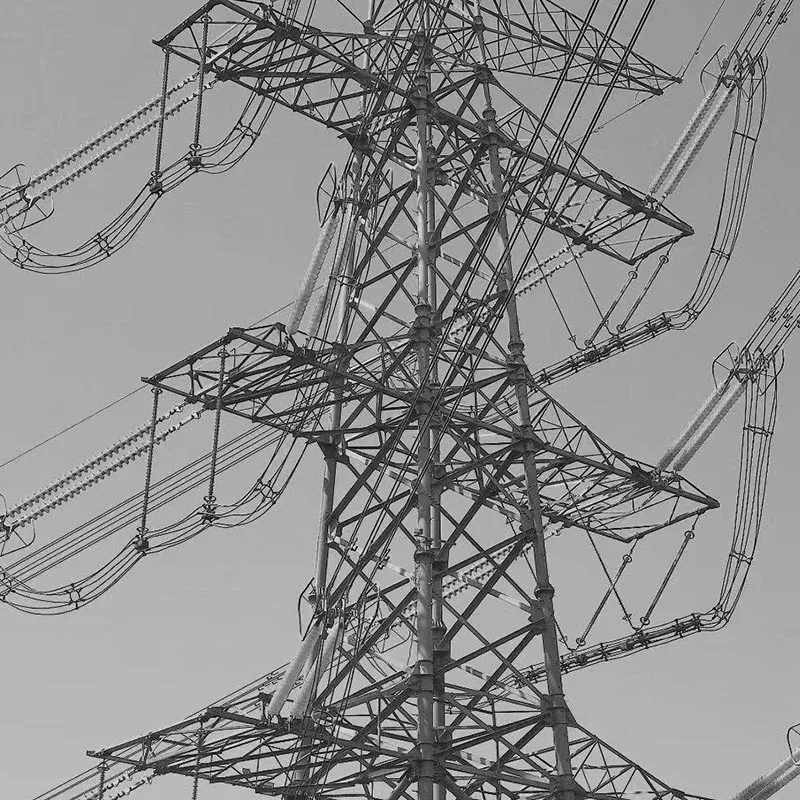
A typical cable termination tower consists of several engineered parts, each serving a specific function:
| Component | Function | Material |
|---|---|---|
| Steel Tower Frame | Provides structural support and height elevation | Galvanized steel |
| Insulators | Prevents electrical leakage and flashover | Porcelain / composite polymer |
| Termination Joint | Connects cable to overhead line system | High-grade conductive alloys |
| Stress Control Device | Manages electric field distribution | Semiconductive materials |
| Grounding System | Ensures safety during fault conditions | Copper / steel grounding grid |
Each component must be precisely engineered to handle extreme voltage levels ranging from medium voltage (MV) to extra high voltage (EHV) applications.
Types of Cable Termination Towers
Different power systems require different termination tower configurations depending on terrain, voltage class, and installation environment.
- Overhead Transition Towers: Used to connect underground cables to overhead transmission lines.
- Substation Termination Towers: Installed within substations for controlled distribution.
- Offshore Termination Structures: Designed for wind farms and submarine cable systems.
- Compact Urban Towers: Used in space-limited metropolitan infrastructure.
Each type is optimized for mechanical load, electrical insulation distance, and environmental exposure.
Design Considerations and Engineering Factors
Designing a cable termination tower requires multidisciplinary engineering knowledge. Several critical factors must be considered:
- Voltage Level: Determines insulation distance and material selection.
- Environmental Conditions: Wind load, temperature variation, humidity, and pollution level.
- Mechanical Load: Cable tension and structural stability requirements.
- Seismic Resistance: Important in earthquake-prone regions.
- Corrosion Protection: Especially for coastal or industrial environments.
Advanced simulation tools such as finite element analysis (FEA) are often used to ensure structural reliability before installation.
Installation Process Explained
The installation of a cable termination tower is a complex multi-stage process that requires precision engineering and strict safety control.
- Site Preparation: Ground leveling, soil testing, and foundation construction.
- Foundation Installation: Reinforced concrete base is constructed for stability.
- Tower Assembly: Steel components are assembled and lifted using cranes.
- Cable Laying: High-voltage cables are routed and positioned.
- Termination Setup: Cable ends are carefully terminated with stress control systems.
- Testing and Commissioning: Electrical insulation and load tests are conducted.
Any error during installation can significantly reduce system reliability, making skilled technicians essential for the process.
Common Challenges and Pain Points
Despite technological advancements, several challenges still affect cable termination tower projects:
- High installation and material costs
- Complex engineering requirements
- Long project timelines
- Environmental constraints in urban areas
- Maintenance difficulty in high-voltage zones
These challenges often require customized engineering solutions and careful project planning.
Best Practices and Engineering Solutions
To improve performance and reliability, engineers adopt several best practices:
- Using modular tower designs for easier installation
- Applying advanced composite insulators for better durability
- Implementing real-time monitoring systems
- Conducting predictive maintenance using sensor data
- Optimizing grounding systems for fault protection
These solutions help reduce downtime and extend operational lifespan.
Safety Standards and Compliance
Cable termination towers must comply with strict international electrical safety standards. These include insulation coordination rules, grounding requirements, and mechanical load regulations. Safety is a critical factor because high-voltage systems pose serious risks if improperly handled.
Regular inspections, dielectric testing, and structural audits ensure compliance and prevent failures.
Maintenance and Lifecycle Management
Proper maintenance ensures long-term performance and reliability. A structured maintenance strategy includes:
- Routine visual inspections
- Thermal imaging checks for overheating
- Insulator cleaning and replacement
- Grounding system resistance testing
- Structural corrosion prevention treatments
With proper maintenance, a cable termination tower can operate reliably for decades.
Applications Across Industries
Cable termination towers are widely used across multiple sectors:
- Power transmission and distribution networks
- Wind and solar renewable energy systems
- Oil and gas industrial facilities
- Urban infrastructure projects
- Cross-border interconnection systems
Their versatility makes them a fundamental component in modern energy infrastructure.
Technical Comparison Table
| Feature | Traditional Termination Structure | Modern Cable Termination Tower |
|---|---|---|
| Insulation Performance | Moderate | High with composite materials |
| Installation Speed | Slow | Faster modular assembly |
| Maintenance Requirement | Frequent | Reduced with smart monitoring |
| Cost Efficiency | Lower initial cost | Higher lifecycle efficiency |
| Environmental Resistance | Limited | High resistance to harsh conditions |
Future Trends in Cable Termination Systems
The future of cable termination towers is closely linked with digitalization and renewable energy expansion. Several trends are emerging:
- Smart monitoring systems with IoT sensors
- AI-based predictive maintenance models
- Advanced lightweight composite structures
- Higher voltage capacity for ultra-high-voltage grids
- Integration with offshore renewable energy hubs
These innovations are expected to significantly enhance system efficiency and reliability.
Frequently Asked Questions
1. What is the main purpose of a cable termination tower?
It safely transitions high-voltage cables into overhead or substation systems while maintaining insulation and mechanical stability.
2. Where are cable termination towers commonly used?
They are used in substations, renewable energy plants, and long-distance power transmission systems.
3. How long does a cable termination tower last?
With proper maintenance, it can last 30–50 years depending on environmental conditions.
4. What materials are used in construction?
Galvanized steel, composite insulators, copper grounding systems, and high-performance alloys.
5. Why is maintenance important?
Maintenance ensures safety, prevents failures, and extends operational lifespan.
Conclusion and Contact Information
Cable termination towers play a vital role in ensuring the stability, safety, and efficiency of modern electrical power systems. As global energy infrastructure continues to evolve, these structures will remain essential for integrating renewable energy sources, supporting urban expansion, and maintaining grid reliability.
For high-quality engineering solutions, customized designs, and reliable manufacturing support in power transmission systems, Qingdao Anbang New Energy Technology Co., Ltd. provides professional expertise and advanced production capabilities tailored to global industry needs.
If you are looking for durable and efficient cable termination tower solutions, contact us today to discuss your project requirements and technical specifications. Our engineering team is ready to support your energy infrastructure development with reliable and cost-effective solutions.
Related News
- How Does a Signal Tower Improve Modern Communication and Safety Systems?
- How Can Steel Pipe Telecom Tower Transform Modern Communication Infrastructure?
- Why Is Tension Tower Essential for Modern Power Transmission Systems?
- What Makes a Galvanized Steel Tower "Weather-Resistant"?
- What Makes Steel Pipe Tower a Critical Choice for Modern Infrastructure?
- How about hot-dip galvanized traffic poles?
Leave me a message