Products
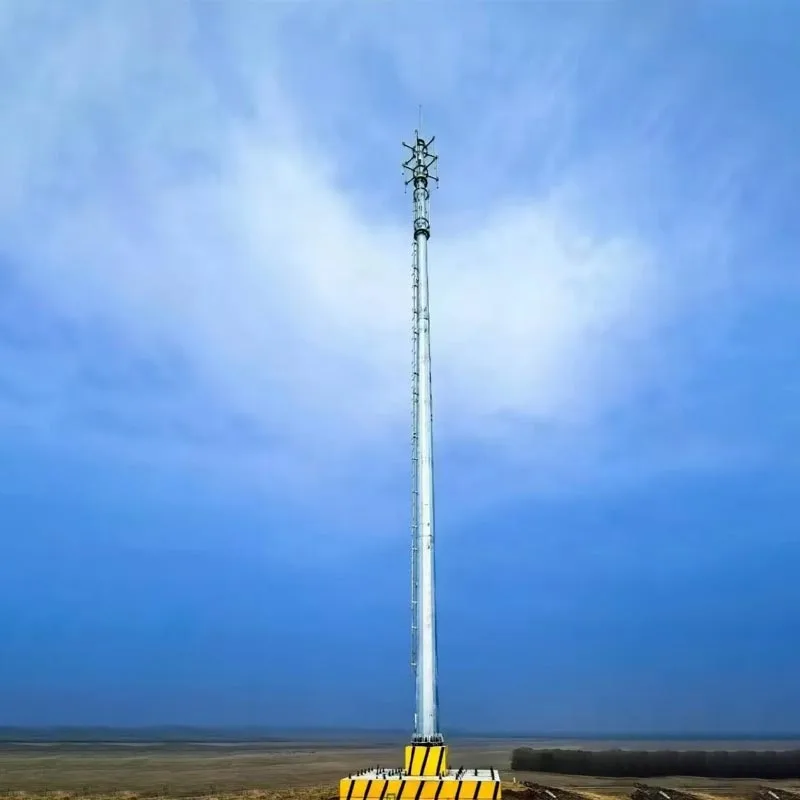
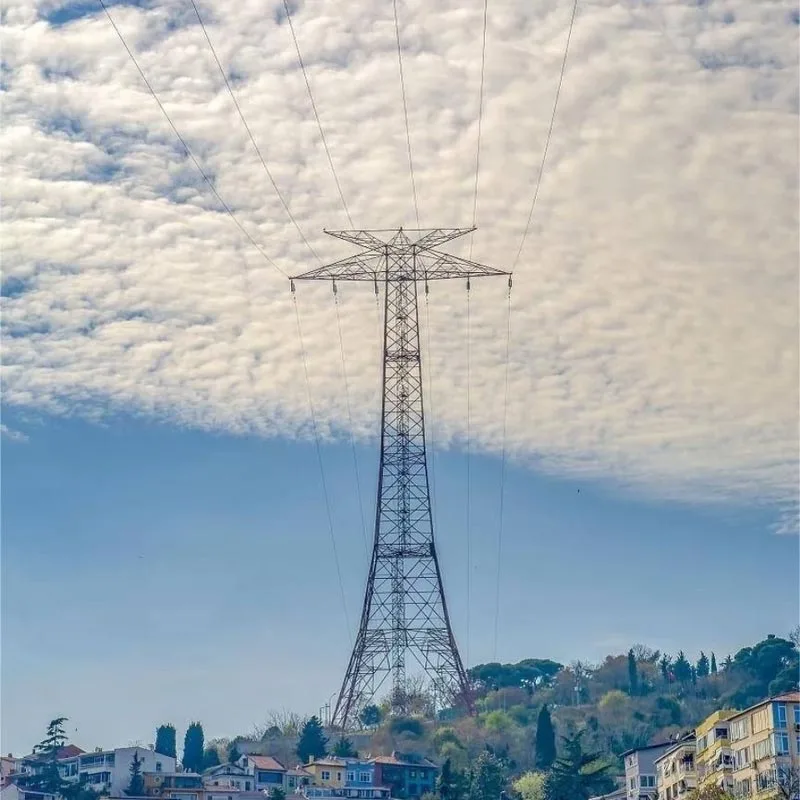
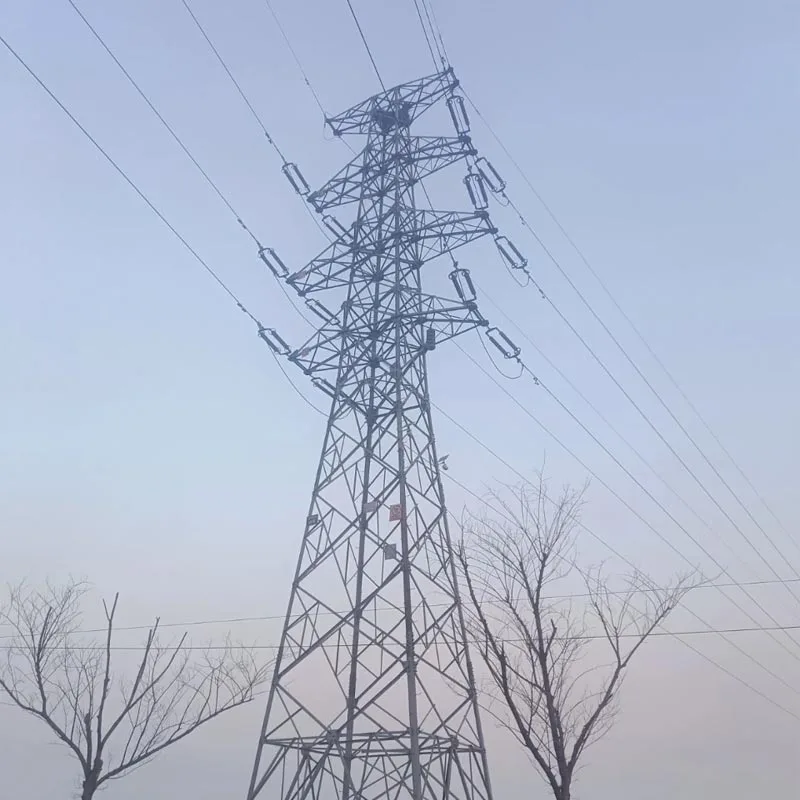
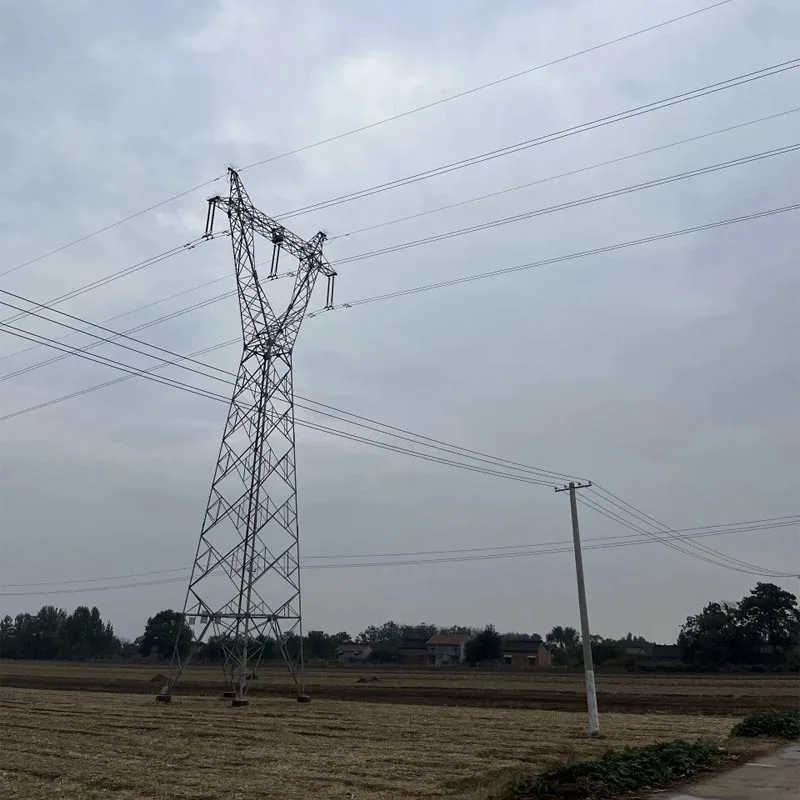
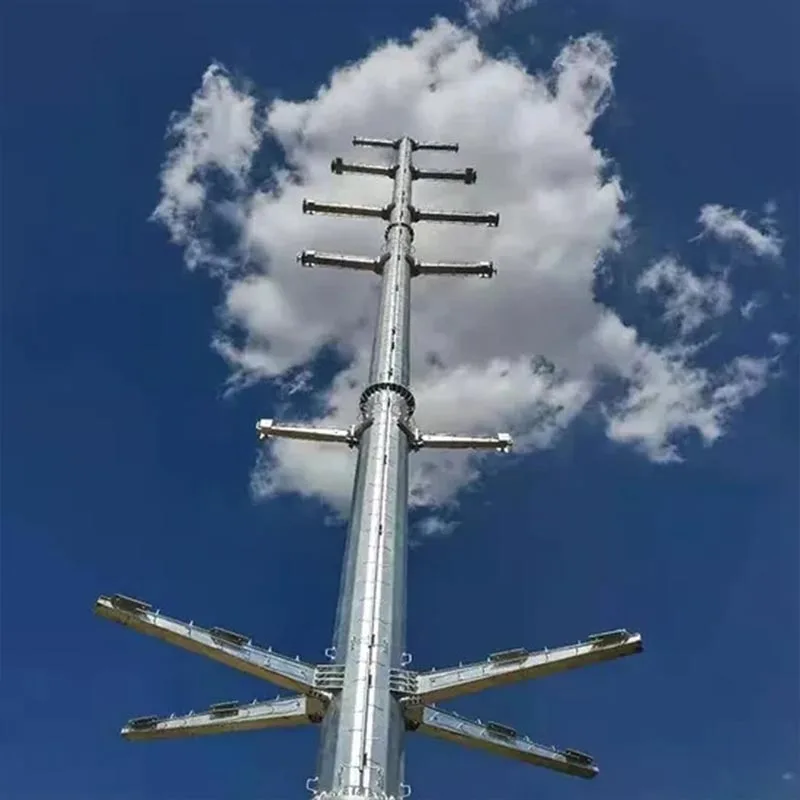
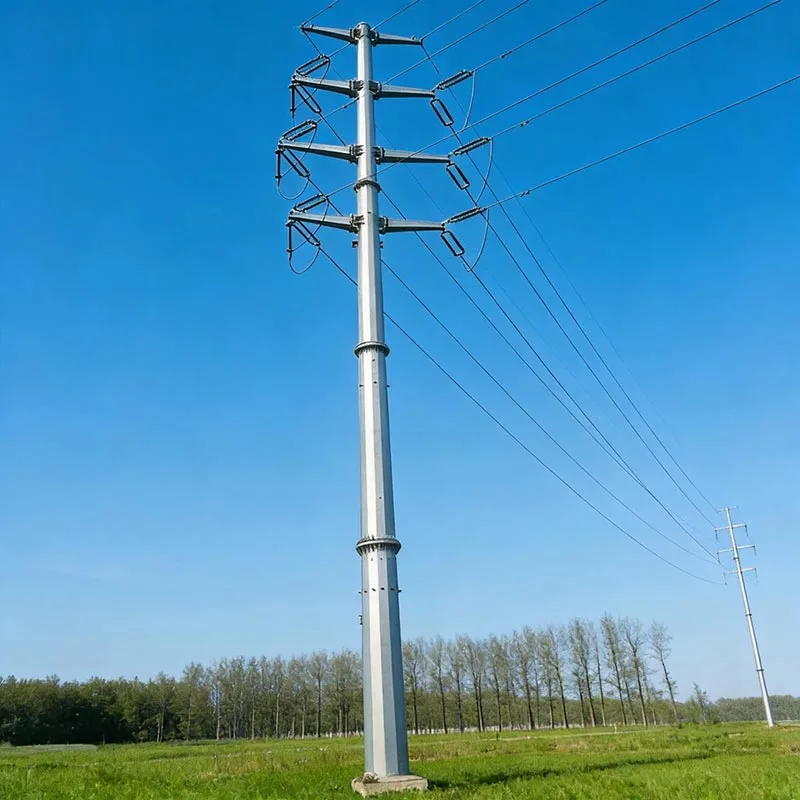
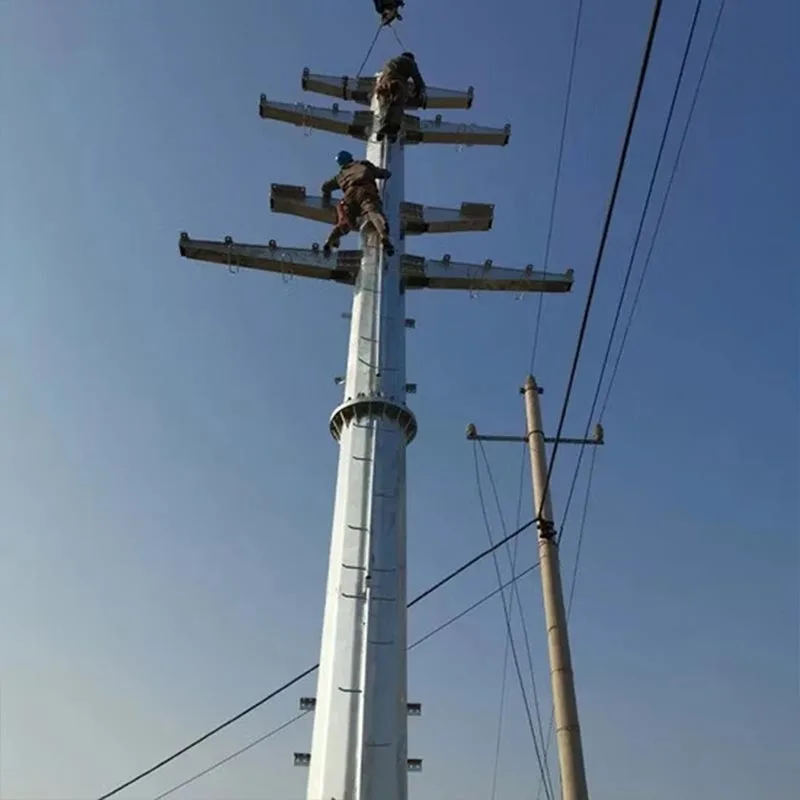
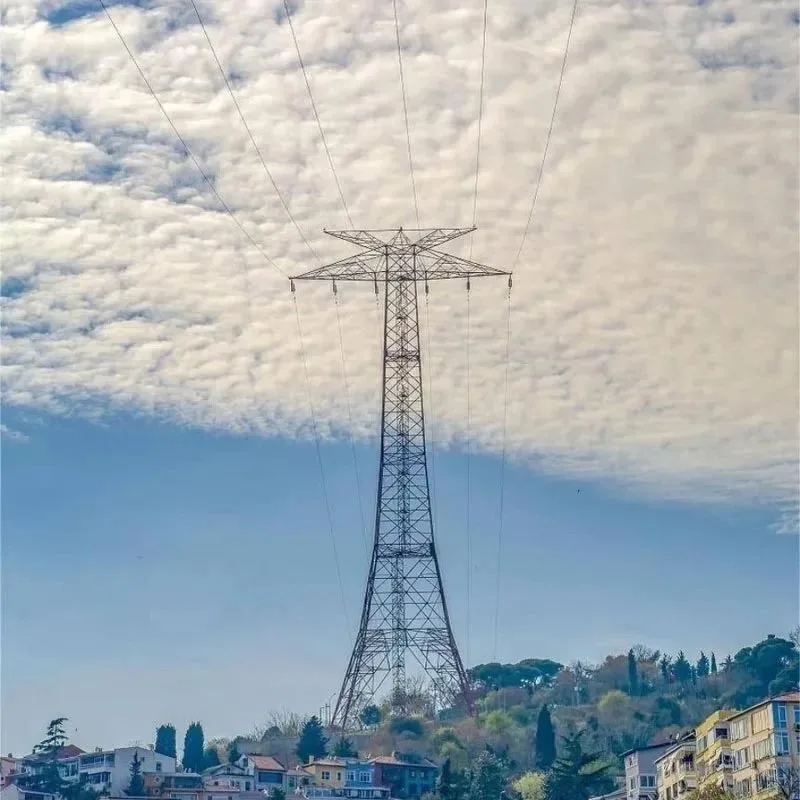
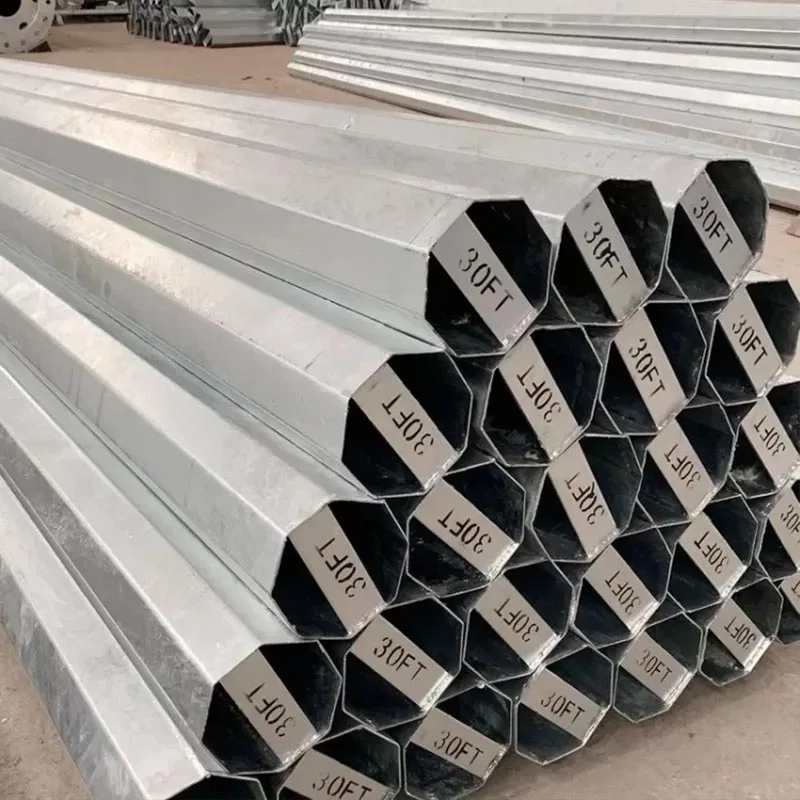
High Voltage Steel Pipe Pole
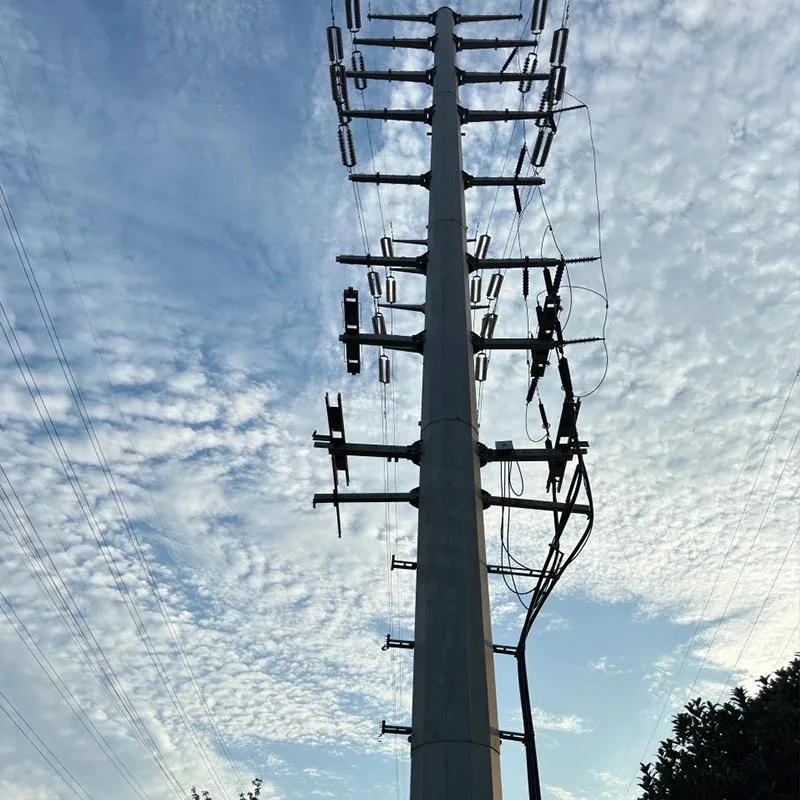
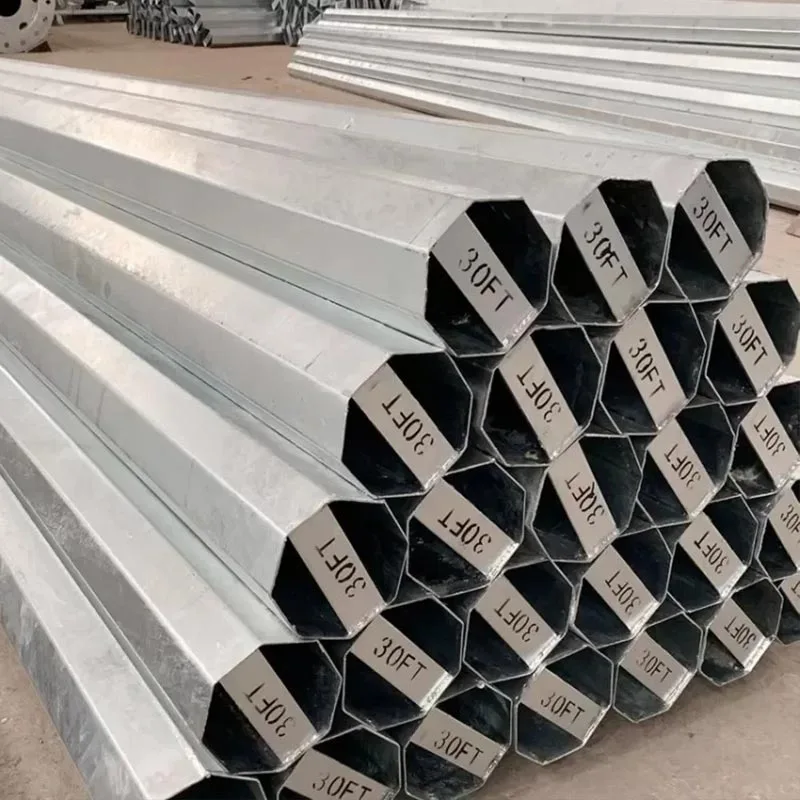
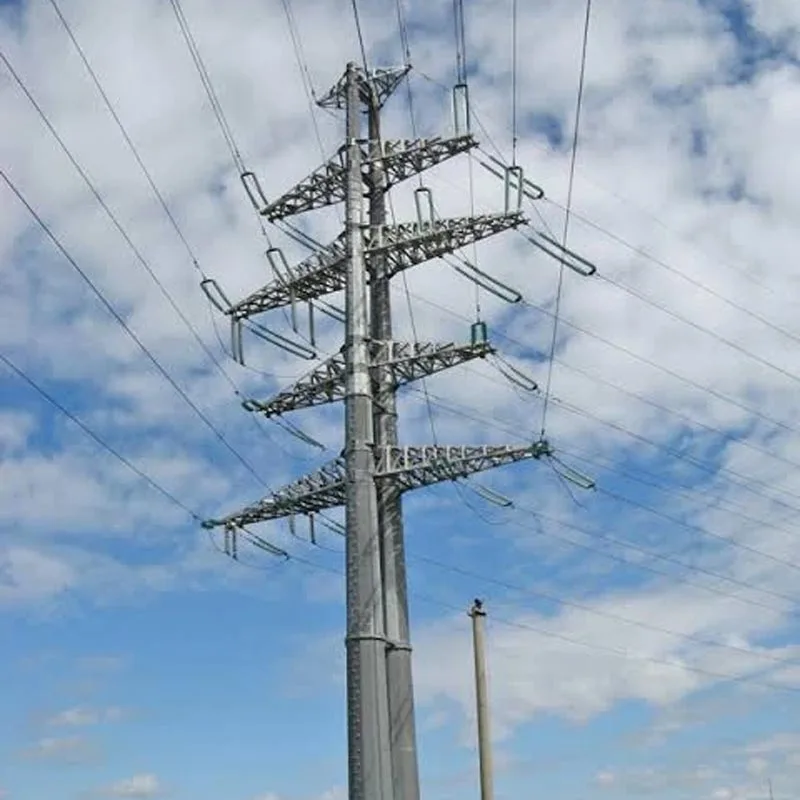
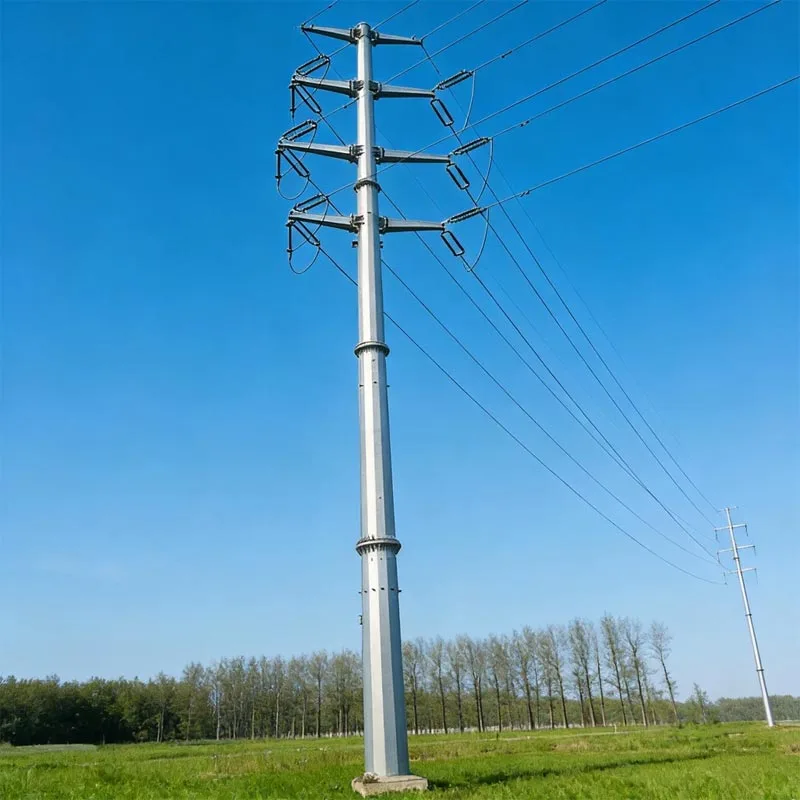
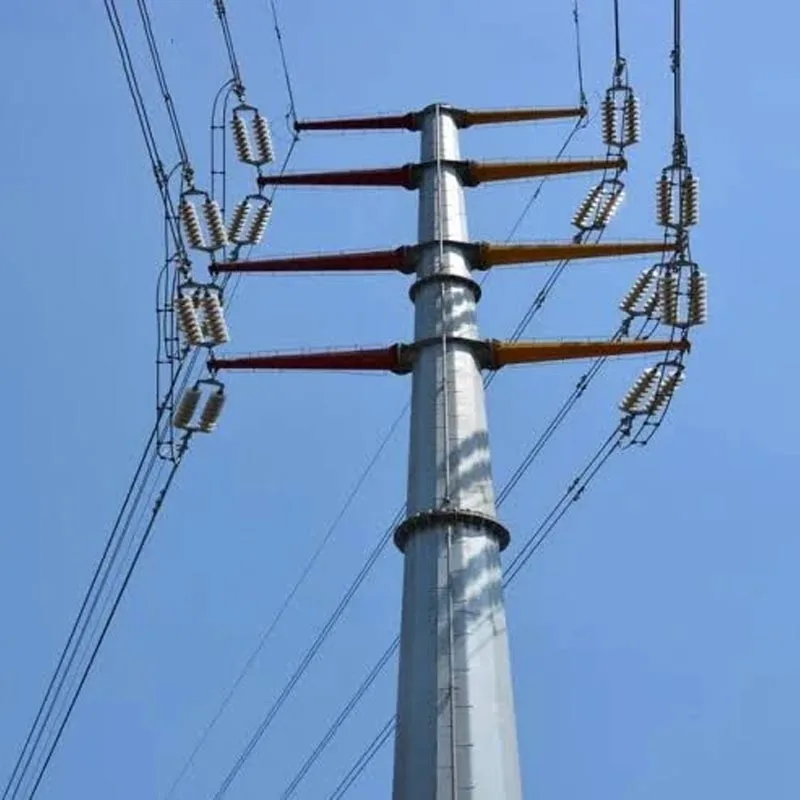
High Voltage Steel Pipe Pole serves as robust, long-lasting infrastructure for overhead high-voltage power transmission and distribution networks, acting as an advanced alternative to outdated concrete and wooden utility poles. Fabricated from premium Q235 and Q355 structural steel, this pole adopts polygonal or seamless tubular structures processed via full hot-dip galvanizing for superior anti-corrosion performance, delivering a standardized 50-year service lifespan. Its narrow footprint minimizes land occupation, while split modular assembly drastically cuts on-site construction cycles. Optimized to withstand intense typhoons and seismic shocks, the product adapts seamlessly to urban downtowns, remote countryside and saltwater coastal regions. Compatible with 10kV to 220kV overhead power circuits, it reliably supports transmission cables and matched hardware with minimal recurring maintenance and outstanding operational stability
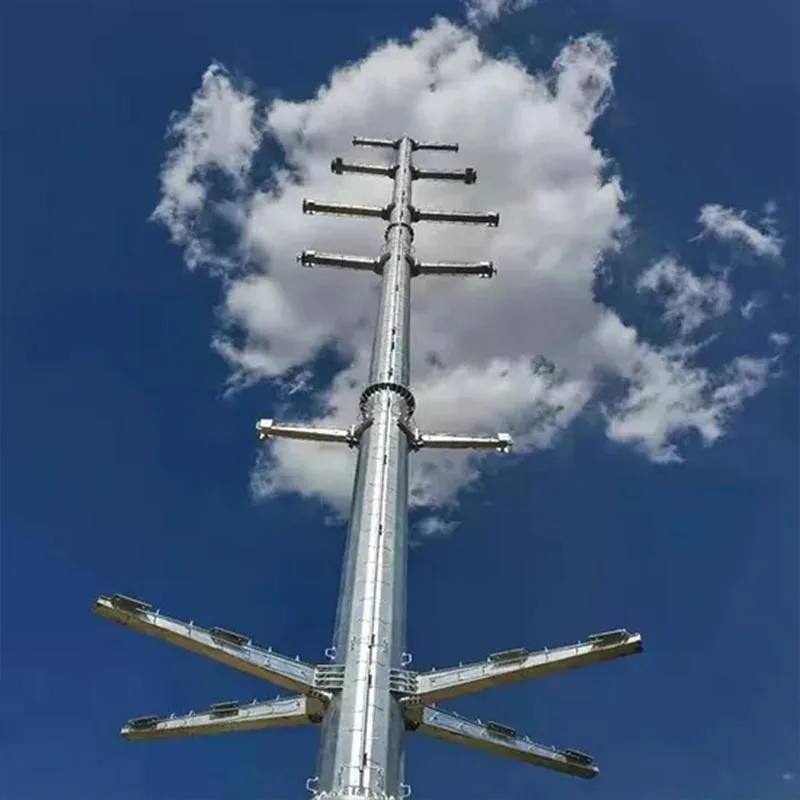
High Voltage Steel Pipe Poles are deployed across a wide spectrum of power engineering projects for high-voltage line erection. Their slender, streamlined outline conserves urban space and preserves orderly city aesthetics, making them the primary selection for urban road corridors, residential compounds and commercial business districts. For hilly terrain, farmlands and rural villages, the lightweight modular structure simplifies hoisting and positioning, accommodating uneven and complicated ground conditions effortlessly.
Other mainstream application environments include coastal industrial zones, manufacturing parks and highway overhead power lines. The robust galvanized anti-rust coating combats salt fog erosion and powerful gusts, standing up to harsh marine and windy weather conditions. Covering 10kV to 220kV voltage grades, these poles cater to municipal public power grids, factory internal high-voltage power supply systems and roadside overhead transmission lines, sustaining steady long-term power delivery.
Critical Installation Specifications & Precautions
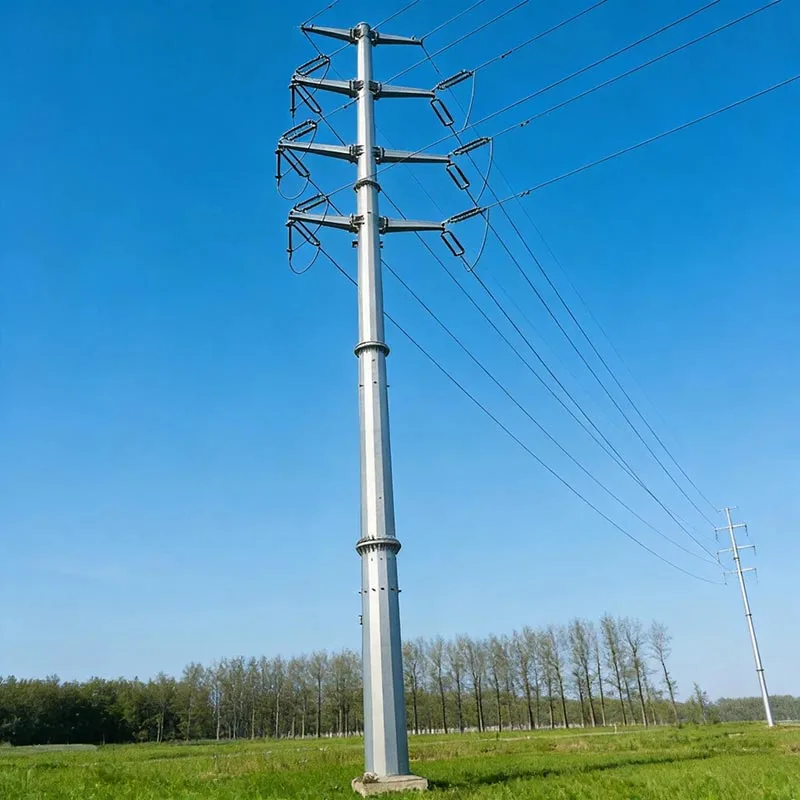
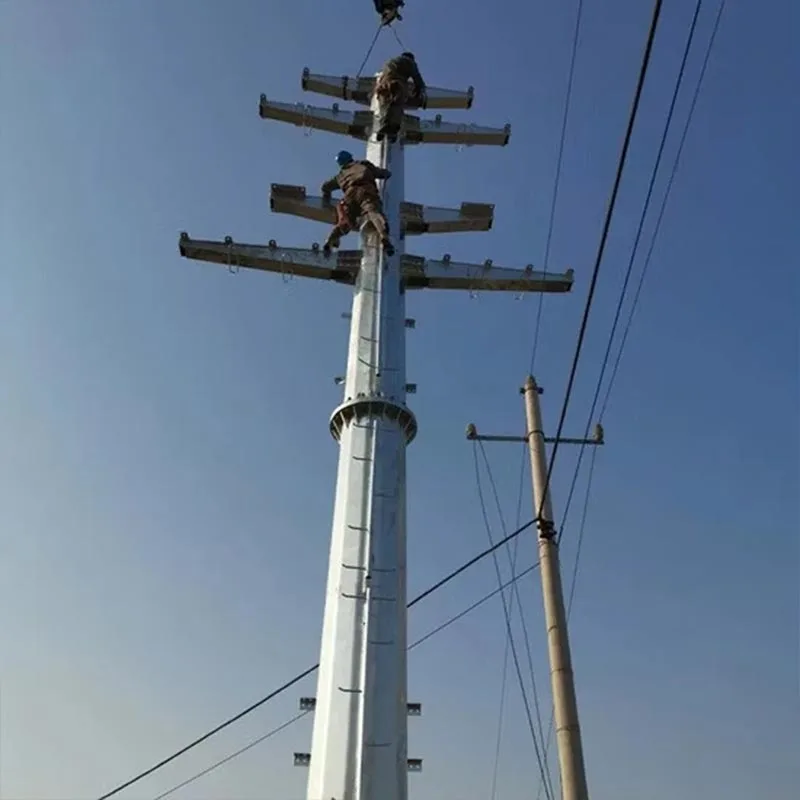
Multiple standardized protocols must be strictly observed throughout the erection of High Voltage Steel Pipe Poles.
1.Pre-construction inspection: Fully examine pole bodies, galvanized outer coatings and all matching accessories to identify surface cracks, coating peeling or component defects before construction commences.
2.Foundation preparation: Select solid, load-bearing ground strata; excavate foundation pits fully compliant with engineering drawing dimensions to guarantee stable bearing capacity for the pole base.
3.Erection alignment: Keep the pole perfectly vertical during lifting, and calibrate horizontal positioning to match design coordinates accurately.
4.Fastener tightening: Secure all connecting bolts, clamps and metal fittings with specified torque to eliminate loose connections.
5.Safety clearance control: Maintain regulated safe separation distances between poles, surrounding buildings, tree canopies and vehicle traffic lanes.
6.On-site safety management: All construction staff must wear full protective work gear and comply with high-voltage operation safety codes to avoid electric shock hazards.
7.Post-installation acceptance: Complete a full inspection of pole verticality, intact anti-corrosion coating and all joint connections; archive all construction records for future maintenance reference.
8.Weather & live-line restrictions: Schedule construction during mild weather; suspend all hoisting and installation work during heavy rainfall, strong gales or thunderstorms. Maintain mandatory safe separation from energized power lines at all times. Assign certified professional constructors and full-time site supervisors to standardize every construction step and secure decades of safe pole operation.
Core Routine Maintenance Guidelines
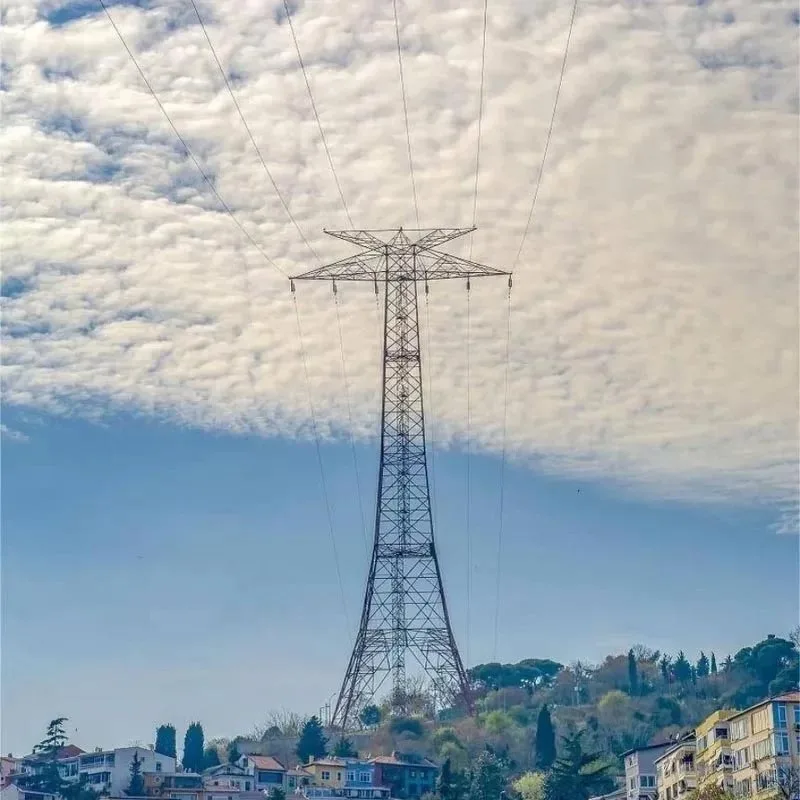
Scheduled regular maintenance is vital to extend the operational lifespan of High Voltage Steel Pipe Poles.
1.Anti-corrosion layer inspection: Periodically check the galvanized outer surface for rust spots, abrasion marks or coating flaking; repair compromised anti-rust layers promptly with dedicated protective coating materials.
2.Hardware tightness inspection: Audit all connecting bolts, pole joints and auxiliary fittings, retightening loose fasteners and replacing aging, damaged hardware components in a timely manner.
3.Structural stability check: Measure pole vertical deflection and assess foundation firmness, with enhanced inspections following storms, flash floods or geological disturbances.
4.Obstacle clearance: Trim overgrown surrounding vegetation, tree branches and debris to maintain required electrical safety clearance around pole bodies.
5.Risk filing & elimination: Document all inspection results comprehensively and resolve discovered structural or electrical hidden dangers immediately. For coastal, humid and high-wind locations, increase inspection frequency due to accelerated corrosion risks.
6.Electrical accessory inspection: Check mounted power cables, insulators and metal hardware for aging, cracking or displacement; clear accumulated dirt and bird nests on pole surfaces to prevent short-circuit faults.
7.Structural safety assessment: Regularly test the anchoring components’ fastening strength; conduct professional load-bearing capacity evaluation if any pole deformation is detected. Establish complete maintenance archives for lifecycle tracking, and fully replace severely deformed or corroded poles to safeguard grid stable operation.
FAQ for High Voltage Steel Pipe Pole
1 What voltage grades can these high-voltage poles support?
They fit overhead power transmission circuits ranging from 10kV to 220kV, covering conventional distribution networks and medium & high voltage transmission engineering projects.
2 What is the standard service life of the poles?
With full hot-dip galvanized anti-corrosion treatment, the poles achieve a 50-year design service life under conventional outdoor operating environments.
3 Are the poles suitable for seaside and rainy humid regions?
Absolutely. The heavy-duty galvanized barrier effectively blocks salt mist, moisture and oxidative rust formation. For coastal areas with severe corrosion conditions, we recommend shortening maintenance intervals and carrying out more frequent routine inspections.
4 Is the erection process complicated?
The poles adopt split modular construction design. They feature low overall weight, convenient transportation and straightforward on-site assembly, requiring fewer construction personnel and shorter project periods.
5 How to handle surface scratches generated during transportation or service?
Minor surface abrasions can be restored with special anti-rust touch-up paint. Deep, penetrating coating damage requires professional anti-corrosion repair treatment to stop rust from spreading across the steel substrate.
6 What is the recommended maintenance cycle?
Poles deployed in inland general areas require quarterly full inspections. Coastal, mountainous and wind-prone regions demand monthly inspections to discover and resolve potential safety hazards early.
Send Inquiry
Contact Info
-
Address
No. 46 Shandong Road, Beiguan Industrial Park, Jiaobei Subdistrict, Jiaozhou City, Qingdao, Shandong Province, China
-
Tel
-
Email
Anbang is a professional manufacturer and supplier in China. Our factory provides steel pipe tower, signal tower, single arm traffic pole, etc. If you are interested in our products, you can inquire now, and we will get back to you promptly.


News Recommendations